Chocolate Pairing
Last updated: 28 Jan 2026
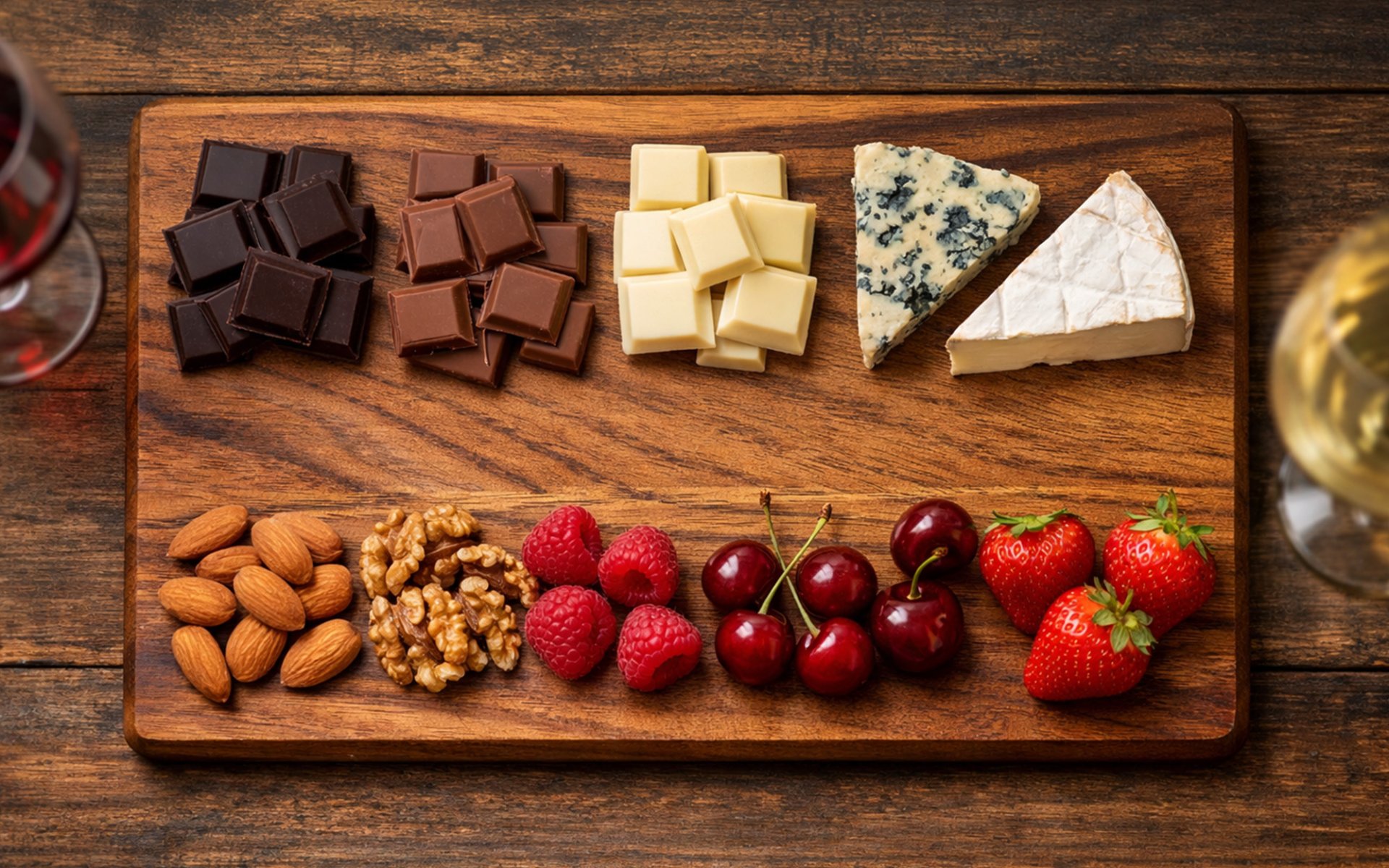
Chocolate is far more than a sweet treat that delivers pleasure and comfort. It is a remarkably complex ingredient, offering multiple layers of aroma, flavor, and texture. Thanks to these qualities, chocolate lends itself beautifully to pairing with a wide range of foods and beverages.
Mole Sauce and Chocolate in Savory Cuisine
One of the most iconic examples is mole sauce, a traditional Mexican and Latin American preparation that blends dark chocolate with dried chilies and spices. In this context, chocolate acts as a unifying element, harmonizing heat, spice, and richness into a deeply layered and captivating flavor profile.
Understanding the Fundamentals of Chocolate
Before exploring the art of pairing, it is essential to understand the fundamentals of chocolate itself. Chocolate is made from cocoa beans cultivated in diverse regions around the world, including Africa, South America, and Southeast Asia. Factors such as cocoa variety, climate, terroir, fermentation, roasting, and production techniques all play a crucial role in shaping chocolate’s unique character.Main Categories of Chocolate
In general, chocolate can be classified into three main categories:- Dark Chocolate: Contains a high percentage of cocoa (typically between 50% and 90%), offering deep bitterness and complex flavors.
- Milk Chocolate: Blended with milk and sugar, resulting in a softer, creamier texture and a sweet, mellow profile.
- White Chocolate: Made from cocoa butter rather than cocoa solids, delivering a rich, buttery sweetness with delicate vanilla notes.
Principles of Successful Chocolate Pairing
Successful chocolate pairing requires careful consideration of intensity, sweetness, and flavor structure. The goal is to allow each element to complement one another without overpowering or masking their individual characteristics.Chocolate Pairing with Wine
Wine and chocolate are among the most celebrated pairings worldwide, as they share similar chemical components—particularly flavanols, antioxidant compounds found in both cocoa beans and grapes. These compounds contribute to layered aromas and complex flavors.Challenges in Pairing Chocolate and Wine
However, pairing wine and chocolate requires precision. Both can be high in tannins, and an improper match may result in excessive bitterness or astringency.Dark Chocolate and Structured Wines
Dark Chocolate, with its intense bitterness and depth, pairs best with structured wines that offer balance and natural sweetness, such as Port-style red wines, Vin Santo del Chianti, Pedro Ximénez, and Chinato. These wines often feature notes of ripe fruit, spice, or residual sweetness that soften and elevate the bitterness of dark chocolate.Wines to Avoid with Dark Chocolate
On the other hand, very dry, highly tannic red wines—such as Cabernet Sauvignon—are generally not ideal for pairing with high-cocoa dark chocolate (85% or higher), as tannins from both elements may clash and overwhelm the palate.Milk Chocolate and Soft, Sweet Wines
Milk Chocolate, known for its sweetness and creamy mouthfeel, pairs well with wines of similar softness and sweetness, such as Merlot, Moscato, Brachetto d’Acqui, Recioto della Valpolicella, Late Harvest Riesling, Ruby Port, as well as French dessert wines like Banyuls or Maury. These wines enhance the chocolate’s smoothness while adding layers of ripe fruit flavor.White Chocolate and Aromatic Wines
White Chocolate, rich in cocoa butter and gentle sweetness, works best with wines that are aromatic, fresh, and floral or fruit-forward. Suitable pairings include Pinot Noir, Brachetto d’Acqui, Ice Wine, Rosé Port, and Moscato d’Asti. Notes of peach, rose, or light stone fruits complement white chocolate’s creamy character beautifully.Chocolate Pairing with Cheese
Although chocolate and cheese may seem worlds apart, when paired thoughtfully they can create an exceptionally refined and memorable tasting experience.Dark Chocolate with Aged and Blue Cheeses
Dark Chocolate pairs well with aged, hard cheeses such as Parmigiano Reggiano and aged Gouda, as well as blue cheeses like Roquefort or Gorgonzola. The saltiness, umami, and nutty notes developed through aging help soften and balance dark chocolate’s bitterness.Milk Chocolate with Soft Cheeses
Milk Chocolate harmonizes with soft cheeses such as Brie or Camembert. Their creamy texture and mild flavor enhance the gentle sweetness of milk chocolate.White Chocolate with Delicate Cheeses
White Chocolate pairs elegantly with soft, delicate cheeses like Camembert or Ricotta. The buttery sweetness of white chocolate complements the smooth texture of the cheese, while the cheese’s subtle flavor prevents the sweetness from becoming overpowering.Chocolate Pairing with Fruit
Fruit is one of chocolate’s most classic companions. The natural acidity and freshness of fruit help cut through chocolate’s richness and bring clarity to its flavor profile.Dark Chocolate with Tart Fruits
Dark Chocolate pairs especially well with tart fruits such as raspberries, cherries, strawberries, and oranges, where acidity balances bitterness and enhances depth.Milk Chocolate with Sweet Fruits
Milk Chocolate matches beautifully with sweeter fruits like bananas, mangoes, or pears, whose natural sweetness highlights milk chocolate’s creamy texture.Chocolate Pairing with Savory Dishes
Although surprising to some, chocolate—particularly dark chocolate—can be an exceptional companion to savory foods. It is often incorporated into sauces served with meat, where high-cocoa chocolate adds depth, richness, and complexity while helping balance fatty elements.Mole Sauce and Chocolate in Savory Cuisine
One of the most iconic examples is mole sauce, a traditional Mexican and Latin American preparation that blends dark chocolate with dried chilies and spices. In this context, chocolate acts as a unifying element, harmonizing heat, spice, and richness into a deeply layered and captivating flavor profile.
Chocolate as a Culinary Flavor Enhancer
Using chocolate in savory cuisine highlights its potential as a culinary flavor enhancer, not merely a dessert ingredient. It demonstrates how chocolate can elevate dishes with depth, balance, and a distinctive sense of character. Tags :
Related Content