Ancient Grains Comeback
Last updated: 5 Mar 2026
Changing Consumer Perspectives on Food and Sustainability
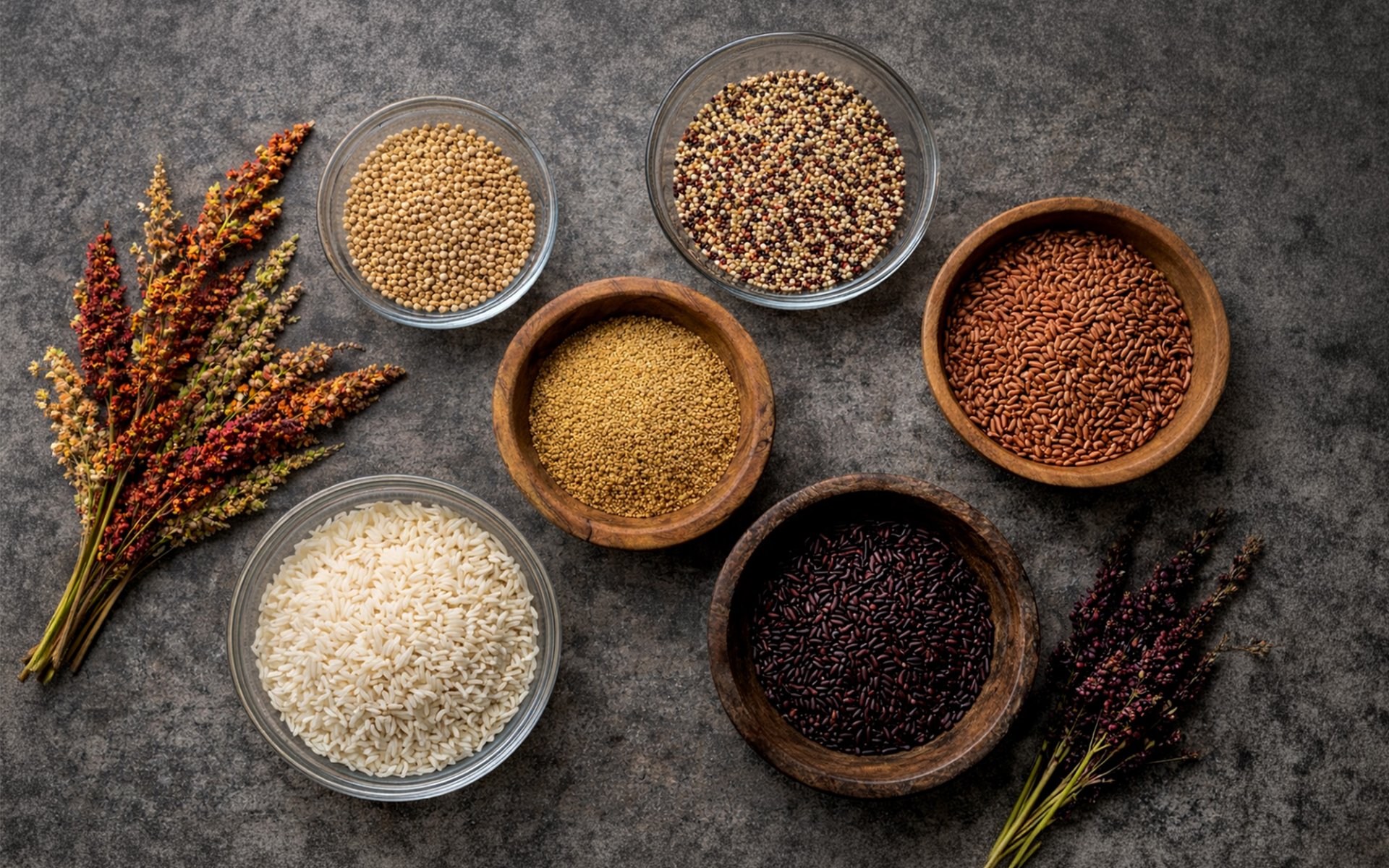
In recent years, many consumers have become increasingly attentive to nutritional value, food system sustainability, and the origins of ingredients. This shift reflects a broader transformation in consumption behavior, with people placing greater emphasis on health, environmental responsibility, and overall food quality.One trend that has gained significant attention in recent years is the resurgence of “ancient grains.” Ancient grains refer to cereals and seeds that have been cultivated for thousands of years while largely retaining their original genetic structure, without undergoing extensive modification through modern industrial breeding.
Ancient Grains and Their Historical Role in Human Diets
Examples of ancient grains include quinoa, amaranth, spelt, farro, sorghum, and ancient varieties of barley. These grains were once staple foods in many ancient civilizations around the world before being replaced by modern commercial crops such as improved wheat varieties and hybrid corn.Today, however, these ancient grains are experiencing a revival. Over the past decade, numerous studies have demonstrated that many ancient grains possess superior nutritional profiles compared with some modern grain varieties, particularly in terms of protein content, dietary fiber, and essential minerals.
For instance, research published in the Journal of Cereal Science indicates that quinoa contains all nine essential amino acids, a characteristic that is relatively rare among plant-based foods. As a result, quinoa is often classified as a complete protein source, offering nutritional qualities comparable to animal-based protein.
In addition, quinoa contains significantly higher levels of important minerals such as magnesium, iron, and zinc compared with conventional wheat.
Indigenous Thai Grains and Their Nutritional Significance
Although the term “ancient grains” is often associated with grains from other regions of the world, Thailand itself also possesses indigenous grains with similar nutritional and agricultural significance.Many traditional Thai rice varieties — such as black sticky rice, traditional jasmine rice strains, and riceberry rice — share key characteristics of ancient grains. These include a long history of cultivation, high genetic diversity, and a rich concentration of nutrients beneficial to human health.
Why Ancient Grains Are Regaining Popularity
1. Growing Demand for Healthy Foods
The resurgence of ancient grains is not coincidental. It is closely tied to evolving perspectives on food, health, and sustainability in modern society.Many ancient grains offer high nutritional value, typically containing substantial amounts of protein, dietary fiber, vitamins, and essential minerals. They also tend to have relatively low glycemic index (GI) values, meaning they cause blood sugar levels to rise gradually rather than rapidly.
For this reason, ancient grains are considered an excellent dietary option for individuals seeking to regulate blood sugar levels, manage body weight, or support long-term health.
2. Food Sensitivities and Gluten-Free Diets
Some ancient grains — including quinoa, amaranth, and teff — are naturally gluten-free, making them suitable for individuals with celiac disease, a condition in which the body cannot tolerate gluten proteins found in certain grains such as wheat, barley, and rye.As awareness of gluten intolerance and gluten-free diets has increased globally, these grains have gained popularity as alternative staple foods.
3. Agricultural Sustainability
Many ancient grains are highly resilient and capable of thriving under challenging environmental conditions, such as drought-prone areas, nutrient-poor soils, and high temperatures. This resilience makes them particularly valuable for developing sustainable agricultural systems in an era increasingly affected by climate change.For example, sorghum and millet are crops known for their exceptional drought tolerance. They can grow in regions with limited water availability and poor soil fertility, making them promising crops for future agriculture — especially in areas experiencing frequent droughts and climate instability.
4. Restoration of Biodiversity
Modern agricultural systems often rely on only a small number of crop species. The reintroduction of ancient grains therefore plays an important role in enhancing agricultural biodiversity.Recognizing their significance, the United Nations declared 2023 the “International Year of Millets”, highlighting the value and potential of ancient grain crops in strengthening global food security.
Ancient Grains and the Future of the Global Food System
Many food and nutrition experts emphasize that the resurgence of ancient grains does not represent a return to the past. Rather, it reflects the integration of traditional agricultural wisdom with modern scientific knowledge to create food systems that are more diverse, resilient, and adaptable to future challenges.In a world increasingly confronted with chronic health conditions, environmental pressures, and climate change, ancient grains are gaining renewed attention as valuable dietary alternatives.
The current global food system relies heavily on only a few staple crops — such as rice, wheat, and corn — which may leave it vulnerable to risks such as crop diseases, climate fluctuations, and market volatility.
Promoting the cultivation and consumption of a wider variety of grains can therefore serve as a form of “food system risk insurance” for humanity in the long term.
Ultimately, the simplicity of foods derived from nature may represent one of the most sustainable pathways for the health of both people and the planet.
Tags :
Related Content



Discover Multimalt Dinner Roll A Nutritious Bread Roll with Multigrains and Malt