Easter Egg Chocolate
Last updated: 25 Mar 2026
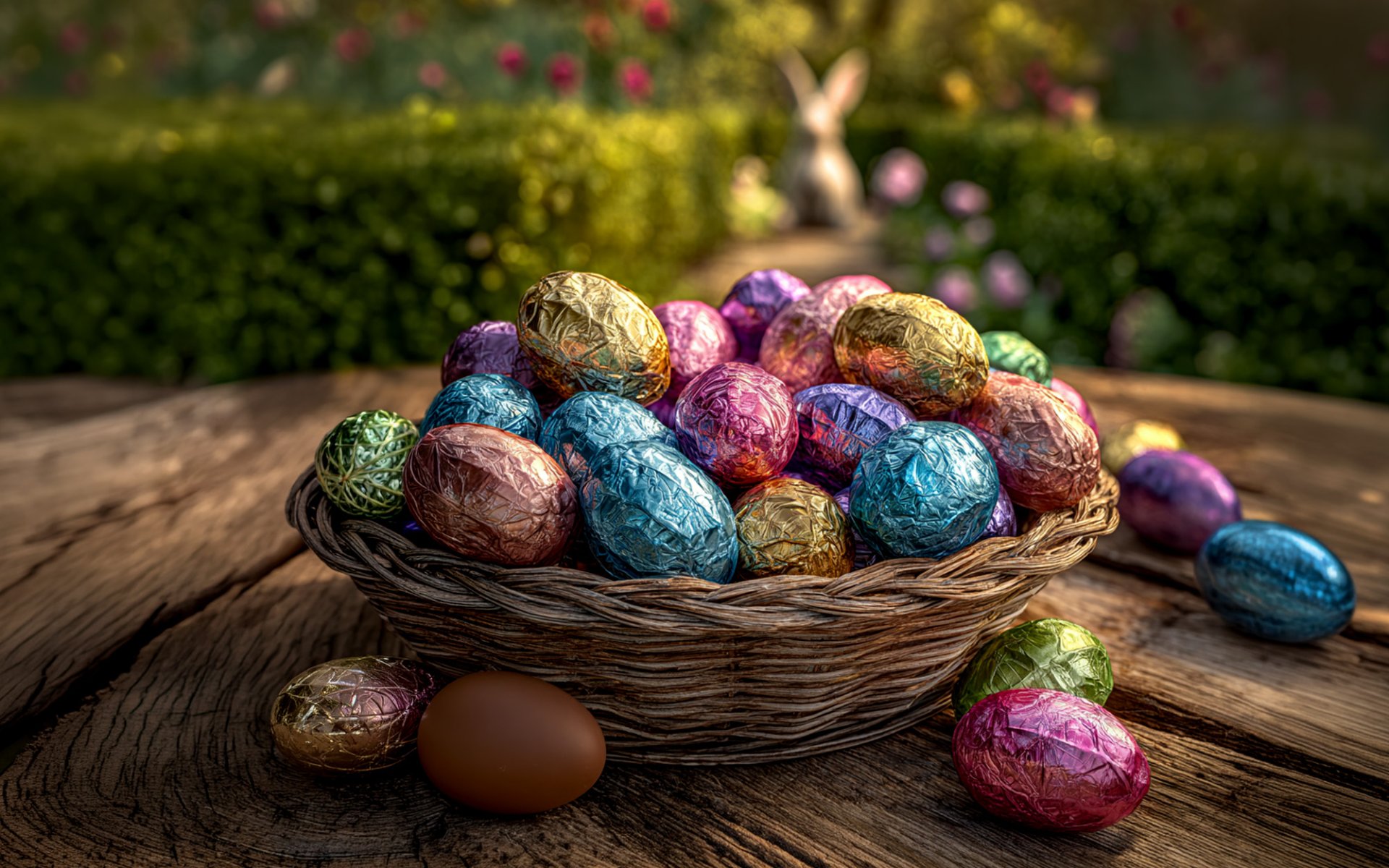
Easter Atmosphere and Seasonal Imagery
As the cold winds of winter fade away and the warm sunlight of spring begins to shine, the joyful atmosphere of the Easter season returns once again. Familiar images of this celebration often include children running around in search of colorful eggs, or supermarket shelves filled with chocolate Easter eggs wrapped in vibrant foil.Religious Importance of Easter
Easter is one of the most important festivals in Christianity, commemorating the resurrection of Jesus Christ after His crucifixion. The celebration typically takes place during spring in the Northern Hemisphere—a season that symbolizes renewal, the blooming of nature, and the return of life.Ancient Symbolism of Eggs
Long before eggs became associated with Easter, they had already held special meaning in many cultures. Ancient civilizations such as the Persians, Egyptians, Greeks, and Romans exchanged eggs as gifts during the beginning of spring. Eggs were seen as symbols of birth, fertility, and new life, aligning perfectly with the renewal of nature after winter.Christian Interpretation of Egg Symbolism
As Christianity became more established in Europe, the symbolism of eggs took on deeper meaning. The hard shell of the egg was seen as representing the sealed tomb of Jesus Christ, while the emergence of a chick symbolized His resurrection—life emerging from death. Because of this, eggs became a powerful symbol of rebirth, hope, and the triumph of life over death, and remain an essential symbol of Easter to this day.Lent Tradition and Its Connection to Eggs
One of the key reasons eggs became closely associated with Easter lies in the tradition of Lent. For approximately 40 days before Easter, Christians observe a period of fasting and self-discipline, during which they abstain from certain foods, including meat, dairy products, and eggs.Egg Preservation and Decoration Tradition
However, while people refrained from eating eggs, hens continued to lay them, leading to an accumulation of eggs. To preserve them, people boiled the eggs for longer storage. When Lent ended and Easter arrived, these stored eggs were eaten or shared with others. To make them more festive, people began decorating eggs by dyeing them in colors or painting patterns—an enduring tradition that continues across Europe today.Evolution of Easter Eggs into Gifts
During the 17th and 18th centuries, Easter eggs evolved further from simple food items into meaningful gifts. People began crafting decorative eggs from materials such as wood, metal, and glass, as well as creating sugar eggs, which became especially popular among the European upper class. One of the most famous examples is the “Fabergé Eggs” from Russia—exquisitely jeweled creations crafted by master artisans for the Russian royal family.Easter Eggs as Cultural and Artistic Symbols
These eggs were not merely gifts but works of art that reflected luxury, status, and exceptional craftsmanship. They demonstrate how Easter eggs evolved from religious symbols into cultural and artistic treasures of great historical significance.Pre-Chocolate Easter Gift Traditions
Before chocolate eggs became popular, during the early 19th century, common Easter gifts in England and Europe were artificial eggs made from papier-mâché or cardboard structures covered with satin, silk, or velvet. These decorative eggs were often adorned with ribbons and contained small surprises such as sweets, jewelry, or toys—early inspiration for the concept of hidden gifts inside eggs.Emergence of Chocolate Easter Eggs
The transition from traditional eggs to chocolate eggs began in the 19th century, when the chocolate industry started to develop rapidly in Europe. France and Germany are believed to be among the pioneers of chocolate egg production.Limitations of Early Chocolate Production
However, early chocolate eggs had limitations in both taste and texture, often being coarse and bitter due to the lack of advanced production techniques. A major breakthrough came when Dutch chemist Coenraad Johannes Van Houten invented a cocoa press that efficiently separated cocoa butter from cocoa beans.Chocolate Industry Revolution
This innovation revolutionized the chocolate industry, allowing manufacturers to remove excess cocoa fat and recombine it with cocoa solids and sugar in precise proportions. The result was smooth, flowing chocolate that could be poured into molds and hardened into refined shapes with a glossy finish. From this point on, chocolate eggs were continuously developed and eventually became one of the most recognizable symbols of Easter today.First Hollow Chocolate Egg Innovation
This innovation enabled the British company J.S. Fry & Sons to successfully create the first hollow chocolate Easter egg in the United Kingdom in 1873.Cadbury’s Role in Popularizing Chocolate Eggs
Just two years later, in 1875, their competitor Cadbury introduced its own chocolate Easter eggs. Cadbury used higher-quality cocoa, resulting in a smoother and richer taste, and combined this with exceptional marketing strategies. Their beautifully decorated chocolate eggs, wrapped in eye-catching foil, quickly gained popularity.Expansion of Chocolate Easter Market
In the early 20th century, Cadbury further expanded its success with the introduction of its classic milk chocolate, Cadbury Dairy Milk. The sweetness and creaminess of milk chocolate helped attract a wider audience, particularly children. This development transformed chocolate Easter eggs into a mainstream product that became an essential part of the Easter celebration.Easter Bunny and Cultural Traditions
In addition to eggs, the “Easter Bunny” is another important symbol of the holiday. Rabbits are known for their high reproductive rate, making them symbols of fertility and new life—much like eggs. In modern culture, it is believed that the Easter Bunny hides eggs for children to find in an activity known as the “Easter Egg Hunt,” which remains a popular tradition across many countries in Europe. Tags :
Related Content

Tracing the History of U.S. Beef Premium Quality Beef from the United States, Renowned Worldwide

Getting to Know Pigs in Blankets One of the Most Popular Christmas Dishes in the United Kingdom