The Bitter Truth : Why Bitter Vegetables Are Key to Liver Detoxification
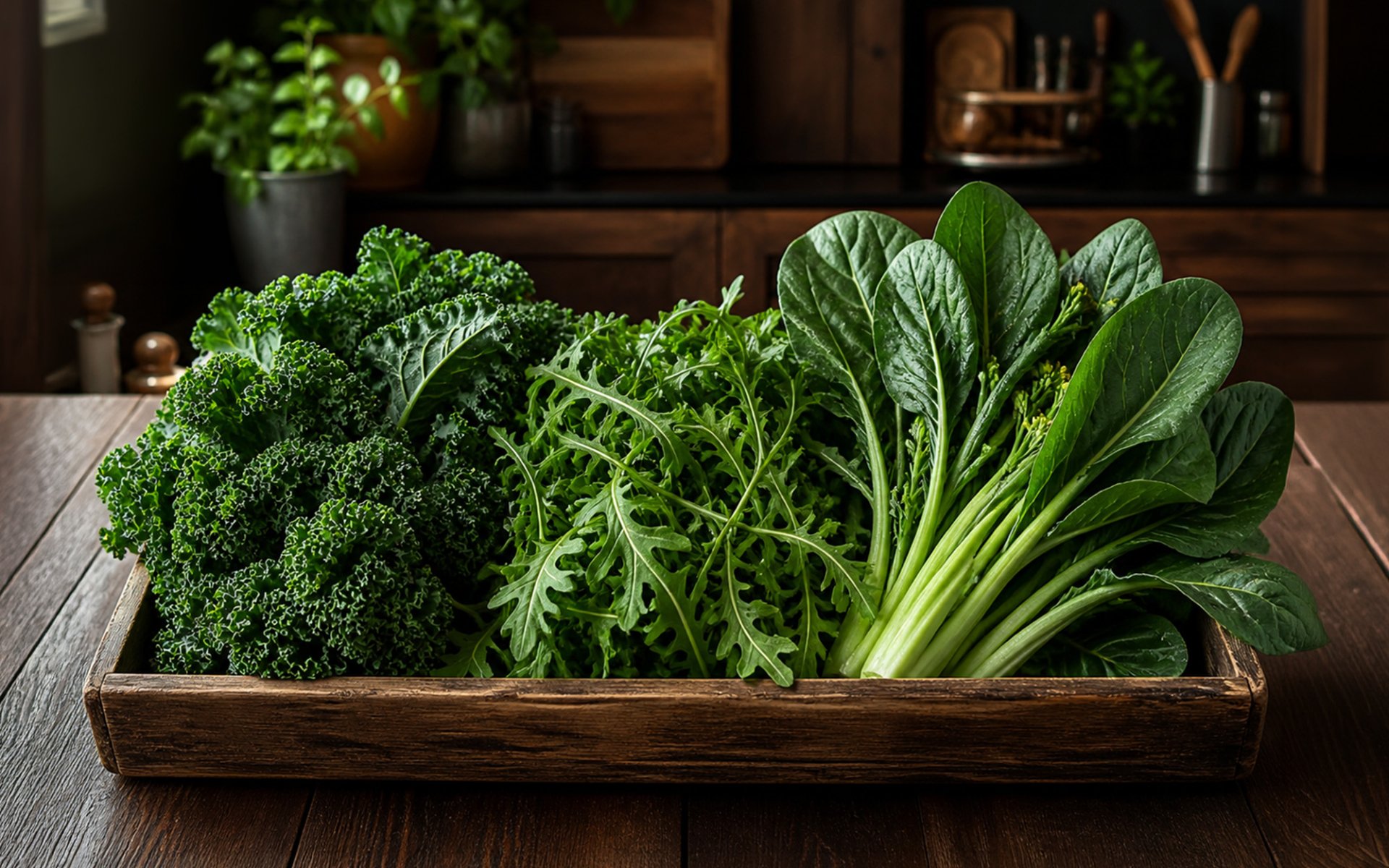
The Liver as the Body’s Detoxification System
The liver can be compared to the body’s primary “detoxification factory.” It is responsible for processing toxins, alcohol, medications, and metabolic waste. The liver’s detoxification process relies on the coordinated function of enzymes and antioxidants to convert toxins into water-soluble forms that can be efficiently excreted through urine or bile.Impact of Lifestyle on Liver Function
When the liver is required to work continuously due to factors such as poor dietary habits, exposure to pollution, or stress, its efficiency in eliminating toxins may decline. In this context, bitter green vegetables rich in specific bioactive compounds play an important role in supporting enzyme function, enhancing liver efficiency, and potentially reducing fat accumulation in the liver.Phytochemicals in Bitter Vegetables and Their Benefits
The bitterness in vegetables does not occur by chance but results from various phytochemicals such as glucosinolates, flavonoids, terpenes, and alkaloids. These compounds possess antioxidant properties, reduce inflammation, stimulate detoxification enzymes in the liver, and protect cells from damage.Brassicaceae Vegetables and Liver Protection
For example, kale and rocket belong to the Brassicaceae family and are high in glucosinolates. When these compounds are metabolized, they form isothiocyanates, which play an important role in cancer prevention and liver support.Mechanisms by Which Bitter Vegetables Support Liver Detoxification
Stimulating bile production: Bitter vegetables help stimulate bile secretion, which plays a crucial role in fat digestion and waste elimination. Increased bile production enhances the liver’s ability to eliminate toxins.
Enhancing detoxification enzyme activity: Compounds in bitter vegetables stimulate liver enzymes such as cytochrome P450 (Phase I) and glutathione-S-transferase (Phase II). These enzymes are essential for converting toxins into forms that the body can eliminate.
Increasing glutathione levels: Glutathione is a key antioxidant in the liver that protects cells from damage. Bitter vegetables help stimulate its production, directly improving detoxification efficiency.
Reducing liver inflammation: Inflammation is a major factor contributing to liver deterioration. Bitter vegetables contain anti-inflammatory compounds that help reduce the risk of liver diseases such as fatty liver and hepatitis.
Examples of Bitter Vegetables for Liver Detoxification
Kale (curly kale) : Kale is one of the richest sources of glucosinolates among green vegetables, particularly glucoraphanin, a precursor of sulforaphane. Research has shown that extracts from Tuscan black kale have protective effects on the livers of experimental animals fed a high-fat diet, significantly restoring antioxidant enzyme levels and reducing serum lipid levels. Kale is also rich in vitamin K, vitamin C, and beta-carotene, which work together to reduce inflammation in liver cells.
Rocket (arugula) : Rocket, also known as arugula, contains various glucosinolates that, when broken down by the enzyme myrosinase, produce compounds such as erucin and phenethyl isothiocyanate. These compounds stimulate bile production, which is essential for fat digestion and the elimination of fat-soluble toxins. Many nutritionists recommend consuming rocket as a salad before meals, as it also stimulates the stomach and pancreas.
Dandelion greens : Dandelion leaves are rich in sesquiterpene lactones, active compounds responsible for their bitterness and their direct bile-stimulating effects. Research from traditional medicine and clinical studies indicates that dandelion leaves can dilate bile ducts, reduce fat accumulation in the liver, and provide hepatoprotective effects, particularly under inflammatory conditions. Today, dandelion leaf extracts are widely used in liver health supplements.
Broccoli sprouts : Although not intensely bitter, broccoli sprouts are highly significant as one of the most concentrated sources of sulforaphane, containing 10–100 times more glucoraphanin than mature broccoli. Studies have shown that regular consumption of broccoli sprouts can significantly increase liver enzyme activity.
In addition to the vegetables mentioned above, other bitter vegetables include kale, cauliflower, mustard greens, and chicory. These vegetables all contain compounds that support liver function.
How to Consume Bitter Vegetables for Maximum Benefits
- Chew thoroughly to release the enzyme myrosinase when plant cells are broken, increasing sulforaphane production up to threefold.
- Avoid prolonged boiling, as high heat destroys nutrients; instead, lightly steam, quickly stir-fry, or consume raw to preserve glucosinolates.
- Pair with healthy fats, as fat-soluble nutrients such as vitamin K in kale are better absorbed when consumed with olive oil.
Consume before meals, as bitter compounds stimulate bitter receptors on the tongue, triggering bile and digestive enzyme secretion. - Consume regularly, as liver detoxification is not a one-time process but a long-term habit.
- Eat a variety of vegetables, as different glucosinolates support different detoxification pathways.
Precautions
Although bitter vegetables are beneficial, caution should be exercised in certain cases:- Individuals with thyroid disorders should consume them in appropriate amounts.
- Those taking certain medications should consult a physician.
- Detoxification should not rely solely on diet but should be supported by overall health care practices.