Super Seeds
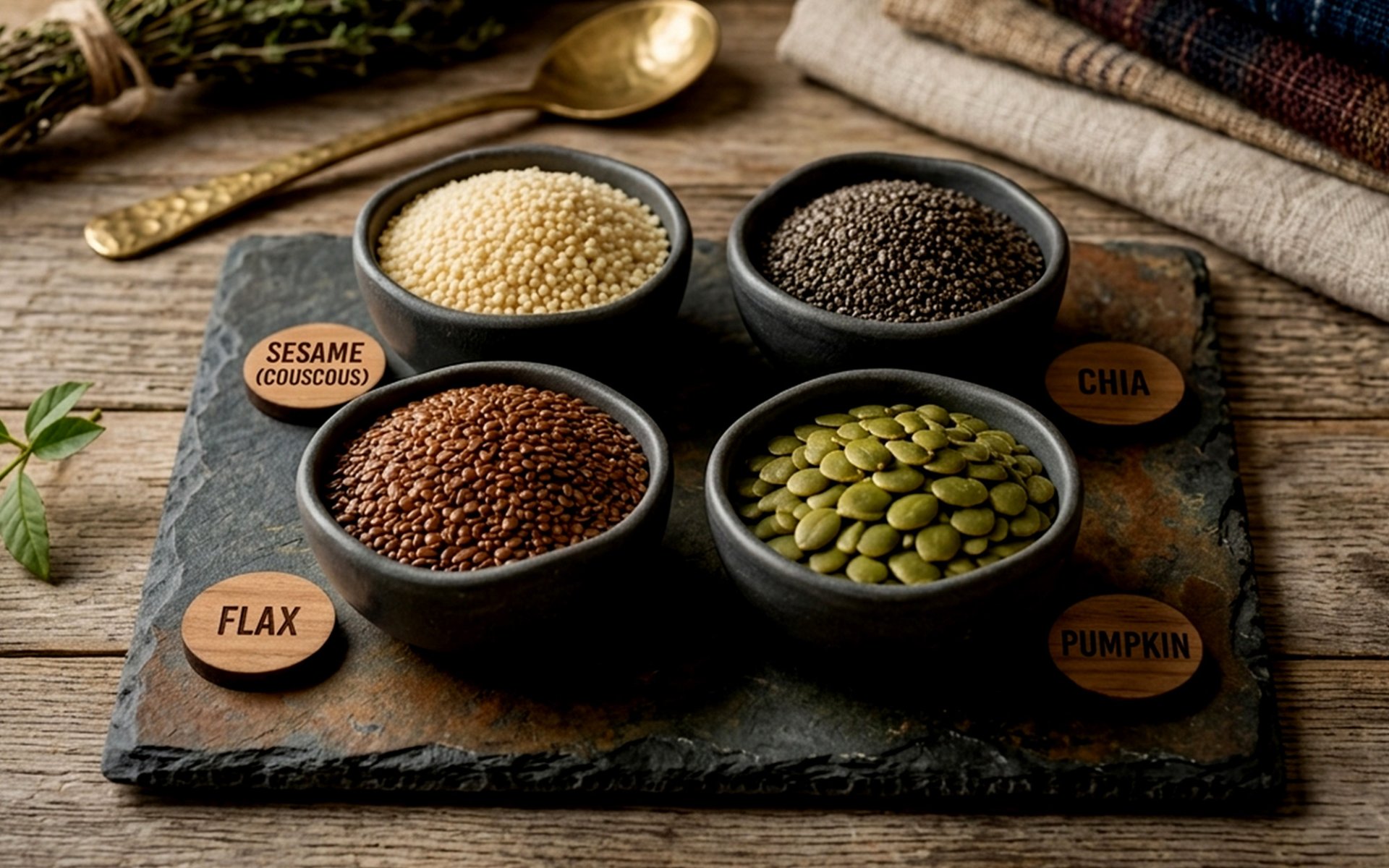
What distinguishes Super Seeds from ordinary seeds is the completeness of their nutritional profile, which includes macronutrients such as protein, healthy fats, and complex carbohydrates, as well as micronutrients like vitamins and minerals. In addition, they contain phytochemicals with antioxidant and anti-inflammatory properties that significantly contribute to overall health.
Consuming just a small handful of Super Seeds may provide nutritional value comparable to consuming a much larger quantity of fruits or vegetables. For this reason, nutritionists in many countries recommend incorporating Super Seeds into daily meals to enhance nutritional balance and promote overall well-being.
Popular Types of Super Seeds
Chia Seeds : Chia seeds originate from Mexico and Guatemala and have been consumed for over 5,000 years by the Aztec and Mayan civilizations. Today, they are globally recognized as one of the best plant-based sources of omega-3 fatty acids.
Chia seeds are also exceptionally high in dietary fiber. Consuming 2 tablespoons provides approximately 10–11 grams of fiber, most of which is soluble fiber. They are also rich in essential minerals for bone health, including calcium, phosphorus, and magnesium, which help strengthen and maintain bone mass. As such, chia seeds are a suitable option for individuals who do not consume cow’s milk or those seeking alternative sources of bone-supporting nutrients.
Flaxseeds : Flaxseeds are among the oldest cultivated plants in human history, believed to have originated in the eastern Mediterranean region. They have been used since ancient times in both the textile industry and as food.
What makes flaxseeds particularly unique is their exceptionally high content of lignans. Studies have reported that flaxseeds contain 75–800 times more lignans than other plant-based foods.
Lignans are a type of polyphenol with antioxidant properties and mild estrogen-like effects. Some research suggests that these compounds may help reduce the risk of certain cancers, particularly breast and prostate cancer.
The human body cannot digest whole flaxseed shells. If consumed whole, the seeds may pass through the digestive system without nutrient absorption. Therefore, flaxseeds should always be ground before consumption to ensure optimal nutrient uptake.
Pumpkin Seeds : Pumpkin seeds originate from the Americas, with archaeological evidence indicating cultivation for over 7,000 years. Native Americans have long used pumpkin seeds as both food and medicine. They are rich in minerals such as magnesium, zinc, iron, copper, and phosphorus.
Research published in Molecules (2022) reports that pumpkin seeds contain various bioactive compounds with anti-inflammatory and antioxidant properties and may have potential benefits in cancer prevention. Additionally, studies on phytosterols in pumpkin seeds suggest their potential to help lower blood cholesterol levels.
Sesame Seeds : Sesame seeds are one of the oldest cultivated crops, with evidence of cultivation in the Indian subcontinent and East Africa dating back more than 5,500 years. In Thai culture, sesame seeds are an important ingredient in a variety of dishes and desserts.
Their uniqueness lies in specific lignans such as sesamin and sesamolin. Research suggests these compounds may help reduce blood lipid levels and possess antioxidant properties associated with slowing cellular degeneration.
Sunflower Seeds : Sunflower seeds are rich in healthy fats and fat-soluble vitamins, which help protect cells from damage.
How to Consume Super Seeds for Maximum Benefits
Proper consumption of Super Seeds is essential for optimal nutrient absorption:
Chia seeds : Can be consumed whole or ground. When soaked in water, they form a gel that can be used in puddings or to thicken smoothies. Recommended intake is 1–2 tablespoons per day.
Flaxseeds : Should be ground before consumption for better nutrient absorption. Store in an airtight container in the refrigerator to prevent rancidity.
Pumpkin seeds : Commonly eaten as a snack. Light roasting at low temperatures helps preserve nutrients, or they can be sprinkled over soups and salads.
Sesame seeds : Often sprinkled on dishes or ground into tahini to enhance nutritional value. Light toasting helps improve aroma.
Precautions and Recommendations
Although Super Seeds offer numerous health benefits, there are some considerations consumers should be aware of:
Consumption quantity : Start with small amounts and gradually increase intake, as high fiber content may cause bloating or digestive discomfort in some individuals.
Food allergies : Individuals with a history of allergies should consult a physician or nutritionist before introducing new seeds into their diet.
Medications and specific conditions : Flaxseeds may influence hormone levels and interact with certain medications. Individuals taking anticoagulants should consult a physician before consumption.
Storage : Seeds with high fat content should be stored in a cool, dark place to prevent rancidity.