The Good Fat Guide
Last updated: 7 May 2026
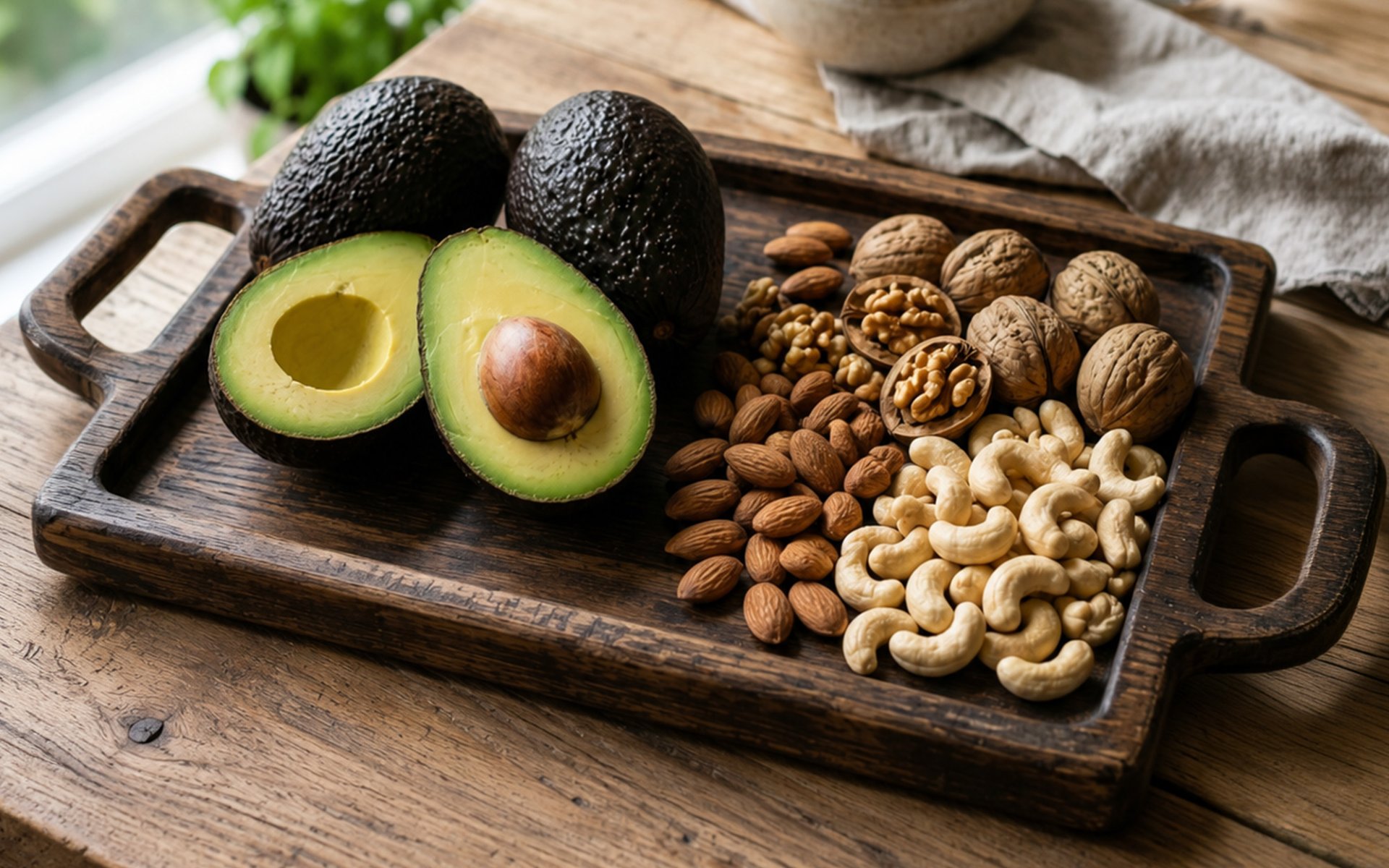
“Fat” is often viewed as the villain on the dining table. However, in the world of nutrition, fat can be compared to a double-edged sword. When consumed appropriately, fat becomes a “supporter” that helps protect cells, slow bodily degeneration, and serve as an essential energy source for brain function.
In nutritional science, fats can generally be divided into two categories: healthy fats and unhealthy fats. Nutritionists commonly recommend prioritizing healthy fats, as they provide more long-term health benefits.
Healthy fats, or unsaturated fats, are fats whose molecular structures contain double bonds, allowing the body to digest and utilize them efficiently. They can be divided into two main groups: monounsaturated fats, such as oleic acid, and polyunsaturated fats, such as omega-3 and omega-6 fatty acids. These fats play important roles in health by helping reduce bad cholesterol (LDL), increase good cholesterol (HDL), and reduce inflammation in the body.
In addition, healthy fats are essential components of brain cells and help the body absorb fat-soluble vitamins more effectively, including vitamins A, D, E, and K.
Healthy fats are commonly found in avocados, olive oil, and various nuts such as almonds, walnuts, and cashews.
The reason avocados are recognized for skin nourishment lies in their synergistic nutritional composition. Oleic acid helps maintain skin moisture, vitamin E acts as an antioxidant protecting the skin from UV radiation and pollution damage, while vitamin C supports collagen production.
Avocados are also rich in vitamin K and folate, which support circulatory health and may help reduce the risk of blood clot formation in the brain. These nutrients are also associated with memory and concentration functions.
Furthermore, avocados contain the amino acid tryptophan, a precursor to serotonin, the neurotransmitter involved in mood regulation. It may help reduce anxiety and support sleep quality, allowing the brain to rest and recover more effectively.
Consumption tip:
Nutritionists recommend consuming at least half an avocado per day (approximately 80–100 grams). It can be enjoyed with whole wheat bread, salads, smoothies, or used as a butter substitute in cooking to reduce saturated fat intake.
Walnuts : Walnuts are among the richest plant-based sources of ALA omega-3 fatty acids. They help reduce inflammation, support brain function, and lower the risk of cardiovascular disease. Walnuts are also rich in polyphenols with antioxidant properties that protect cells from oxidative stress. Research from UCLA (University of California, Los Angeles) found that individuals who regularly consumed walnuts performed significantly better in tests related to memory, concentration, and processing speed compared to the control group.
Almonds : Almonds are rich in vitamin E, magnesium, and fiber. They help nourish the skin, regulate blood sugar levels, and support bone health. They are commonly consumed as a healthy snack. Research published in the journal Nutrients reported that middle-aged women who consumed 45 grams of almonds daily for 16 weeks showed a significant reduction in facial wrinkles, along with improvements in skin tone and skin uniformity compared to the control group.
Macadamia Nuts : Macadamias contain the highest level of monounsaturated fats among nuts. They help reduce LDL cholesterol while increasing HDL cholesterol and are known for their naturally rich and buttery flavor.
Pistachios : Pistachios are high in protein and fiber, helping support weight management. They also contain lutein and zeaxanthin for eye health, along with a wide range of antioxidants.
Cashews : Cashews are rich in copper, zinc, and magnesium, supporting immune function, brain performance, and the health of bones and teeth.
Hazelnuts : Hazelnuts are abundant in folate, vitamin E, and manganese. They support brain function, reduce inflammation, and contribute to nervous system health.
The U.S. Food and Drug Administration (FDA) recommends consuming approximately 42.5 grams of tree nuts per day to help reduce the risk of heart disease. Since nuts are calorie-dense, they should be consumed in moderation as a replacement for snacks high in sugar and saturated fat.
Avocados can also be incorporated into meals in various ways, such as spreading them on whole wheat bread instead of butter for breakfast or adding them to salads to enhance the absorption of fat-soluble vitamins A, D, E, and K from leafy greens. These vitamins require fat for proper absorption. Additionally, avocados can be blended into smoothies to improve both texture and nutritional value.
Another important factor is the choice of cooking oils. Oils rich in unsaturated fats, such as olive oil, avocado oil, and sesame oil, are preferable to hydrogenated oils, which may contain high levels of trans fats and negatively affect cardiovascular health over time.
Avocados and various nuts are available at Rimping.
In nutritional science, fats can generally be divided into two categories: healthy fats and unhealthy fats. Nutritionists commonly recommend prioritizing healthy fats, as they provide more long-term health benefits.
Healthy fats, or unsaturated fats, are fats whose molecular structures contain double bonds, allowing the body to digest and utilize them efficiently. They can be divided into two main groups: monounsaturated fats, such as oleic acid, and polyunsaturated fats, such as omega-3 and omega-6 fatty acids. These fats play important roles in health by helping reduce bad cholesterol (LDL), increase good cholesterol (HDL), and reduce inflammation in the body.
In addition, healthy fats are essential components of brain cells and help the body absorb fat-soluble vitamins more effectively, including vitamins A, D, E, and K.
Healthy fats are commonly found in avocados, olive oil, and various nuts such as almonds, walnuts, and cashews.
Avocado
Avocados are unique fruits in terms of nutrition due to their relatively high fat content. Half an avocado provides approximately 15 grams of fat, most of which consists of oleic acid, the same monounsaturated fat found in olive oil.The reason avocados are recognized for skin nourishment lies in their synergistic nutritional composition. Oleic acid helps maintain skin moisture, vitamin E acts as an antioxidant protecting the skin from UV radiation and pollution damage, while vitamin C supports collagen production.
Avocados are also rich in vitamin K and folate, which support circulatory health and may help reduce the risk of blood clot formation in the brain. These nutrients are also associated with memory and concentration functions.
Furthermore, avocados contain the amino acid tryptophan, a precursor to serotonin, the neurotransmitter involved in mood regulation. It may help reduce anxiety and support sleep quality, allowing the brain to rest and recover more effectively.
Consumption tip:
Nutritionists recommend consuming at least half an avocado per day (approximately 80–100 grams). It can be enjoyed with whole wheat bread, salads, smoothies, or used as a butter substitute in cooking to reduce saturated fat intake.
Various Types of Nuts
Tree nuts and legumes are diverse and accessible sources of healthy fats. Each type has a unique nutritional profile, allowing individuals to choose according to their specific health needs.Walnuts : Walnuts are among the richest plant-based sources of ALA omega-3 fatty acids. They help reduce inflammation, support brain function, and lower the risk of cardiovascular disease. Walnuts are also rich in polyphenols with antioxidant properties that protect cells from oxidative stress. Research from UCLA (University of California, Los Angeles) found that individuals who regularly consumed walnuts performed significantly better in tests related to memory, concentration, and processing speed compared to the control group.
Almonds : Almonds are rich in vitamin E, magnesium, and fiber. They help nourish the skin, regulate blood sugar levels, and support bone health. They are commonly consumed as a healthy snack. Research published in the journal Nutrients reported that middle-aged women who consumed 45 grams of almonds daily for 16 weeks showed a significant reduction in facial wrinkles, along with improvements in skin tone and skin uniformity compared to the control group.
Macadamia Nuts : Macadamias contain the highest level of monounsaturated fats among nuts. They help reduce LDL cholesterol while increasing HDL cholesterol and are known for their naturally rich and buttery flavor.
Pistachios : Pistachios are high in protein and fiber, helping support weight management. They also contain lutein and zeaxanthin for eye health, along with a wide range of antioxidants.
Cashews : Cashews are rich in copper, zinc, and magnesium, supporting immune function, brain performance, and the health of bones and teeth.
Hazelnuts : Hazelnuts are abundant in folate, vitamin E, and manganese. They support brain function, reduce inflammation, and contribute to nervous system health.
The U.S. Food and Drug Administration (FDA) recommends consuming approximately 42.5 grams of tree nuts per day to help reduce the risk of heart disease. Since nuts are calorie-dense, they should be consumed in moderation as a replacement for snacks high in sugar and saturated fat.
How to Incorporate Healthy Fats into Daily Life
Adding healthy fats to daily meals does not have to be complicated. It can begin with small and practical dietary adjustments, such as choosing nuts as snacks instead of processed foods. Ideally, nuts should be unsalted, unsweetened, and not fried to maximize nutritional benefits.Avocados can also be incorporated into meals in various ways, such as spreading them on whole wheat bread instead of butter for breakfast or adding them to salads to enhance the absorption of fat-soluble vitamins A, D, E, and K from leafy greens. These vitamins require fat for proper absorption. Additionally, avocados can be blended into smoothies to improve both texture and nutritional value.
Another important factor is the choice of cooking oils. Oils rich in unsaturated fats, such as olive oil, avocado oil, and sesame oil, are preferable to hydrogenated oils, which may contain high levels of trans fats and negatively affect cardiovascular health over time.
Precautions
Although healthy fats offer numerous benefits, they are still high in calories. One gram of fat provides 9 kilocalories. Individuals aiming to control their weight should monitor total caloric intake and consult a nutritionist to create a meal plan suited to their individual needs.Avocados and various nuts are available at Rimping.
Tags :
Related Content

The Art of Chinese Tea Brewing: The Cultural Significance of Tea and Its Connection to Chinese New Year

Meet Fannie Farmer The Woman Who Standardized Recipes and Transformed the Way the World Cooks