Psyllium Husk
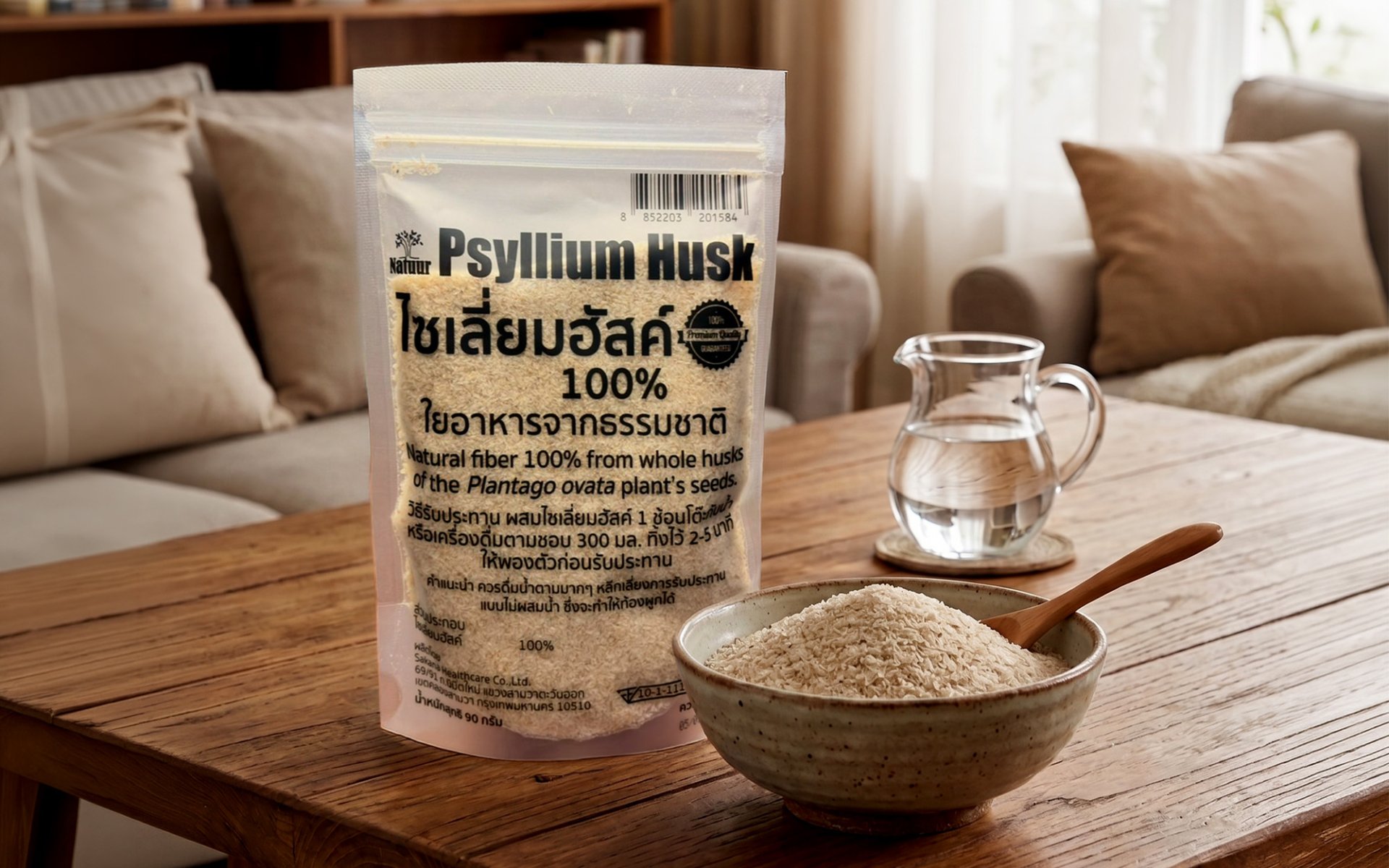
What Is Psyllium Husk and How Does It Work?
Psyllium Husk is a type of soluble dietary fiber derived from the outer husk of the seeds of a plant scientifically known as Plantago ovata, a medicinal herb widely cultivated in India and South Asia. The seed husk is exceptionally rich in soluble fiber.When Psyllium Husk comes into contact with water, it expands to approximately 40–50 times its original weight and forms a thick, gel-like substance with high viscosity and remarkable water-absorbing capacity. Due to these properties, Psyllium Husk plays an important role in supporting digestive health, promoting regular bowel movements, increasing stool bulk, and contributing to holistic wellness in multiple ways.
The History of Psyllium Husk in Ancient Medicine
Psyllium Husk has been used as a medicinal herb for more than 2,000 years and was mentioned in ancient Ayurvedic medical texts from India, a holistic healing system that dates back to the first millennium BCE.The original habitat of this plant is believed to be in the Mediterranean region, covering parts of Southern Europe, North Africa, and Western Asia, before spreading into India through ancient trade routes. It later became widely cultivated in northwestern Indian states such as Gujarat, Rajasthan, Punjab, and Haryana, which remain major production centers for Psyllium Husk to this day.
Psyllium Husk in Ayurveda and Traditional Medicine
In traditional Ayurvedic medicine, Psyllium Husk is referred to as “Isabgol” and is classified as a cooling herb that helps balance the digestive system. It has traditionally been used to relieve constipation, diarrhea, hemorrhoids, and inflammatory conditions. It has also been used to help alleviate coughs and anemia.Meanwhile, in the Unani system of medicine, which originated from ancient Greek medical knowledge and was later developed by Muslim scholars such as Ibn Sina, or Avicenna, Psyllium Husk was also documented in medical texts. It was described as beneficial for supporting urinary tract health, regulating blood pressure, and relieving skin irritation.
In China, Psyllium Husk has likewise been used in Traditional Chinese Medicine, particularly for conditions related to the urinary and digestive systems, reflecting its long-standing cross-cultural role as a medicinal herb.
Psyllium Husk in Modern Nutrition and Healthcare
As modern medicine began to study dietary fiber more seriously, researchers discovered that Psyllium Husk possesses remarkable properties that help regulate blood lipid levels, support digestive health, and improve intestinal balance. Owing to these benefits, Psyllium Husk has become a key ingredient in many pharmaceutical and health products, especially bulk-forming laxatives and fiber supplements for digestive support.The importance of this dietary fiber gained even greater recognition in 1998, when the U.S. Food and Drug Administration (FDA) allowed products containing Psyllium Husk to state on their labels that they “may reduce the risk of heart disease” under specific nutritional conditions. This milestone reflected Psyllium Husk’s growing significance in global nutrition and healthcare.
Benefits of Psyllium Husk for Health
Supports Digestive Health: The most widely recognized benefit of Psyllium Husk is its ability to support digestive balance. When Psyllium Husk absorbs water and forms a gel, it increases stool bulk and softens stool consistency, making bowel movements easier and more regular.
Conversely, for individuals experiencing diarrhea, the gel formed by Psyllium Husk can absorb excess water in the intestines, helping stools become firmer and less watery. Therefore, it is considered a versatile dietary fiber that may help regulate bowel function in both constipation and certain cases of diarrhea.
Helps Lower Cholesterol Levels : Numerous studies, including research conducted at Harvard University, have found that Psyllium Husk may help reduce levels of low-density lipoprotein (LDL) cholesterol and other lipid markers associated with cardiovascular disease risk.
The primary mechanism behind this effect is that the gel formed by Psyllium Husk can bind to bile acids and cholesterol within the digestive tract before they are excreted through stool. As a result, the body must draw cholesterol from the bloodstream to produce new bile acids, thereby contributing to long-term reductions in LDL cholesterol levels.
Helps Regulate Blood Sugar Levels : Psyllium Husk offers significant benefits for individuals with type 2 diabetes and those at risk of metabolic syndrome. The gel formed by its fiber content helps slow the absorption of sugar from food into the bloodstream, causing post-meal blood sugar levels to rise more gradually and steadily.
This property helps reduce blood sugar fluctuations and may improve insulin sensitivity in some cases.
Supports Weight Management : Psyllium Husk may assist with weight management because of its ability to absorb water and expand substantially. When consumed before meals, it helps increase feelings of fullness, promoting earlier satiety and prolonged fullness. This may reduce appetite throughout the day and support more effective calorie control.
Supports Gut Microbiota : Psyllium Husk acts as a prebiotic, a type of dietary fiber that promotes the growth of beneficial gut bacteria, particularly strains capable of producing short-chain fatty acids such as butyrate. This fatty acid plays an important role in maintaining intestinal lining health, strengthening the gut barrier, reducing inflammation, and supporting immune function. Furthermore, a balanced gut microbiome has been associated with improved metabolic health, digestive function, and long-term overall wellness.
How to Consume Psyllium Husk Properly
In general, experts recommend starting with a small amount of Psyllium Husk, such as approximately one teaspoon per day, and gradually increasing the amount as appropriate. This allows the digestive system time to adjust and helps reduce the likelihood of bloating or abdominal discomfort during the initial stages.
Different Forms of Psyllium Husk Products
Psyllium Husk is available in several product forms, including:
Powder: The most common form, typically mixed with water, fruit juice, or other beverages. It should be consumed immediately after mixing, as the gel thickens rapidly.
Capsules: Convenient for individuals who dislike the texture, although it is important to drink plenty of water afterward.
Wafers and Bars: Often flavored to improve palatability.
Best Time to Take Psyllium Husk
Before meals: Helps reduce hunger and regulate post-meal blood sugar levels.
Before bedtime: Supports bowel function the following morning.
At least 2 hours apart from medications: Psyllium Husk may interfere with the absorption of certain medications.
The Importance of Adequate Water Intake
The most important rule when consuming Psyllium Husk is to drink sufficient water. As a general guideline, one teaspoon of Psyllium Husk should be followed by at least 240 milliliters (one large glass) of water. Without adequate water intake, Psyllium Husk may swell in the esophagus and potentially cause blockage.
Today, India remains the world’s largest producer of Psyllium Husk, accounting for approximately 80–90% of global production. The state of Gujarat serves as a major center for the cultivation, processing, and export of Psyllium Husk.
At the same time, the United States is one of the largest importers of Psyllium Husk worldwide. Approximately 60% of imported Psyllium Husk is used in the pharmaceutical, dietary supplement, and food industries, reflecting its evolution from a traditional herbal remedy into a globally important health ingredient.