World Chocolate Day
Last updated: 2 Jul 2026
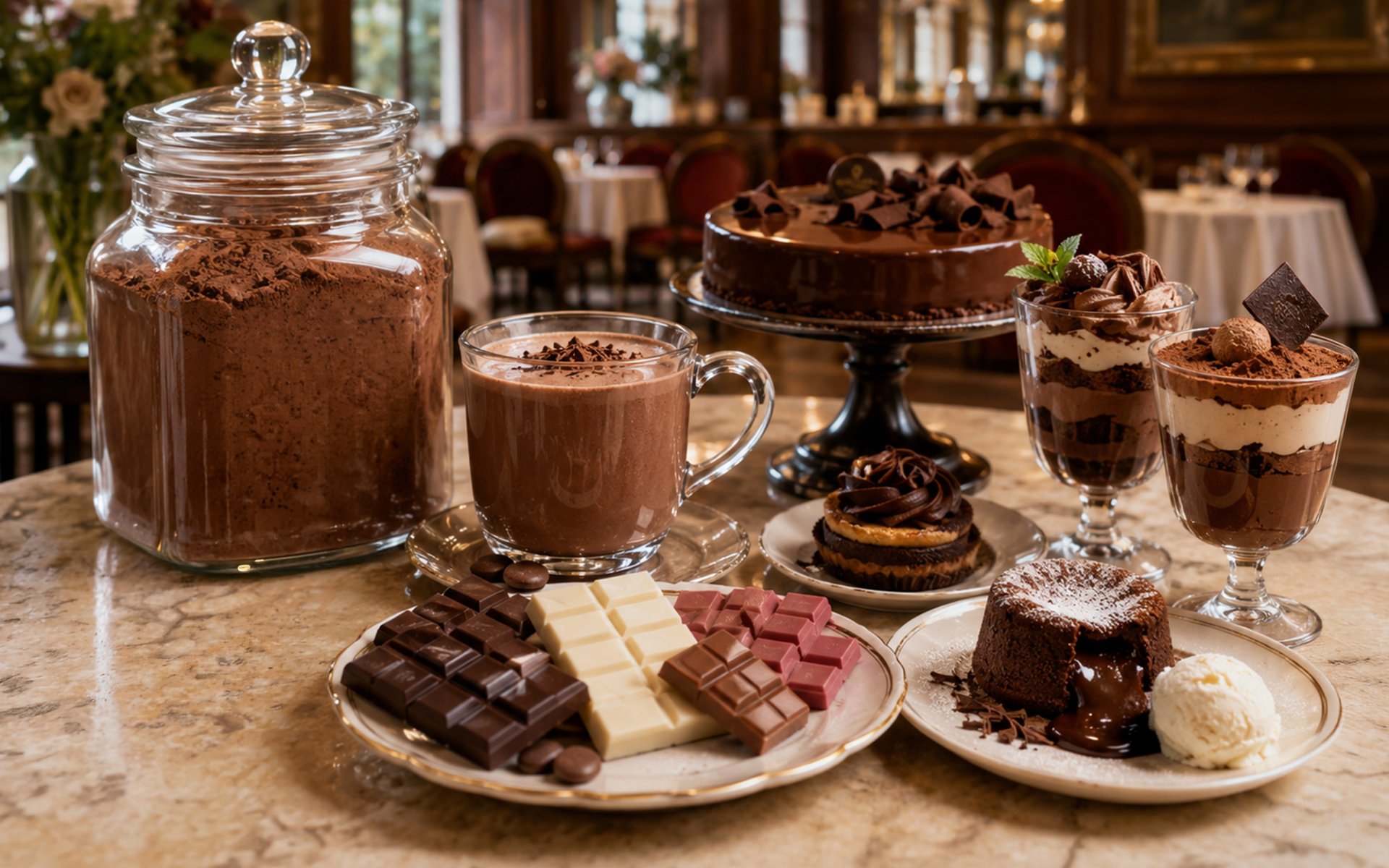
Every year on July 7, chocolate lovers around the world celebrate World Chocolate Day, a special occasion dedicated to appreciating the rich history, remarkable diversity, and irresistible flavor of chocolate. What began thousands of years ago as a sacred ceremonial drink among ancient civilizations has evolved into one of the world's most beloved foods and a universal symbol of happiness, celebration, and affection.
Although World Chocolate Day has been widely celebrated since 2009, there is no definitive evidence identifying the individual or organization that officially established the occasion. It is widely believed that the celebration originated in France before gradually gaining popularity across many countries through chocolate-themed events, festivals, and promotions.
The date of July 7 is commonly associated with the anniversary of chocolate's introduction to Europe in 1550. This milestone marked a turning point in chocolate's history, as cacao—once native exclusively to the Americas—began spreading throughout Europe. Over the following centuries, chocolate underwent continuous refinement and eventually developed into the wide variety of products enjoyed around the world today.
The earliest evidence of cacao consumption has been linked to the Olmec civilization, whose knowledge was later inherited by the Maya. The Maya regarded the cacao tree as sacred and were among the first people to roast and grind cacao beans before mixing them with water, chili peppers, and various spices to create a bitter beverage known as "Xocolatl." This drink was consumed during religious ceremonies, weddings, and other important occasions, and was also believed to possess restorative and medicinal properties.
The Aztec civilization later adopted the Maya's cacao traditions but elevated chocolate to an even more prestigious status. They believed cacao beans were a divine gift from Quetzalcoatl, the god of wisdom. As a result, cacao beans became so valuable that they were used as currency. Historical records suggest that 100 cacao beans could be exchanged for a turkey.
Chocolate beverages were reserved primarily for warriors, priests, and members of the nobility. According to historical accounts, Emperor Montezuma II was especially fond of chocolate and reportedly drank dozens of cups each day, served in golden vessels.
Once introduced to Spain, the original bitter beverage was transformed by adding sugar, honey, vanilla, and cinnamon, creating a sweeter and more appealing drink. Chocolate quickly became fashionable among the Spanish royal court and aristocracy.
For nearly a century, Spain closely guarded the secrets of chocolate production before the beverage gradually spread to France and other European countries. Initially, chocolate remained an exclusive luxury enjoyed only by royalty and the wealthy because cacao had to be imported from colonial territories in the Americas. However, as cacao cultivation expanded and production costs declined, chocolate became increasingly accessible to the general public and eventually gained widespread popularity across Europe.
A major breakthrough occurred in 1828, when Dutch chemist Coenraad Johannes van Houten invented the cocoa press. His invention efficiently separated cocoa butter from roasted cacao beans, producing a lower-fat cocoa powder that dissolved more easily and offered a smoother flavor. This product became known as Dutch cocoa and laid the foundation for the modern chocolate industry.
Another milestone followed in 1847, when the British company J. S. Fry & Sons successfully produced the world's first commercially available solid chocolate bar by combining cocoa powder, sugar, and cocoa butter in carefully balanced proportions. This innovation transformed chocolate from a beverage into a convenient confectionery product enjoyed by millions worldwide.
The industry's rapid progress continued in 1875, when Swiss chocolatier Daniel Peter, working in collaboration with Henri Nestlé, successfully incorporated milk into chocolate using powdered milk. Their innovation resulted in the creation of milk chocolate, which featured a sweeter flavor and smoother texture, making chocolate even more popular among consumers of all ages.
Another revolutionary advancement came in 1879, when Rodolphe Lindt invented the conching machine. This process continuously mixed and kneaded chocolate for extended periods, reducing bitterness and acidity while creating an exceptionally smooth texture and more refined flavor. Conching remains one of the most important processes in premium chocolate manufacturing today.
Although World Chocolate Day has been widely celebrated since 2009, there is no definitive evidence identifying the individual or organization that officially established the occasion. It is widely believed that the celebration originated in France before gradually gaining popularity across many countries through chocolate-themed events, festivals, and promotions.
The date of July 7 is commonly associated with the anniversary of chocolate's introduction to Europe in 1550. This milestone marked a turning point in chocolate's history, as cacao—once native exclusively to the Americas—began spreading throughout Europe. Over the following centuries, chocolate underwent continuous refinement and eventually developed into the wide variety of products enjoyed around the world today.
The Ancient Origins of Chocolate
The history of chocolate dates back approximately 4,000 years to Mesoamerica, a region encompassing present-day Mexico and parts of Central America.The earliest evidence of cacao consumption has been linked to the Olmec civilization, whose knowledge was later inherited by the Maya. The Maya regarded the cacao tree as sacred and were among the first people to roast and grind cacao beans before mixing them with water, chili peppers, and various spices to create a bitter beverage known as "Xocolatl." This drink was consumed during religious ceremonies, weddings, and other important occasions, and was also believed to possess restorative and medicinal properties.
The Aztec civilization later adopted the Maya's cacao traditions but elevated chocolate to an even more prestigious status. They believed cacao beans were a divine gift from Quetzalcoatl, the god of wisdom. As a result, cacao beans became so valuable that they were used as currency. Historical records suggest that 100 cacao beans could be exchanged for a turkey.
Chocolate beverages were reserved primarily for warriors, priests, and members of the nobility. According to historical accounts, Emperor Montezuma II was especially fond of chocolate and reportedly drank dozens of cups each day, served in golden vessels.
Chocolate Arrives in Europe
A major turning point in chocolate's history occurred when Spanish explorers reached the Americas. Hernán Cortés, the Spanish conquistador, is believed to have first encountered chocolate in the court of Emperor Montezuma. He later brought cacao beans back to Europe around 1550.Once introduced to Spain, the original bitter beverage was transformed by adding sugar, honey, vanilla, and cinnamon, creating a sweeter and more appealing drink. Chocolate quickly became fashionable among the Spanish royal court and aristocracy.
For nearly a century, Spain closely guarded the secrets of chocolate production before the beverage gradually spread to France and other European countries. Initially, chocolate remained an exclusive luxury enjoyed only by royalty and the wealthy because cacao had to be imported from colonial territories in the Americas. However, as cacao cultivation expanded and production costs declined, chocolate became increasingly accessible to the general public and eventually gained widespread popularity across Europe.
The Industrial Revolution Transforms Chocolate
The chocolate products we know today—including cocoa powder, chocolate bars, and milk chocolate—were made possible through technological innovations during the Industrial Revolution in the nineteenth century.A major breakthrough occurred in 1828, when Dutch chemist Coenraad Johannes van Houten invented the cocoa press. His invention efficiently separated cocoa butter from roasted cacao beans, producing a lower-fat cocoa powder that dissolved more easily and offered a smoother flavor. This product became known as Dutch cocoa and laid the foundation for the modern chocolate industry.
Another milestone followed in 1847, when the British company J. S. Fry & Sons successfully produced the world's first commercially available solid chocolate bar by combining cocoa powder, sugar, and cocoa butter in carefully balanced proportions. This innovation transformed chocolate from a beverage into a convenient confectionery product enjoyed by millions worldwide.
The industry's rapid progress continued in 1875, when Swiss chocolatier Daniel Peter, working in collaboration with Henri Nestlé, successfully incorporated milk into chocolate using powdered milk. Their innovation resulted in the creation of milk chocolate, which featured a sweeter flavor and smoother texture, making chocolate even more popular among consumers of all ages.
Another revolutionary advancement came in 1879, when Rodolphe Lindt invented the conching machine. This process continuously mixed and kneaded chocolate for extended periods, reducing bitterness and acidity while creating an exceptionally smooth texture and more refined flavor. Conching remains one of the most important processes in premium chocolate manufacturing today.
The Four Main Types of Chocolate
Today, chocolate is generally classified into four main categories, each distinguished by its ingredients, flavor profile, texture, and culinary applications.Dark Chocolate
Dark chocolate contains a high proportion of cocoa solids and cocoa butter, typically ranging from 50% to 100% cocoa. It contains little sugar and no milk solids, resulting in an intense cocoa flavor with pleasant bitterness. It is also particularly rich in flavonoids and antioxidants.Milk Chocolate
Milk chocolate contains cocoa solids blended with milk powder or condensed milk, along with sugar. With cocoa content typically ranging from 10% to 40%, it offers a sweeter, creamier taste and remains the world's most popular type of chocolate.White Chocolate
Unlike other varieties, white chocolate contains no cocoa solids. Instead, it is made from cocoa butter, milk, and sugar, producing its characteristic ivory color, creamy texture, and rich sweetness. Although it lacks the distinctive cocoa flavor of dark chocolate, it is recognized as chocolate under the food standards of many countries because cocoa butter remains its primary ingredient.Ruby Chocolate
Introduced globally in 2017 by Barry Callebaut, ruby chocolate is produced from specially selected ruby cacao beans that naturally possess pink pigments. As a result, the chocolate displays a naturally pink color without artificial coloring or flavoring. It also offers a distinctive fruity flavor with berry-like acidity and sweetness, making it widely recognized as the "fourth type" of chocolate alongside dark, milk, and white chocolate.Potential Health Benefits of Chocolate
Beyond its exceptional taste, chocolate has attracted considerable attention from nutritionists and scientists because of its potential health benefits. These benefits, however, are generally associated with moderate consumption, particularly of chocolate with a high cocoa content.
Rich in Antioxidants
Cacao beans contain high levels of flavonoids and polyphenols, natural compounds that help neutralize free radicals, reduce oxidative stress, combat inflammation, and potentially slow cellular aging.Supports Heart Health
Cocoa flavanols may stimulate the production of nitric oxide, which helps blood vessels relax and improves circulation. Several studies suggest that moderate consumption may contribute to healthy blood pressure and cardiovascular function.May Enhance Brain Function
Improved blood circulation may increase the delivery of oxygen and nutrients to the brain. Some research indicates that cocoa flavanols may support memory, concentration, and cognitive performance, particularly among older adults.Promotes Positive Mood
Chocolate naturally contains compounds involved in mood regulation, including tryptophan, an amino acid used by the body to produce serotonin, a neurotransmitter associated with emotional well-being. Eating chocolate may also stimulate the release of endorphins, contributing to feelings of relaxation and happiness. These effects help explain why chocolate has long been associated with celebration, comfort, and joyful occasions.Enjoy Chocolate in Moderation
Although chocolate offers several potential health benefits, nutrition experts recommend consuming it in moderation, as many chocolate products contain significant amounts of sugar and calories. Choosing dark chocolate with a high cocoa content and enjoying it in reasonable portions allows consumers to appreciate both its rich flavor and nutritional value.Celebrating World Chocolate Day
World Chocolate Day is much more than an opportunity to indulge in delicious treats. It also serves as a reminder of chocolate's remarkable journey through history—from sacred ceremonies in ancient Mesoamerica to one of the world's most cherished foods today. The occasion also highlights the importance of supporting cacao farmers and encouraging sustainable cacao cultivation and responsible chocolate production worldwide. Tags :
Related Content