Polvorones
Last updated: 4 Dec 2025
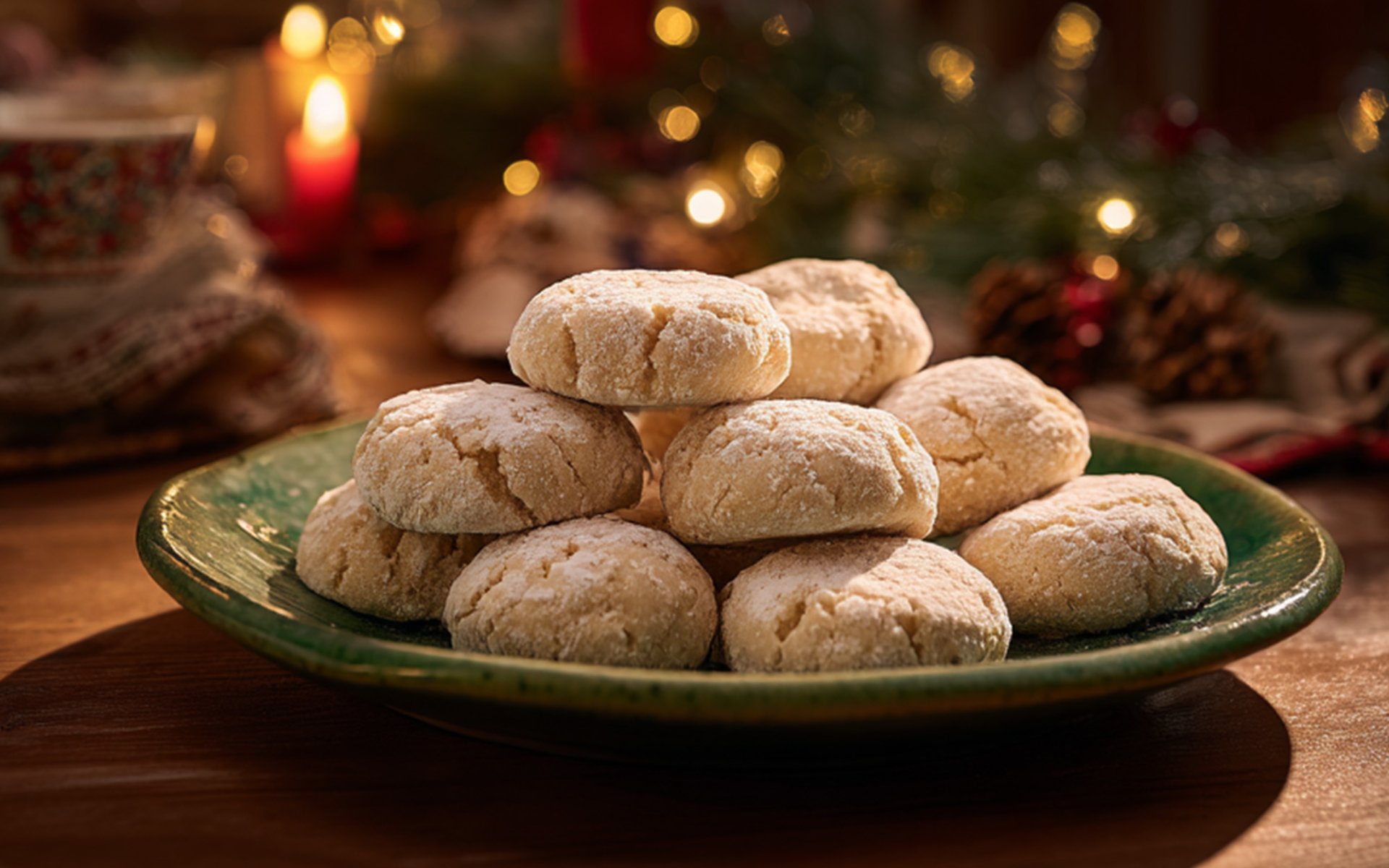
Polvorones are a traditional Spanish shortbread known for their uniquely crumbly, soft texture that disintegrates into a powder-like consistencyhence the name polvo, meaning powder. Made from toasted flour, sugar, and fat, this classic treat is especially enjoyed during the Christmas season and is considered one of Spains most iconic festive confections.
Polvorones have a history spanning several centuries and originated in Estepa, a town in Andalusia in southern Spain. In earlier times, many of Spains baked goodsincluding Polvoroneswere traditionally made by nuns in convents.
According to legend, the nuns of the Claras order were the first to make Polvorones, producing them as a source of income for their convent. Over time, the treat gained popularity as the public began enjoying it during festive occasions, particularly Christmas, an important celebration in Catholic communities.
Early preparations of Polvorones followed traditional methods, relying entirely on manual labor. Flour was toasted in large pans until lightly browned, then mixed with lard, sugar, and spices such as cinnamon and cloves. The dough was kneaded, shaped by hand into round or geometric forms, and baked.
At the beginning of the 20th century, Polvorones entered their golden age as demand surged both within Spain and throughout its former colonies. As a result, many commercial factories were established to meet increasing production needs.
During this period, Polvorones evolved with new variationsincorporating ingredients such as ground almonds, lemon zest, and vanilla. Some manufacturers even introduced specialty flavors featuring chocolate, coffee, and dried fruits, catering to broader and modern consumer preferences.
In Spain, Polvorones are also associated with a charming tradition: before unwrapping the treat, people often press it gently between both palms to compact it, making it easier to eat. Another fun custom, especially during the festive season, involves challenging others to pronounce the word Polvorones with a mouth full of the crumbly sweetoften resulting in lots of laughter among children and adults alike.
By the mid-20th century, Polvorones spread globally through trade and Spanish migration. Many Latin American countries developed their own versions using local flavors and ingredients.
Mexico: Polvorones became a year-round favorite, often featuring local additions such as pecans, Ceylon cinnamon, or corn flour.
Philippines: A former Spanish colony, it embraced Polvorones as a widely produced commercial sweet, with popular flavors including Pinipig (crispy rice), Ube (purple yam), and tropical fruits.
Argentina & Chile: These countries adapted Polvorones by using butter instead of lard, resulting in a softer, milder texture.
Today, Estepa remains the most important production center for Polvorones in Spain, home to more than 20 confectionery factories. The town produces over 10,000 tons per year (approximately 10 million kilograms), valued at more than 50 million euros annually (approx. 1,862,100,000 THB).
In 2010, Polvorones from Estepa received IGP (Indicación Geográfica Protegida) status from the European Union. This certification guarantees the quality and authenticity of the product, while protecting the reputation of Estepas producers from misuse or imitation of the name.
Polvorones have a history spanning several centuries and originated in Estepa, a town in Andalusia in southern Spain. In earlier times, many of Spains baked goodsincluding Polvoroneswere traditionally made by nuns in convents.
According to legend, the nuns of the Claras order were the first to make Polvorones, producing them as a source of income for their convent. Over time, the treat gained popularity as the public began enjoying it during festive occasions, particularly Christmas, an important celebration in Catholic communities.
Early preparations of Polvorones followed traditional methods, relying entirely on manual labor. Flour was toasted in large pans until lightly browned, then mixed with lard, sugar, and spices such as cinnamon and cloves. The dough was kneaded, shaped by hand into round or geometric forms, and baked.
At the beginning of the 20th century, Polvorones entered their golden age as demand surged both within Spain and throughout its former colonies. As a result, many commercial factories were established to meet increasing production needs.
During this period, Polvorones evolved with new variationsincorporating ingredients such as ground almonds, lemon zest, and vanilla. Some manufacturers even introduced specialty flavors featuring chocolate, coffee, and dried fruits, catering to broader and modern consumer preferences.
In Spain, Polvorones are also associated with a charming tradition: before unwrapping the treat, people often press it gently between both palms to compact it, making it easier to eat. Another fun custom, especially during the festive season, involves challenging others to pronounce the word Polvorones with a mouth full of the crumbly sweetoften resulting in lots of laughter among children and adults alike.
By the mid-20th century, Polvorones spread globally through trade and Spanish migration. Many Latin American countries developed their own versions using local flavors and ingredients.
Mexico: Polvorones became a year-round favorite, often featuring local additions such as pecans, Ceylon cinnamon, or corn flour.
Philippines: A former Spanish colony, it embraced Polvorones as a widely produced commercial sweet, with popular flavors including Pinipig (crispy rice), Ube (purple yam), and tropical fruits.
Argentina & Chile: These countries adapted Polvorones by using butter instead of lard, resulting in a softer, milder texture.
Today, Estepa remains the most important production center for Polvorones in Spain, home to more than 20 confectionery factories. The town produces over 10,000 tons per year (approximately 10 million kilograms), valued at more than 50 million euros annually (approx. 1,862,100,000 THB).
In 2010, Polvorones from Estepa received IGP (Indicación Geográfica Protegida) status from the European Union. This certification guarantees the quality and authenticity of the product, while protecting the reputation of Estepas producers from misuse or imitation of the name.
Tags :
Related Content


Understanding “Plant-Based 2.0”: The Evolution of Plant-Based Food Toward a New Era of Health and Sustainability