Christmas Pudding
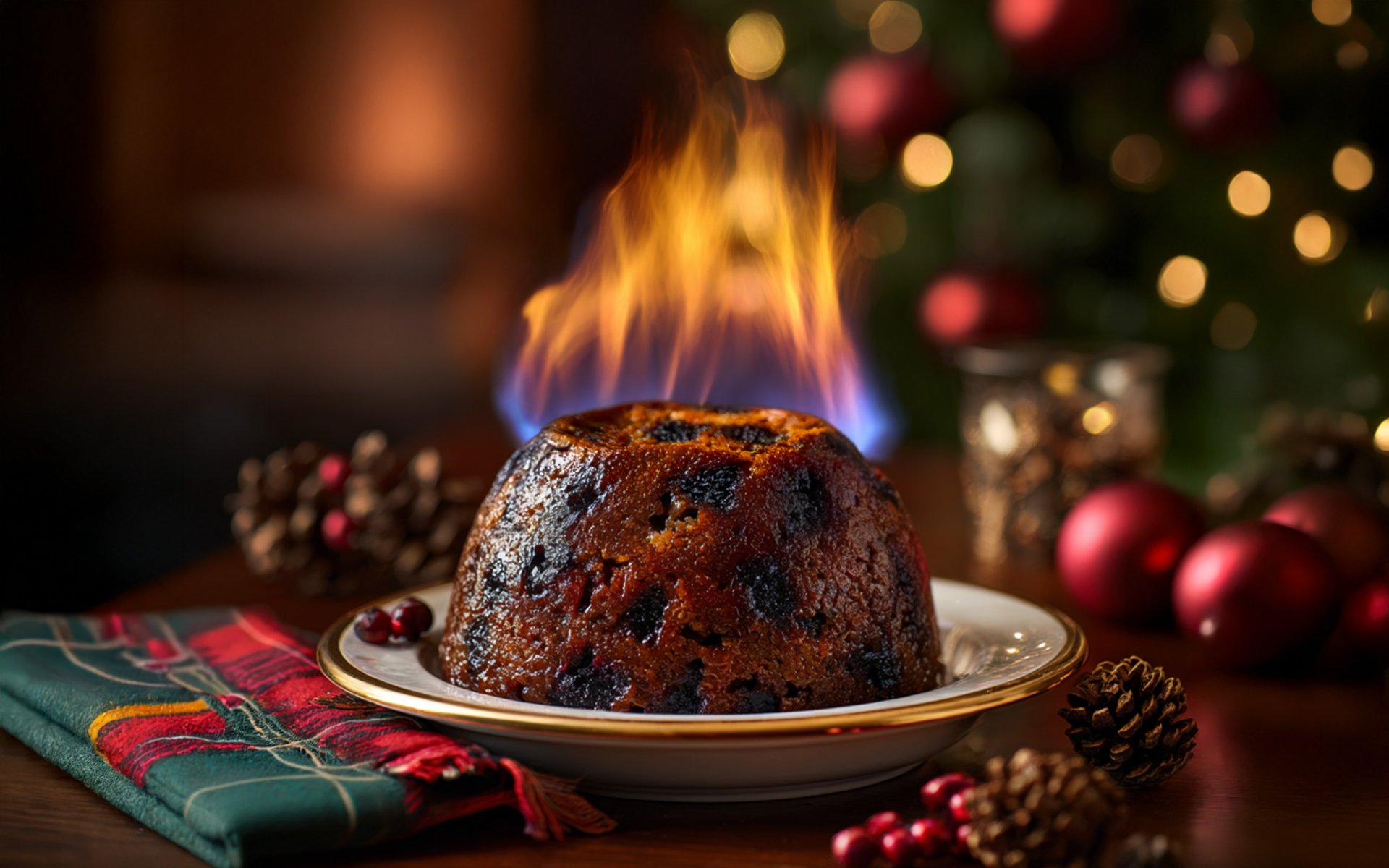
Preparation Weeks in Advance and the Festive Flambé Ritual
Traditionally, the pudding is prepared weeks in advance so the flavors can develop and mature over time. When it is ready to be served, warm brandy is poured over the pudding and set aflame (Flambé), creating a dramatic and festive presentation that has long been associated with Christmas celebrations.A Dessert Symbolizing Family Warmth and Togetherness
Christmas Pudding is considered a symbol of family warmth and togetherness. Many families have their own cherished recipes passed down through generations, filling this dessert with stories, memories, and sentiment.
A Tradition Rooted in Family and Ritual
The Wish-Making Stirring Tradition
The making of Christmas Pudding is tied to long-standing customs unlike any ordinary cooking. According to tradition, every family member must take part in stirring the mixture, and while stirring, each person may make a wishbelieved to come true if done with sincerity.Stirring from East to West: A Symbolic Ritual
Another important ritual is stirring the mixture using a wooden spoon from east to west, symbolizing the journey of the Three Wise Men traveling to visit the newborn Jesus.Historical Origins of Christmas Pudding
From Frumenty to Plum Pudding: Evolution Through CenturiesChristmas Pudding traces its beginnings to a 14th-century dish called Frumenty, a porridge-like mixture made from beef or mutton, raisins, prunes, wine, and spicesan energy-rich meal well-suited for the winter months.
By the 17th century, Frumenty evolved into a more solid, pudding-like dish through the addition of eggs, breadcrumbs, dried fruits, and ale or spirits. This resulted in a sweeter, more aromatic pudding. Because of the dark sugars and molasses used, the puddings color turned deep brown or nearly black, earning it the name Plum Pudding, despite not containing actual plums. Plum Pudding later became the form of Christmas Pudding we know today.
Religious Symbolism and Ingredients
The 13 Sacred Ingredients and Their MeaningIn medieval England, it was believed that the pudding must be made using exactly 13 ingredients, representing Jesus Christ and His 12 apostles. The core ingredients included raisins, dried fruits, suet, brown sugar, breadcrumbs, citrus peel, flour, mixed spices, eggs, milk, and brandy.
The Blue Flame Ritual and Its Christian Significance
Brandy played another symbolic rolenot only in flavor but also in presentation. Traditionally, just before serving, the pudding is doused in brandy and ignited. The brief blue flame represents the light and love of Christ watching over the family during the Christmas season.The Lucky Sixpence Tradition
Good Fortune and Prosperity for the Finder of the Coin
One of the most beloved customs associated with Christmas Pudding is the hiding of a silver sixpence coin in the mixture before steaming. When the pudding is sliced at the table, the person who finds the coin is believed to be blessed with good luck, prosperity, and happiness throughout the coming year. This simple tradition adds an element of fun, anticipation, and joy to the family gathering.
Today, Christmas Pudding is not only a dessertit is a symbol of hope, blessing, and the warmth of togetherness during the festive season.