Royal Bee Honey
Last updated: 22 Dec 2025
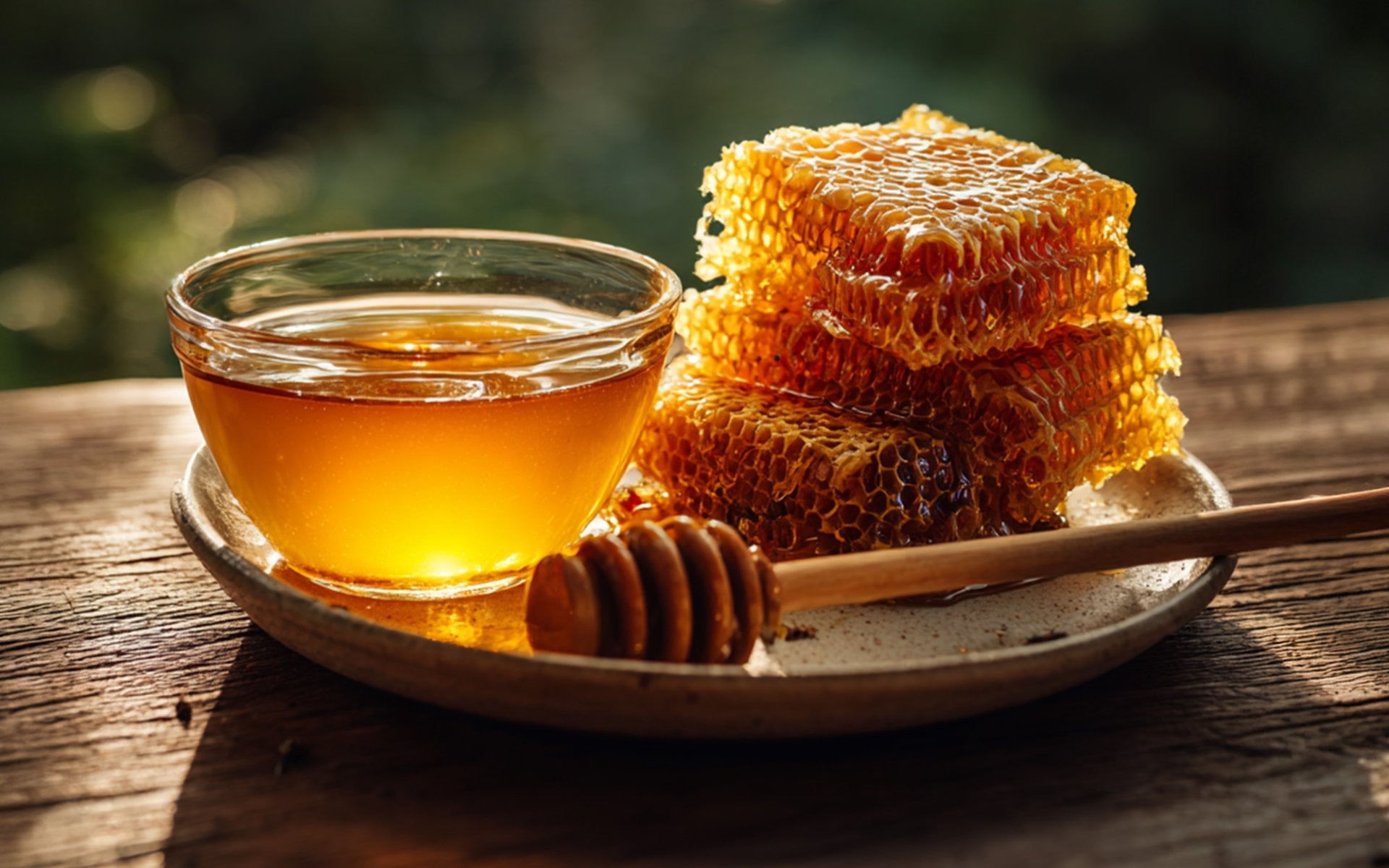
Honey has long been known as liquid gold throughout human history. Among the many varieties available today, Royal Bee Honey, or honey from giant honey bees, stands out as one of the highest-quality honeys, widely recognized for its exceptional flavor, distinctive aroma, and outstanding nutritional benefits.
100% Pure Wild Honey from Thailands Native Giant Honey Bees
Royal Bee Honey is 100% pure wild honey harvested from giant honey bees (Apis dorsata), a native bee species of Thailand. These bees build massive single-comb hives high in tall trees within natural forests and collect nectar from a wide variety of wildflowers. As a result, the honey has a rich, complex flavor profile, a uniquely aromatic scent, and is naturally abundant in vitamins, minerals, and antioxidants.The Meaning of Royal Bee in Nature and Thai Heritage
The term Royal Bee does not merely describe the size of the bee, but also reflects its stature as the most majestic and dominant among social beesboth in nature and in Thai cultural heritage. Historically in Thailand, royal bee honey was regarded as a precious ingredient, often used in royal herbal medicine formulas and religious ceremonies.Harvesting Royal Bee Honey: An Art and a Science
In ancient times, harvesting royal bee honey was considered both an art and a science, requiring exceptional courage, skill, and experience. Giant honey bees typically build their hives in hard-to-reach locations such as towering cliffs or the tops of large trees deep within forests. Each successful harvest was therefore seen as a rare gift from nature, giving this honey a value that extends beyond nutrition to cultural, spiritual, and economic significancefar exceeding that of farmed honey.The Worlds Largest Honey-Producing Bee
Giant honey bees are the largest honey-producing bees in the world, clearly distinct from domesticated bees, cavity-nesting bees, or other native species. They measure approximately 1720 millimeters in length and feature dark bodies accented with golden-yellow abdominal stripes, giving them a powerful and striking appearance.Wild Bees That Cannot Be Farmed
These bees cannot be domesticated or farmed. They do not live in man-made hives but instead construct large, single-comb nests at high elevations, such as massive tree branches or cliff faces. A single hive can reach an impressive width of 12 meters.Seasonal Migration and Its Impact on Honey Quality
Royal bees are also migratory by nature, moving seasonally in search of the most abundant food sources. This migration allows them to collect nectar from diverse wild flora, resulting in honey that varies in pollen sources, flavor, and nutritional composition depending on the geography.Flavor Complexity Shaped by Natural Terroir
The flavor of royal bee honey is not simply sweetit is complex and multi-dimensional, shaped by the natural floral sources of each region, much like wine or coffee reflects its terroir, climate, and ecosystem.Regional Characteristics of Royal Bee Honey Across Thailand
Across Thailand, royal bee honey exhibits distinct characteristics in taste, aroma, and colorfrom deep sweetness and mellow tones to subtle bitterness and unique forest aromas that express the identity of each landscape. Notable regional profiles include:Mangrove Forest Honey from Chumphon Province
Distinguished by smoky aromas with hints of licorice, offering deep umami notes that vividly reflect the mangrove ecosystem.Lopburi Province Honey from Tamarind Blossoms
Primarily derived from tamarind blossoms, featuring aromas reminiscent of yellow plum and toffee, with a sweet opening followed by a distinctive tangy finish.Mae Hong Son Province Wildflower Honey
Collected from diverse wildflowers, this honey presents a subtle saline note, tropical fruit aromas, and jasmine-like floral scents, creating a refreshing and layered experience.Ban Hin Lad Nai Honey from Chiang Rai
Known for its complex flavor spectrum, ranging from chrysanthemum and cacao nibs to pineapple and hops, reflecting the richness of pristine upstream forests.Month Five Honey and Peak Harvest Quality
Royal bee honey is most commonly harvested during Month Five (April), when humidity levels are at their lowest. This results in honey with lower moisture content and higher concentration. Honey harvested during this period is known as Month Five Honey and is widely regarded as the highest grade of royal bee honey, prized for its superior flavor, aroma, and nutritional value.Skilled and Sustainable Harvesting Practices
The harvesting process requires exceptional expertise. Bee hunters use gentle smoking techniques to calm the bees before collecting only the honey sac portion, while deliberately leaving the brood intact so the hive can survive and continue reproducing.The Ecological Importance of Giant Honey Bees
This method represents a sustainable harvesting approach, vital to ecological balance. Giant honey bees are among the primary pollinators of large trees and wild plants. Preserving their hives supports forest regeneration and long-term biodiversity. Tags :
Related Content


Get to Know Dubai Chocolate: The Internet-Famous Chocolate Blending Middle Eastern Desserts