Feijoada
Last updated: 23 Dec 2025
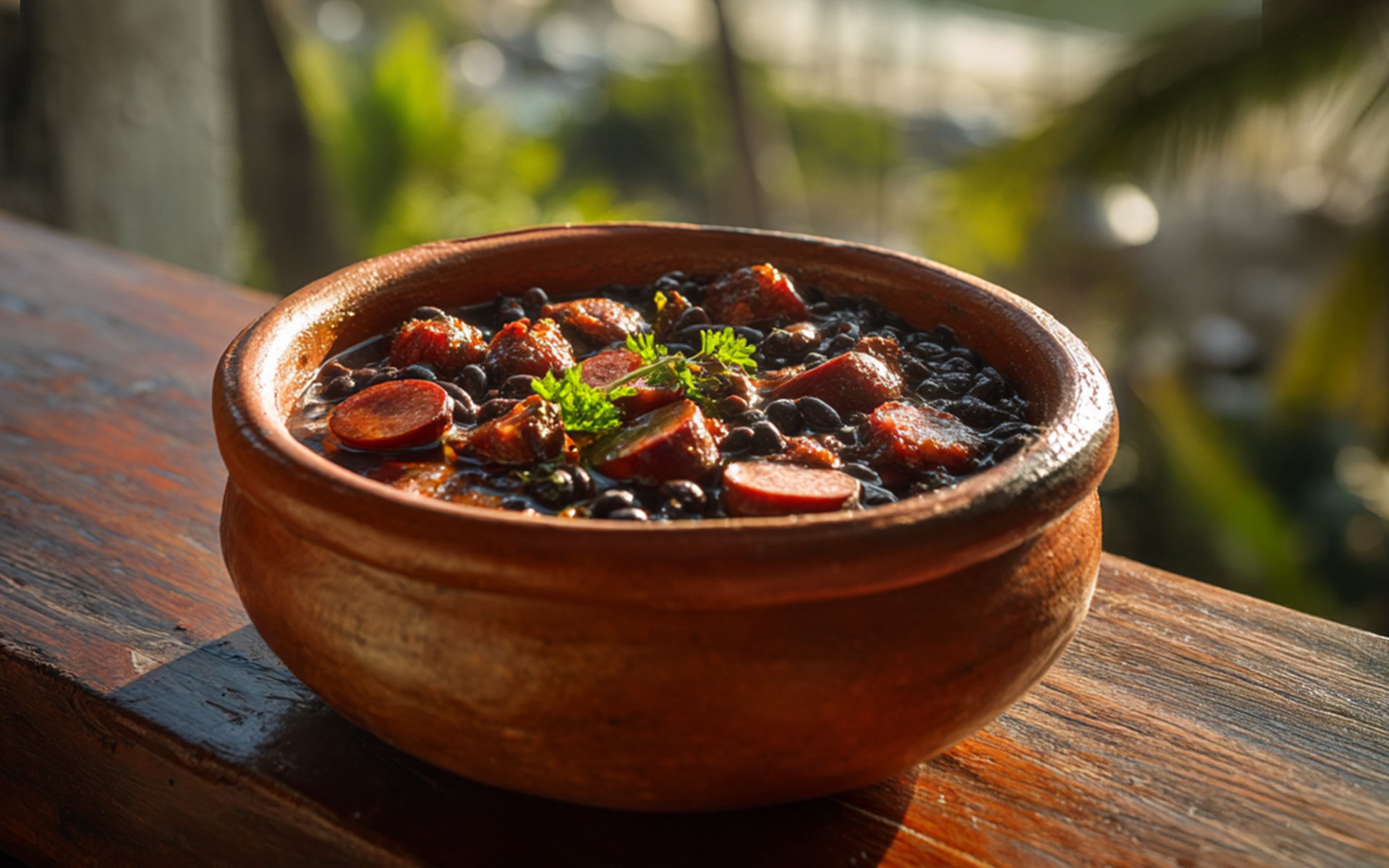
Feijoada is a traditional Brazilian stew made from black beans slowly simmered with various cuts of pork and smoked sausages. Widely regarded as Brazils national dish, Feijoada is a powerful cultural symbol that reflects the countrys history and culinary heritage. Its origins lie in European-style stews, adapted and enriched with local Brazilian ingredients.
Portuguese Roots and the Birth of Feijoada in Brazil
The history of Feijoada dates back to the 16th century, when Portuguese settlers arrived in Brazil, bringing with them beans and European cooking techniques. Portugal already had dishes similar to Feijoada, typically prepared with white or red beans. However, in Brazil, the recipe evolved into a distinctly local dish by using black beans, which thrived in the Brazilian climate and became the defining ingredient of the dish.Early Historical Records of Feijoada
The earliest written reference to Feijoada in Brazil appeared on March 2, 1827, in the newspaper Diário de Pernambuco, published in the city of Recife, Pernambuco, under the name Feijoada à brasileira. In 1833, the dish was also listed on the menu of the prestigious Hôtel Théatre in Recife, helping to elevate its status and rapidly increase its popularity.Regional Variations and Culinary Evolution
Over the years, Feijoada continued to evolve in both flavor and ingredients, with regional variations emerging across Brazil to suit local tastes and traditions. Despite these differences, the essence of Feijoada has remained unchanged: black beans simmered with assorted cuts of pork and aromatic smoked sausages, creating a rich and hearty stew.Feijoada as a Symbol of Brazilian Identity
In the early 20th century, Feijoada was officially embraced as Brazils national dish, driven in part by intellectuals and cultural thinkers who promoted it as a symbol of Brazils concept of racial democracy. This movement helped transform Feijoada from a dish once associated with the lower classes into one enjoyed by people from all social backgrounds, including the middle and upper classes. As a result, Feijoada became a staple on restaurant menus throughout the country.Key Ingredients of Traditional Feijoada
The main ingredients of Feijoada include black beans and a variety of pork cuts such as pork trotters, ears, bacon, ribs, smoked pork, and sausages such as chorizo and farinha sausage, which add depth and smoky aroma to the dish.Traditional Cooking Method
Traditional preparation begins by soaking the black beans for approximately 12 hours to soften them and reduce cooking time. The pork cuts and sausages are thoroughly cleaned before being slowly simmered together with the beans over low heat for several hours, allowing the meat to become tender and absorb the rich flavors of the stew.How Feijoada Is Traditionally Served
Feijoada is typically served with steamed white rice and a variety of accompaniments, including fresh tomato and onion salad, sliced oranges, and farofatoasted cassava flour that adds texture and balances the richness of the dish.Feijoada Today: Comfort Food with Cultural Meaning
Today, Feijoada is celebrated as a classic comfort food and is often described as food for the soul. With its bold flavors, satisfying heartiness, and deep cultural significance, Feijoada remains one of Brazils most cherished and enduring culinary traditions. Tags :
Related Content


Christmas isn't complete without Panettone: Tracing the Sweet History of the Classic Festive Bread