Jollof Rice
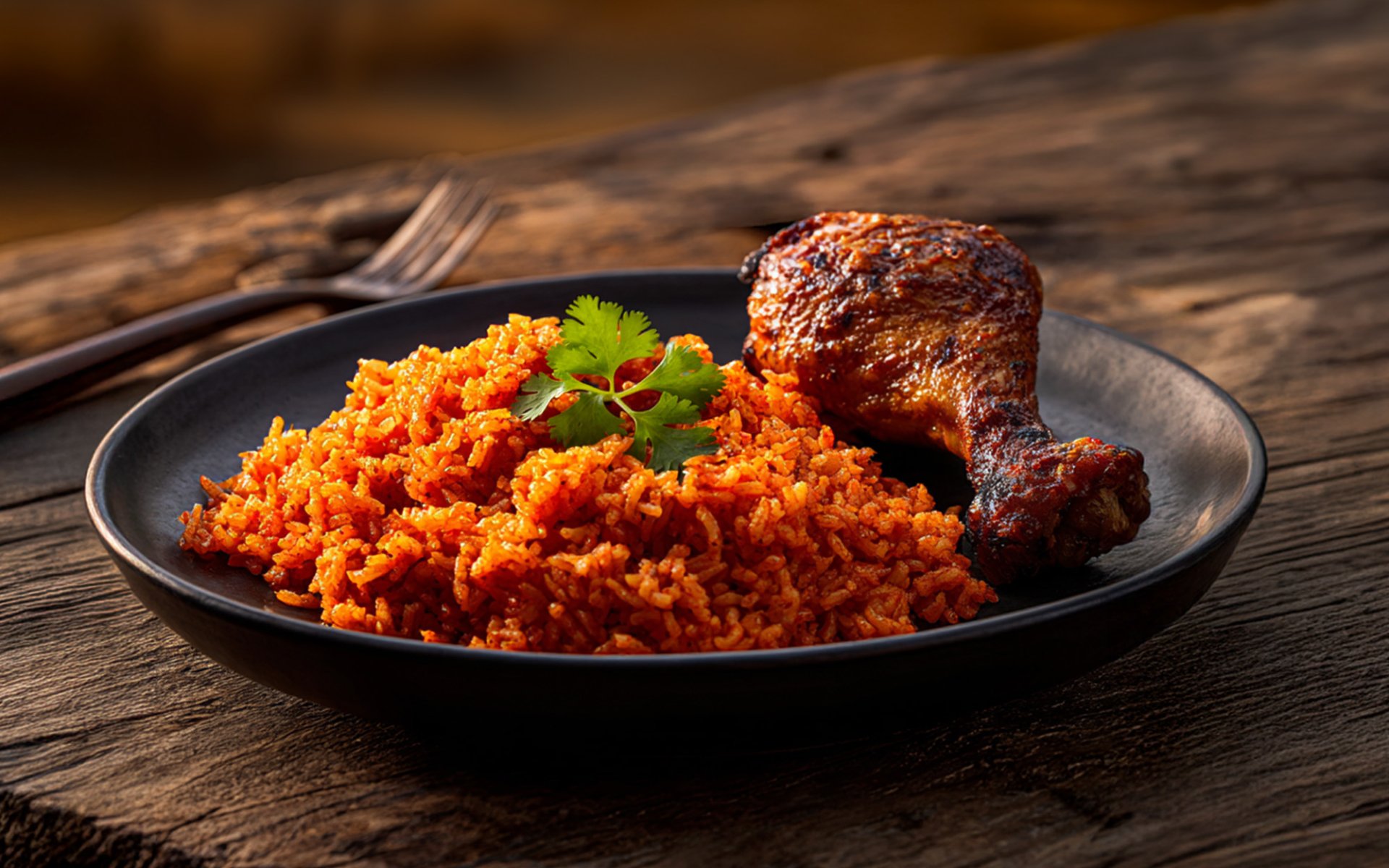
What Is Jollof Rice and Its Distinctive Characteristics
Jollof Rice is a signature dish of West Africa that has gained widespread popularity and international recognition. It is a one-pot rice dish distinguished by its vibrant orange-red color, created by cooking rice together with tomato sauce, chili peppers, onions, and a variety of spices.Historical Origins in the Wolof Empire
The historical roots of Jollof Rice can be traced back to the Wolof Empire, which flourished in West Africa around the 12th century, covering areas that are now part of Senegal, Mali, The Gambia, and Mauritania.Jollof Rice and Its Connection to Thieboudienne
African food historian Fran Osseo-Asare explains that Jollof Rice evolved from a traditional Wolof dish known as Thieboudienne or Ceebu jën, a rice-based meal cooked with fish, shellfish, and a wide variety of vegetables.The Introduction of Tomatoes and Culinary Transformation
In the 16th century, tomatoes were introduced to Africa from the Americas through trade routes and colonial expansion. As a result, local recipes began to change—tomatoes were transformed into sauces and cooked together with rice, while additional spices were incorporated to intensify the flavor. This culinary evolution laid the foundation for the Jollof Rice recognized today.Rice Cultivation and Daily Life in the Wolof Empire
Leaders of the Wolof Empire played a crucial role in promoting rice cultivation throughout the region, making rice a staple of everyday life. Combined with seafood resources and seasonal local vegetables, this resulted in dishes that were nourishing, filling, and well adapted to both the environment and the lifestyle of the community at the time.The Spread of Jollof Rice Across West Africa
As the Wolof Empire declined, its people migrated across West Africa, carrying their culinary knowledge and recipes with them. This movement allowed Jollof Rice to evolve in different regions, adapting to local ingredients, tastes, and cultural practices, ultimately giving rise to diverse regional variations with distinct identities.Jollof Rice in Senegal
Senegal:
Often regarded as the birthplace of traditional Jollof Rice, the Senegalese version typically features seafood as the main protein. The flavors are mild and well balanced, emphasizing harmony between rice, fish, and vegetables.
Jollof Rice in Nigeria
Nigeria:
Nigerian Jollof Rice is renowned for its bold, robust flavor and deep red color from tomato sauce, often accompanied by a subtle smoky aroma. It is commonly served with grilled chicken, roasted meat, or fried plantains and is a centerpiece at parties, celebrations, and major festivals.
Jollof Rice in Ghana
Ghana:
Ghanaian Jollof Rice frequently uses long-grain rice such as basmati, resulting in fluffy, separate grains rather than a soft or mushy texture. A variety of meats and vegetables are often added to enhance both nutritional value and flavor.
Cultural Significance of Jollof Rice in West Africa
Jollof Rice holds immense cultural significance across West Africa. A popular saying captures this sentiment: “A party without Jollof Rice is just a meeting.”
Jollof Rice in Social Celebrations and Traditions
The dish is served at countless important occasions, including weddings, birthdays, naming ceremonies, graduation celebrations, and family gatherings, highlighting its role as a centerpiece of social bonding and communal celebration.
The Emergence of the “Jollof Wars”
Since around 2010, friendly rivalry has emerged among West African nations—most notably between Nigeria and Ghana—over which country makes the best Jollof Rice. This cultural phenomenon has become widely known as the “Jollof Wars.”
Jollof Wars and Cultural Pride Beyond Competition
Although the competition is largely playful and humorous, it reflects a deep-rooted sense of cultural pride within West African societies. At the same time, the Jollof Wars have helped unite African communities around the world, bringing people together through shared culinary heritage.
Elevating West African Cuisine on the Global Stage
Alongside this phenomenon is a broader movement to reclaim space for West African cuisine on the global stage, elevating it as a valuable cultural heritage with a strong and distinctive identity.