Seasonal Impact on Strawberry Flavor and Quality
Last updated: 12 Jan 2026
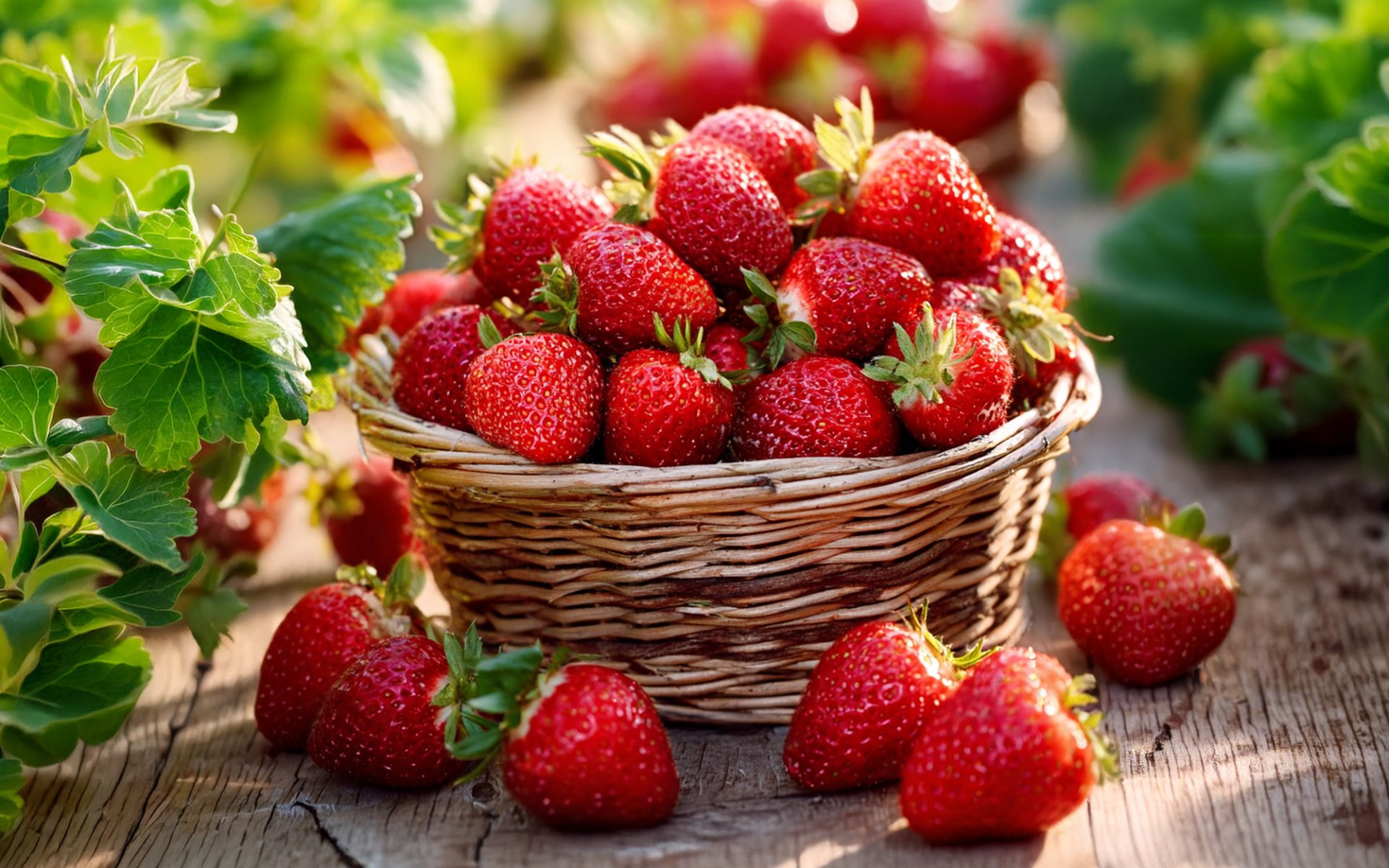
Strawberries are one of the most widely loved fruits around the world. However, their flavor and quality are not consistent throughout the year. Seasonal differences directly affect sweetness, aroma, texture, and nutritional value.
Strawberries grown in their natural season benefit from the most suitable environmental conditions for growth, including optimal temperatures and balanced humidity levels. These factors play a crucial role in promoting the accumulation of natural sugars, resulting in strawberries with higher Brix values (a measurement used to indicate fruit sweetness) compared to off-season strawberries.
Strawberry Season in Thailand and Ideal Growing Regions
In Thailand, the strawberry season typically falls during the winter months, from November to February. Major growing areas are located in the northern regions, such as Chiang Mai, Chiang Rai, and Mae Hong Son, where the climate is cool and well suited to strawberry cultivation.Optimal Temperature Conditions and Flavor Development
During this period, average temperatures range between 15–25°C, which is considered optimal for strawberry growth. These favorable conditions allow strawberries to develop a distinctly sweet flavor, a fresh and pleasant aroma, and a firm, crisp texture—qualities that are noticeably superior to strawberries grown outside their natural season.Strawberry Seasons in the Northern Hemisphere
In countries located in the Northern Hemisphere, such as the United States, many European nations, and Japan, strawberry season typically occurs from late spring to early summer, roughly between April and June. During this time, the climate provides sufficient sunlight and moderate temperatures, enabling strawberries to ripen properly and develop vibrant color, sweetness, and aroma.Strawberry Seasons in the Southern Hemisphere
For countries in the Southern Hemisphere, such as Australia, New Zealand, and Chile, strawberry season usually runs from October to March, corresponding to spring and summer in that region. Strawberries harvested during this time are likewise known for their high quality, juicy sweetness, and suitability for fresh consumption.Why Are Seasonal Strawberries Higher in Quality?
Environmental Conditions and Natural Sugar AccumulationStrawberries grown in their natural season benefit from the most suitable environmental conditions for growth, including optimal temperatures and balanced humidity levels. These factors play a crucial role in promoting the accumulation of natural sugars, resulting in strawberries with higher Brix values (a measurement used to indicate fruit sweetness) compared to off-season strawberries.
Cell Structure, Texture, and Post-Harvest Quality
When strawberries grow under ideal conditions, their cellular structure develops more completely and remains strong. This leads to a firm, juicy texture that holds its shape well, unlike off-season strawberries, which often have overly soft flesh and bruise easily due to less favorable growing environments.Importance of Ripeness at Harvest
Another important factor is that strawberries do not continue to ripen significantly after harvest. As a result, “ripeness at harvest” largely determines their final flavor. If strawberries are picked before reaching full maturity, their color may deepen slightly after harvest, but their sweetness and aroma will not develop to the same extent as fruit that ripens fully on the plant.Anthocyanins, Color, and Nutritional Value
In addition, optimal growing conditions enable strawberries to synthesize anthocyanins more efficiently. Anthocyanins are natural pigments responsible for the fruit’s bright red color and are also powerful antioxidants. Therefore, the vibrant, even red color of seasonal strawberries is not only an indicator of ripeness but also reflects a higher concentration of beneficial antioxidant compounds, which contribute significantly to their nutritional value and health benefits. Tags :
Related Content