Cuttlefish Ink
Last updated: 14 Jan 2026
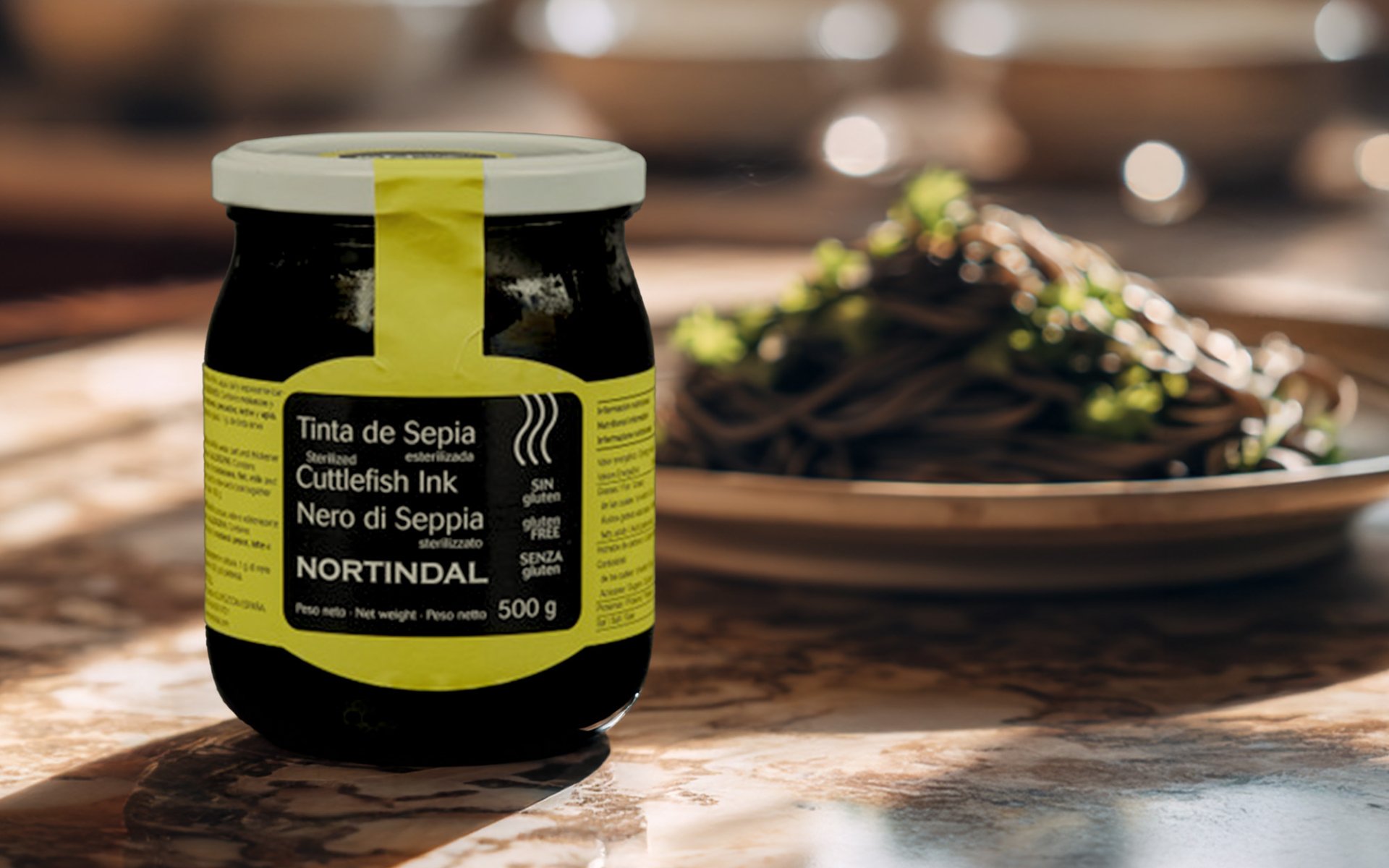
Cuttlefish Ink is a deep black liquid produced naturally by cuttlefish as a defensive mechanism. In culinary applications, however, this ink is highly valued for its well-balanced flavor and distinctive briny aroma reminiscent of the sea. As a result, it is widely used in a variety of dishes—most notably pasta and risotto—to enhance both visual appeal and depth of flavor.
Early Culinary Use in Ancient Mediterranean Civilizations
Historical evidence suggests that ancient Greek and Roman civilizations had been using cuttlefish ink in cooking for more than 2,000 years, particularly in the Mediterranean region, where cuttlefish were abundant.Written Records by Roman Scholars
Roman writers and scholars such as Pliny the Elder documented the culinary use of cuttlefish ink in their writings. These records reflect an early understanding that cuttlefish ink was not merely a byproduct of marine life, but a valuable resource with diverse applications.The Earliest Non-Culinary Uses of Cuttlefish Ink
Before its use as a culinary ingredient, ancient Greeks employed cuttlefish ink as a writing medium for documentation and record-keeping. This practice represents one of the earliest known uses of cuttlefish ink in human history.Expansion of Culinary Use During the Middle Ages
During the Middle Ages, the culinary use of cuttlefish ink became more widespread, especially in coastal countries such as Italy, Spain, and Portugal. It was commonly simmered with rice, pasta, or various types of seafood to enrich dishes with both color and flavor.Spaghetti al Nero di Seppia: One of the Oldest Ink-Based Dishes
One of the oldest dishes featuring cuttlefish ink is Spaghetti al Nero di Seppia, a traditional local specialty originating from Sicily in southern Italy.Arroz Negro: Spain’s Iconic Cuttlefish Ink Rice
In Spain, a well-known dish is Arroz Negro or Arròs Negre, a rice dish colored with cuttlefish ink and typically served with seafood. This dish is especially popular in the regions of Valencia and Catalonia.The Spread of Cuttlefish Ink in Asian Cuisines
Although the culinary use of cuttlefish ink originated in the Mediterranean, it is also utilized in Japan, China, and Southeast Asian countries. In Japan, cuttlefish ink is commonly used in various seafood preparations, including black ink sauces and regional traditional dishes. In China and Southeast Asia, it is often incorporated into local cuisine or seafood dishes that emphasize rich, robust flavors.Traditional Methods of Producing Culinary-Grade Cuttlefish Ink
The production of cuttlefish ink for culinary purposes requires considerable skill and expertise. The process begins with carefully extracting the ink sac from the cuttlefish to prevent rupture. The ink is then strained through fine sieves to remove impurities and tissue residue, before being processed to achieve a suitable consistency for cooking applications.Nutritional and Chemical Composition of Cuttlefish Ink
A key component of cuttlefish ink is melanin, the natural pigment responsible for its intense black color. It is also rich in amino acids, particularly glutamate, which contributes to its umami flavor. Additionally, cuttlefish ink contains essential minerals such as iron, copper, and potassium, as well as various enzymes. These components make cuttlefish ink not only a coloring agent but also a nutritionally valuable ingredient.Why Cuttlefish Ink Is Preferred Over Other Types of Squid Ink
In practice, there are several types of seafood ink, often collectively referred to as “squid ink.” However, the ink most commonly used in commercial culinary applications is derived from cuttlefish. For this reason, it is more accurately referred to as “cuttlefish ink.” Compared to ink from other squid species, cuttlefish ink offers a milder, more balanced flavor profile with a smoother mouthfeel, making it particularly well suited for refined cuisine.Creative Uses Beyond Savory Dishes
Beyond savory dishes, cuttlefish ink has also been used creatively in desserts. In some cultures, it appears in uniquely flavored ice creams, as well as cakes and cookies, where it lends a striking black color and a distinctive character.Recommended Pairings and Professional Usage Guidelines
Ingredients that pair particularly well with cuttlefish ink include rice, pasta dough, and various sauces, as these bases effectively absorb both its color and umami flavor. Professional chefs typically use cuttlefish ink sparingly—about half to two teaspoons per serving—due to its highly concentrated flavor. Tags :