The Wisconsin Difference : What Sets Their Cheese Apart
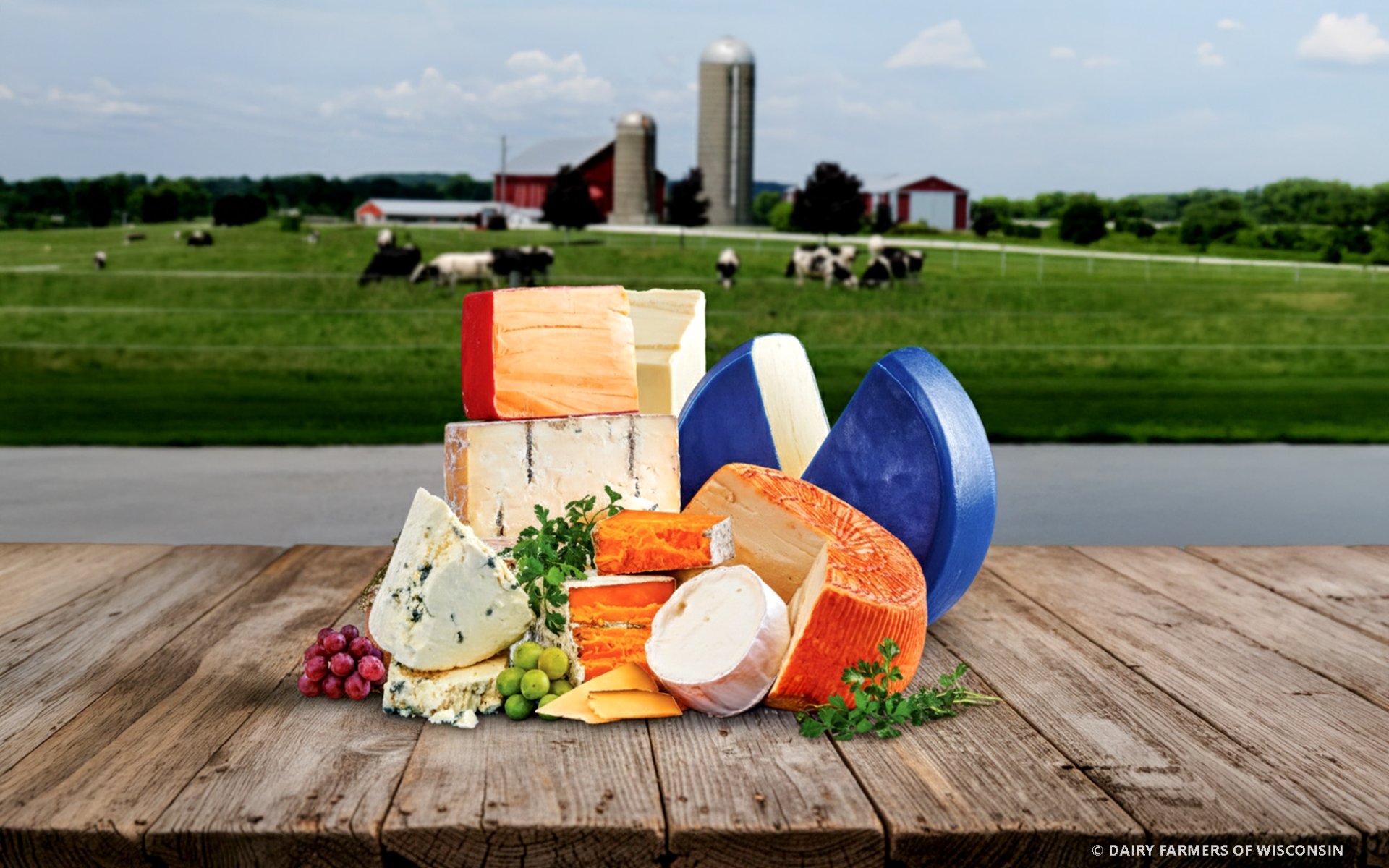
Wisconsin as a Global Leader in High-Quality Cheese
The state of Wisconsin, USA, is internationally recognized as one of the world’s leading producers of high-quality cheese—standing shoulder to shoulder with renowned cheeses from Europe. While European cheeses are deeply rooted in centuries of history, Wisconsin has successfully developed its own distinct identity and production standards, earning the well-known nickname “America’s Dairyland.”Geography and Environment Supporting Dairy Farming
Located in the Midwestern United States, Wisconsin benefits from geography and environmental conditions that are exceptionally well suited to dairy farming. Its relatively cool climate throughout much of the year, fertile grasslands, and abundant sources of clean water create ideal conditions for raising high-quality dairy cattle—an essential foundation for producing premium cheese.Wisconsin as the Largest Cheese-Producing State in the U.S.
Today, Wisconsin is the largest cheese-producing state in the United States, accounting for nearly one-quarter of the nation’s total cheese production. The state produces more than 600 varieties of cheese, ranging from popular styles such as Cheddar, Mozzarella, Colby, and Monterey Jack, to European-inspired cheeses including Gruyère, Gouda, and Blue Cheese.European Roots of Wisconsin’s Cheese-Making Culture
Although Wisconsin is firmly American in location, the roots of its cheese-making culture are deeply connected to Europe. During the 19th century, immigrants from countries such as Germany, Switzerland, Norway, and the Netherlands settled in Wisconsin, bringing with them generations of knowledge in dairy farming and traditional cheese-making techniques.Early Influence of Traditional European Cheese Techniques
As a result, early cheese production in Wisconsin was heavily influenced by European methods—such as cheese aging, precise temperature control, the use of starter cultures, and meticulous attention to milk quality.Adaptation and Innovation in Wisconsin Cheese Production
However, when this European knowledge was adapted to Wisconsin’s local environment, raw materials, and American consumer preferences, it became a catalyst for innovation. Cheese producers in Wisconsin gradually developed distinctive styles that clearly diverged from their European origins while maintaining technical excellence.A Difference in Philosophy: Tradition Meets Innovation
Raw Milk Quality as the Foundation of Wisconsin Cheese
One of the most defining factors behind Wisconsin cheese is the quality of raw milk. The state enforces exceptionally strict hygiene and milk-quality standards. Most dairy farms are family-owned operations, passed down through generations, fostering a deep sense of responsibility and attention to detail in milk production.Nutritional Management and Milk Consistency
In addition, dairy cows in Wisconsin are managed under carefully controlled nutritional programs—covering feed, health, and living conditions—to ensure milk contains optimal levels of fat, protein, and essential minerals for cheese-making. These factors result in cheeses with clean flavors, consistent textures, and uniform quality across production batches.Year-Round Consistency Compared to European Regions
Compared to many European regions, where milk quality can vary significantly due to seasonal and environmental factors, Wisconsin holds a key advantage in year-round consistency, allowing producers to precisely control cheese characteristics throughout the entire year.Rigorous Quality Control Standards in Wisconsin
Another hallmark of Wisconsin cheese is its rigorous quality control system, which is more stringent than in any other U.S. state. Wisconsin is the only state where all commercial cheese production must be supervised by licensed master cheesemakers. This legal requirement ensures that every step of production is overseen by trained and certified professionals.Wisconsin’s Official Cheese Grading System
Wisconsin was also the first U.S. state to establish an official cheese grading system. Cheeses are evaluated and classified based on quality, with the highest designation being Wisconsin Certified Premium Grade AA, a benchmark for premium excellence.Criteria for Evaluating Cheese Quality
Each cheese type is assessed using criteria tailored to its unique characteristics—such as flavor, texture, appearance, and consistency. This grading system guarantees that Wisconsin-certified cheeses meet the highest and most demanding standards.How Wisconsin Cheese Differs from European Systems
Traditional European AOC and PDO Standards
Although Wisconsin cheese-making is rooted in European tradition, several key distinctions set it apart:In many European regions, systems such as AOC (Appellation d’Origine Contrôlée) or PDO (Protected Designation of Origin) emphasize preserving tradition through strict geographic boundaries and prescribed production methods.
Science-Based Quality Grading in Wisconsin
Wisconsin, by contrast, relies on a science-based quality grading system rather than geographic constraints alone. This approach allows for greater flexibility and encourages innovation. Cheesemakers frequently experiment with milk from different animals—such as cow, sheep, and goat milk—to create complex and original flavor profiles.
Origin of Unique American Cheese Varieties
These conditions have led to the creation of uniquely American cheeses with no direct European counterparts, such as Colby Cheese, which originated in the town of Colby, and Brick Cheese, known for its distinctive texture and flavor.
International Success of Wisconsin Cheese
Over the past several decades, Wisconsin cheeses have earned numerous international awards, particularly since 1995, underscoring the state’s ability to maintain world-class quality on a consistent basis.
Achievements at the World Championship Cheese Contest
At the most recent World Championship Cheese Contest, seven cheeses from Wisconsin ranked among the top 20 cheeses in the world, further reinforcing the state’s global reputation for excellence.
Pleasant Ridge Reserve as an Award-Winning Example
One of the most celebrated examples is Pleasant Ridge Reserve from Uplands Cheese. This Alpine-style cheese has won so many awards that it is widely regarded as one of the most awarded cheeses in U.S. history. It is made from raw milk produced by grass-fed cows during the summer season and incorporates milk from nine different cow breeds, resulting in remarkable depth and complexity of flavor.
Wisconsin Cheese Industry by the Numbers
Today, Wisconsin is home to more than 35,000 dairy farms, collectively managing approximately 1.8 million dairy cows. On average, each cow produces around 13,500 pounds of milk per year, making Wisconsin one of the most efficient dairy-producing states in the country.
Wisconsin’s Role as the Center of U.S. Cheese Production
Approximately 74% of this milk is used for cheese production, enabling Wisconsin to produce up to 2 billion pounds of cheese annually—representing roughly 30% of total U.S. cheese production.
These figures clearly illustrate Wisconsin’s pivotal role as the center of the American cheese industry and a global benchmark for quality, innovation, and consistency in cheese production.