Pecorino Grotta
Last updated: 26 Jan 2026
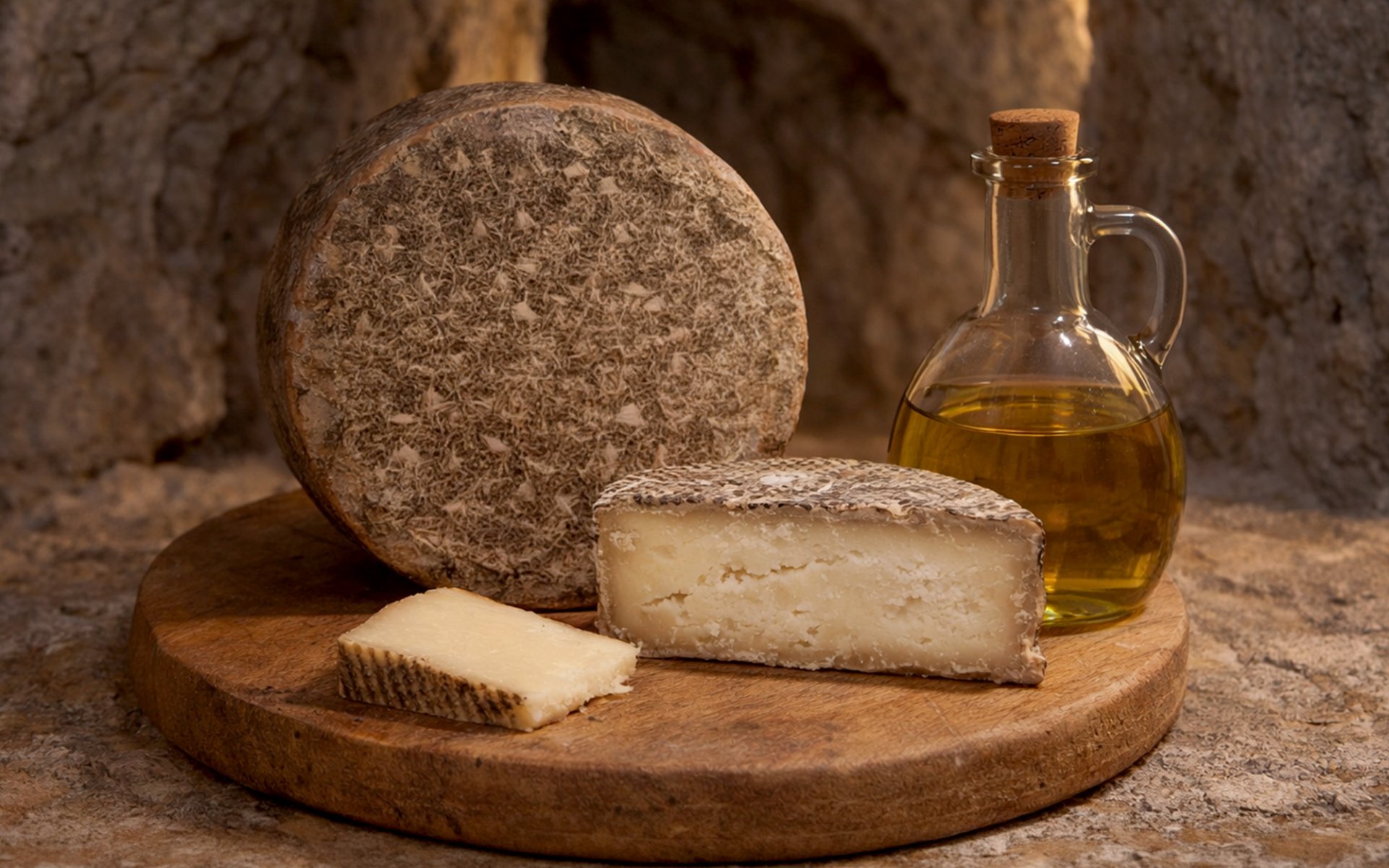
Pecorino Grotta, or Pecorino di Grotta, is a distinctive Italian sheep’s milk cheese renowned for its traditional aging process in natural caves. The stable environment of these caves—characterized by consistent temperature and humidity—gives the cheese its semi-hard, compact texture and notably intense character.
The Meaning Behind the Name Pecorino Grotta
The word “Pecorino” comes from the Italian pecora, meaning sheep, and refers to cheeses made from 100% sheep’s milk. “Grotta” translates directly as “cave.” Together, the name Pecorino Grotta signifies a Pecorino cheese that has been aged in caves.Ancient Roman Origins of Sheep’s Milk Cheesemaking
Cheesemaking with sheep’s milk in Italy dates back to ancient Roman times. Historical references appear in the writings of Roman scholars such as Pliny the Elder, who documented the production of sheep’s milk cheeses in central and southern Italy. The Romans were highly advanced in systematic cheesemaking, using milk from cows, goats, and sheep, and experimenting with varied aging environments and durations to produce cheeses with distinct flavors, textures, and identities.The Role of Caves Before Refrigeration
Aging cheese in caves was an essential technique in eras before refrigeration. Natural caves provided an ideal setting to control temperature and protect cheeses while they matured. These environments offered several advantages: cool and stable temperatures year-round, darkness free from light and heat, and consistently high humidity. Such conditions foster the development of beneficial microorganisms and molds that not only protect the cheese from external contamination but also play a crucial role in shaping its aroma, flavor, and texture.Tuscany and the Spread of Cave-Aged Pecorino
Over time, cave-aging techniques spread widely, particularly in Tuscany, a region rich in natural limestone caves and deeply rooted in sheep farming traditions. This combination of geography and pastoral culture made Tuscany a natural home for cave-aged Pecorino cheeses.The Traditional Production Process of Pecorino Grotta
The production of Pecorino Grotta begins with traditional sheep’s milk Pecorino. Once the cheese is formed and begins to firm, it is transferred to caves for aging. Typical aging periods range from 60 to 90 days, depending on the producer’s style and philosophy. In some cases, Pecorino Grotta may be aged for a year or longer, resulting in deeper, more complex, and intense flavors.Aging Techniques and the Use of Olive Oil
During aging, the cheese wheels are placed on wooden boards, regularly turned, and rubbed with olive oil. This practice helps protect the rind from excessive moisture loss and shields the interior from external conditions. Olive oil also imparts subtle aromatic notes and enhances the overall complexity of the cheese, reinforcing the distinctive character developed through cave aging.Appearance and Texture of Pecorino Grotta
One of the defining features of Pecorino Grotta is its appearance. The rind is typically dark brown, firm, and rugged, while the interior has a semi-hard yet crumbly texture. The paste ranges in color from pale ivory to light yellow, with deeper hues developing as aging progresses.Flavor Profile of Cave-Aged Sheep’s Milk Cheese
In terms of flavor, Pecorino Grotta is rich and expressive, combining buttery saltiness with earthy and nutty notes—a signature profile created by maturation in natural caves. These characteristics make it a favorite among cheese enthusiasts seeking bold yet balanced flavors.Traditional Pairings with Pecorino Grotta
Traditionally, Pecorino Grotta is enjoyed with honey, dried fruits, or full-bodied red wines, which highlight the cheese’s complexity. It also pairs well with robust beers, particularly Belgian ales or brown ales, whose depth complements the cheese’s intensity.Culinary Uses of Pecorino Grotta
In cooking, Pecorino Grotta is versatile. It can be grated over pasta, risotto, or salads, or served as an accompaniment to soups and main dishes. In Tuscany, it is often presented as a side element that enhances and completes a meal.Preserving the Tradition of Cave-Aged Cheese Today
Today, many Tuscan cheesemakers continue the tradition of cave aging, adhering closely to time-honored methods. They still use ancient caves and carefully selected sheep’s milk sourced from local farms, preserving the authenticity and heritage of Pecorino Grotta. Tags :
Related Content