Salmon Freshness
Last updated: 11 Feb 2026
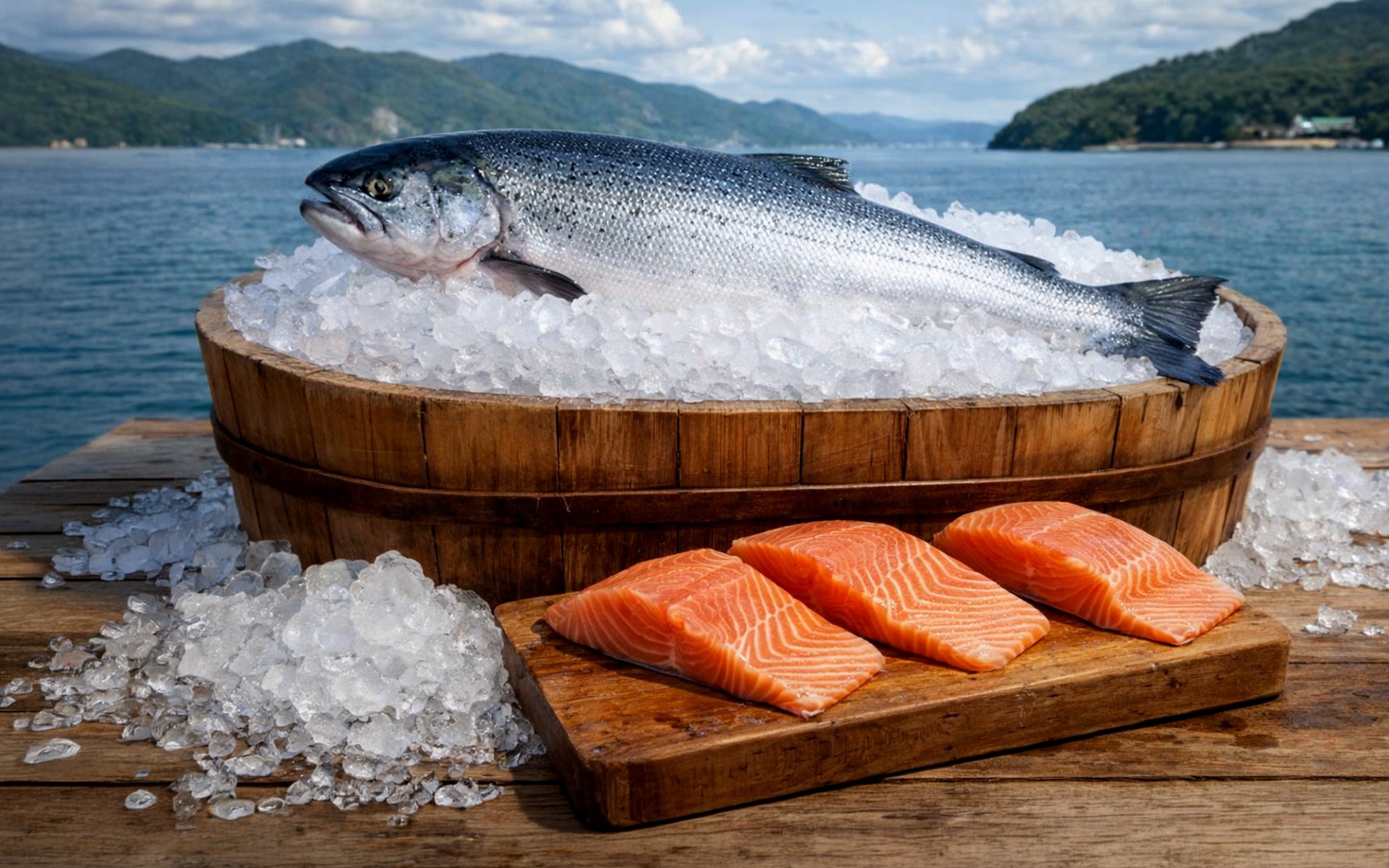
Salmon is one of the most popular seafood ingredients worldwide. It is prized for its distinctive flavor, rich nutritional value, and versatility in a wide range of culinary applications.
However, the key factor that differentiates one piece of salmon from another is not only the species or its origin, but most importantly, its freshness. Freshness is the true foundation of premium-quality salmon.
The freshness of salmon directly affects its taste, texture, aroma, and food safety. Fresh salmon should have firm flesh, a naturally vibrant and even color ranging from light orange to deep reddish-orange depending on the species. The surface should appear moist and glossy, without any abnormal fishy odor.
In contrast, salmon that has been stored for too long or improperly temperature-controlled may appear mushy, pale, or dull in color, with darkened edges and an off-putting smell that signals deterioration.
Sockeye offers a bold, intense flavor with a clear expression of its natural origin. Its texture is firm yet not tough, and it contains less fat than farmed varieties. This makes it an excellent choice for those who appreciate a more robust and authentic salmon taste.
However, the key factor that differentiates one piece of salmon from another is not only the species or its origin, but most importantly, its freshness. Freshness is the true foundation of premium-quality salmon.
The freshness of salmon directly affects its taste, texture, aroma, and food safety. Fresh salmon should have firm flesh, a naturally vibrant and even color ranging from light orange to deep reddish-orange depending on the species. The surface should appear moist and glossy, without any abnormal fishy odor.
In contrast, salmon that has been stored for too long or improperly temperature-controlled may appear mushy, pale, or dull in color, with darkened edges and an off-putting smell that signals deterioration.
Why Choosing Salmon in Person Makes a Difference
While product images may provide a general impression, they cannot fully convey the details that reflect true freshness. Selecting salmon in person at the store allows customers to evaluate quality more comprehensively through several key indicators:- Color of the flesh: Fresh salmon should display a natural, even tone without discoloration or fading.
- Fat marbling: Beautiful, fine white fat lines indicate juiciness and a rich mouthfeel.
- Firmness: Fresh salmon appears dense and holds its structure well. It should not easily separate into layers.
- Moisture and sheen: The surface should look slightly glossy and hydrated, not dry or dull.
Popular Salmon Varieties Available at Rimping
Aomori Salmon (Japan)
Aomori Salmon is carefully farmed in Japan under strict water quality and temperature controls. Its flesh is finely textured with a beautifully consistent color. The fat marbling is delicate and evenly distributed rather than overly thick. It offers a clean taste with a natural sweetness, making it ideal for sashimi and sushi.Norwegian Salmon
Widely recognized internationally, Norwegian Salmon is known for its high farming standards. It features striking fat marbling and a bright orange color. The natural oil gives the surface a glossy appearance. Its texture is exceptionally tender, almost melting in the mouth, with a signature rich aroma. It is suitable for both raw preparations such as sashimi and sushi, as well as a variety of cooked dishes.Tasmanian Salmon (Australia)
Sourced from the cold, pristine waters of Tasmania, this salmon is known for its firm texture, clean flavor, and low fishy aroma. It typically has a deeper color due to nutrients found in its natural environment. With a fuller and more robust mouthfeel, Tasmanian Salmon is ideal for those who prefer a richer, more pronounced salmon flavor.Sockeye Salmon (Wild-Caught)
Sockeye Salmon stands apart from farmed varieties, as it is primarily wild-caught from natural waters in regions such as Alaska and Canada. Its most distinctive characteristic is its deep reddish-orange flesh, derived from naturally occurring astaxanthin in its marine diet.Sockeye offers a bold, intense flavor with a clear expression of its natural origin. Its texture is firm yet not tough, and it contains less fat than farmed varieties. This makes it an excellent choice for those who appreciate a more robust and authentic salmon taste.
Tags :
Related Content