Real Food Movement
Last updated: 24 Feb 2026
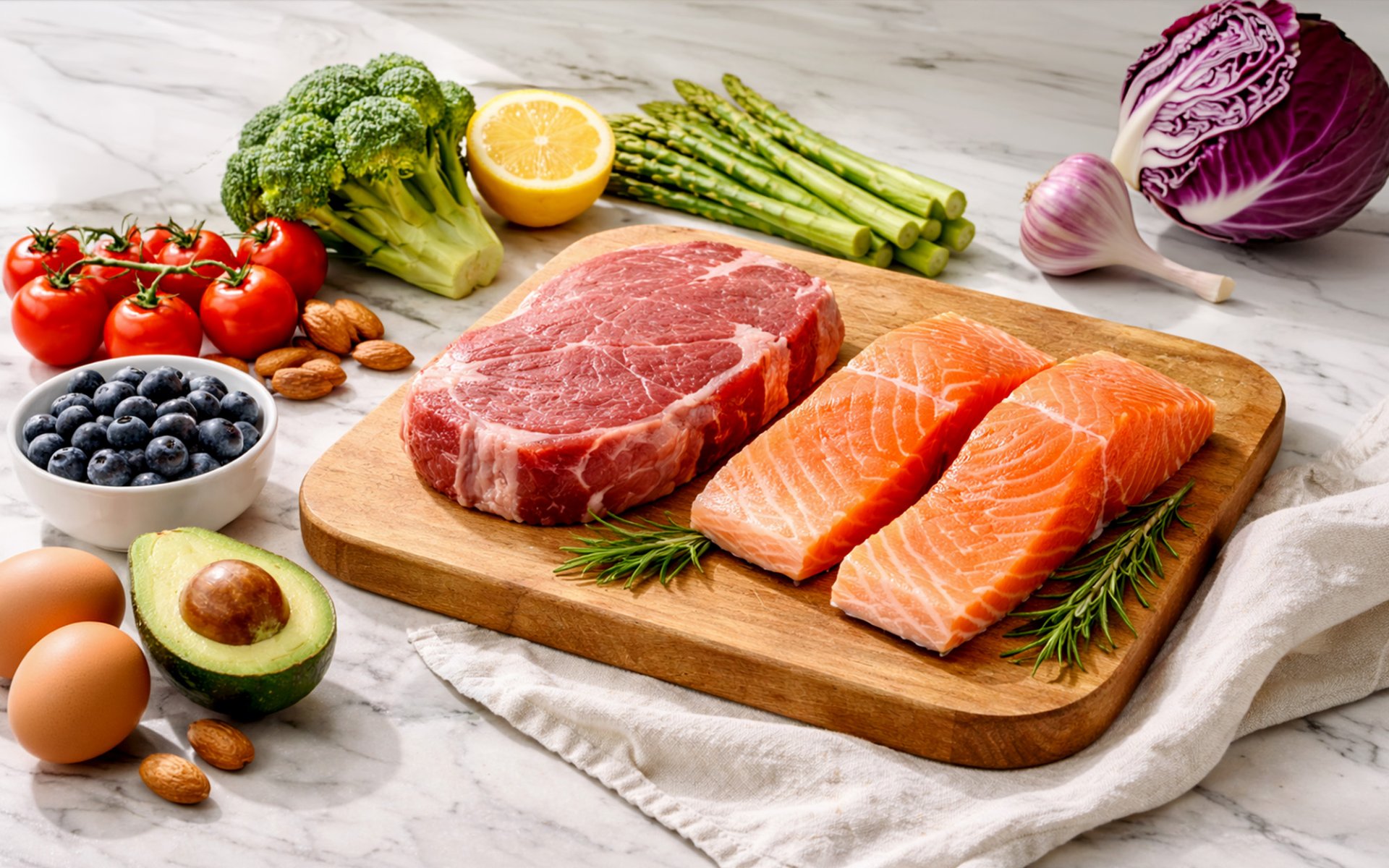
The Real Food Movement is a social and nutritional movement that encourages people to consume “real food” — food that remains as close to its natural state as possible, undergoes minimal processing, and is free from synthetic chemical additives.
Although the term “Real Food Movement” has gained widespread popularity in recent years, the foundations of this concept have been developing over several decades. Its evolution is closely connected to various social, economic, and environmental movements throughout modern history.
The book not only sparked debate within academic and policy circles, but also fueled broader environmental movements. It became one of the key foundations of the organic agriculture movement, which continues to gain momentum today.
The movement introduced the guiding principle of “Good, Clean, and Fair” food — meaning that food should be high in quality and flavor, produced in ways that do not harm the environment, and equitable for producers, consumers, and workers alike.
As these ideas converged, they formed a clearer and more cohesive concept known as the “Real Food Movement,” which continues to grow and evolve today.
Research published in journals such as The BMJ and The Lancet indicates that high consumption of ultra-processed foods is associated with an increased risk of obesity, cardiovascular disease, and depression. As a result, many consumers are shifting toward foods that are closer to their natural state in order to reduce these health risks.
This approach has inspired many consumers to become more mindful and intentional in their food choices.
However, ultra-processed foods typically undergo multiple industrial steps and contain numerous additives. They often have the following characteristics:
The Real Food Movement does not reject food technology altogether. Instead, it promotes the responsible use of technology while reducing unnecessary reliance on heavily industrialized food processes. It emphasizes ingredients that are natural, transparent in origin, and rich in nutritional value.
Although the term “Real Food Movement” has gained widespread popularity in recent years, the foundations of this concept have been developing over several decades. Its evolution is closely connected to various social, economic, and environmental movements throughout modern history.
The Organic Food Movement
During the 1960s and 1970s, public awareness began to rise significantly regarding the health and environmental impacts of agricultural chemicals. Rachel Carson’s book Silent Spring, published in 1962, played a pivotal role in raising awareness about the dangers of pesticides, particularly DDT, which was widely used at the time.The book not only sparked debate within academic and policy circles, but also fueled broader environmental movements. It became one of the key foundations of the organic agriculture movement, which continues to gain momentum today.
The Slow Food Movement
The Slow Food Movement was founded in Italy in 1986 with the objective of preserving local food traditions, protecting culinary heritage, and supporting small-scale farmers in the face of expanding industrial food systems.The movement introduced the guiding principle of “Good, Clean, and Fair” food — meaning that food should be high in quality and flavor, produced in ways that do not harm the environment, and equitable for producers, consumers, and workers alike.
Criticism of the Industrial Food System
In the early 21st century, numerous books and documentaries began questioning the structure of the modern industrial food system. One of the most influential works was The Omnivore’s Dilemma by Michael Pollan, which highlighted the complexity of food supply chains and examined the impacts of industrial food production on health, the environment, and small-scale farmers.As these ideas converged, they formed a clearer and more cohesive concept known as the “Real Food Movement,” which continues to grow and evolve today.
Why Has the Real Food Movement Become So Popular?
Growing Health Concerns
One of the key drivers behind the growth of the Real Food Movement is the increasing global awareness of health issues. The World Health Organization (WHO) reports that non-communicable diseases (NCDs), such as heart disease, diabetes, and obesity, are leading causes of death worldwide and are closely linked to unhealthy dietary behaviors.Research published in journals such as The BMJ and The Lancet indicates that high consumption of ultra-processed foods is associated with an increased risk of obesity, cardiovascular disease, and depression. As a result, many consumers are shifting toward foods that are closer to their natural state in order to reduce these health risks.
Increased Awareness of Food Labels and Ingredients
In the past, many consumers paid little attention to nutrition labels. Today, however, there is a clear rise in label-reading behavior — especially among younger generations who want to understand where their food comes from and what ingredients it contains.The Influence of Social Media
Social media plays a significant role in spreading information about nutrition, natural eating habits, and healthy recipes. Many health and nutrition influencers advocate for cooking at home using fresh ingredients, reducing reliance on processed foods, and choosing simple, recognizable components.This approach has inspired many consumers to become more mindful and intentional in their food choices.
The Impact of the COVID-19 Pandemic
Following the COVID-19 pandemic, people have become more attentive to immune health and long-term well-being. Many families began cooking at home more frequently and developed a deeper appreciation for fresh ingredients. As a result, the principles of the Real Food Movement gained broader acceptance.Core Principles of the Real Food Movement
In general, “Real Food” refers to food with the following characteristics:- Ingredients that are close to their natural state, such as vegetables, fruits, whole grains, legumes, nuts, seeds, and minimally processed meats
- No complex ingredient lists or excessive additives, especially chemical-sounding substances unfamiliar to the average consumer
- Transparent production processes, with traceable sources and clear manufacturing methods
- Not classified as ultra-processed industrial food products
The Difference Between Real Food and Processed Food
Food processing does not automatically mean that a product is unhealthy. In many cases, processing plays an essential role in ensuring food safety and quality. For example, pasteurizing milk reduces the risk of harmful microorganisms, while freezing fruits and vegetables can extend shelf life and preserve nutritional value effectively. Such forms of processing are both beneficial and necessary.However, ultra-processed foods typically undergo multiple industrial steps and contain numerous additives. They often have the following characteristics:
- High levels of sugar and fat
- Excessive sodium
- Added artificial flavors, colors, sweeteners, and stabilizers
- Low levels of fiber and naturally occurring nutrients
The Real Food Movement does not reject food technology altogether. Instead, it promotes the responsible use of technology while reducing unnecessary reliance on heavily industrialized food processes. It emphasizes ingredients that are natural, transparent in origin, and rich in nutritional value.
Tags :
Related Content



The Art of Wine Pairing with Salmon : Understanding the Unique Appeal of Salmon