High-Fiber Revival
Last updated: 2 Mar 2026
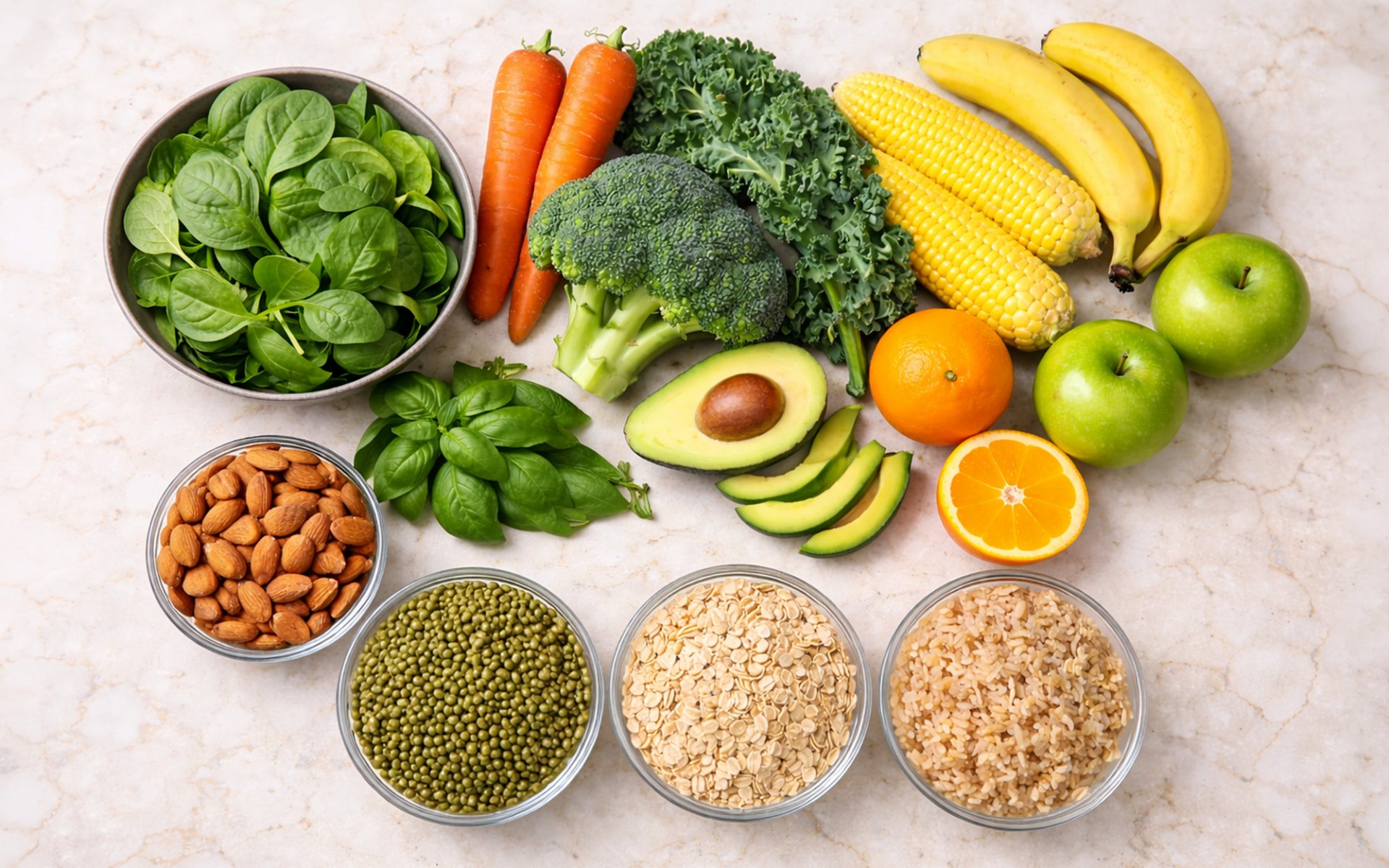
High-Fiber Revival is a health-focused concept that emphasizes increasing dietary fiber intake to restore digestive balance and support the optimal function of gut microbiota. This approach contributes to weight management, improved blood sugar control, and enhanced immune function.
The concept of High-Fiber Revival is not new. Rather, it represents a return to traditional dietary wisdom, now explained and supported by modern scientific knowledge. Historically, human diets were largely based on vegetables, whole grains, and legumes, naturally providing high amounts of dietary fiber.
However, with the advent of the Industrial Revolution, processed foods gradually replaced many traditional dietary patterns. The food industry began prioritizing convenience, palatability, and extended shelf life. As a result, raw ingredients were often modified to suit large-scale distribution systems.
For example, grains were refined to achieve a softer texture and reduce the risk of rancidity caused by natural oils in the germ. While this process extended product shelf life, it also removed significant amounts of dietary fiber, B vitamins, and essential minerals. Consequently, the nutritional value of refined grains declined compared to their traditional whole-grain forms.
A major risk factor for these conditions is a diet high in calories but low in fiber. Increasing daily fiber intake is therefore strongly supported by scientific evidence as a preventive health strategy.
Such shifts in eating behavior are not solely about reducing meat consumption or avoiding industrialized foods. They reflect broader awareness of food quality and long-term health impacts. As a result, dietary fiber has become a central component of modern nutritional strategies focused on balance, gut health, and chronic disease prevention.
High-Fiber Revival is not merely a temporary health trend. It represents a broader nutritional awakening in contemporary society — a renewed appreciation for the body’s natural balance through everyday dietary choices.
The concept of High-Fiber Revival is not new. Rather, it represents a return to traditional dietary wisdom, now explained and supported by modern scientific knowledge. Historically, human diets were largely based on vegetables, whole grains, and legumes, naturally providing high amounts of dietary fiber.
However, with the advent of the Industrial Revolution, processed foods gradually replaced many traditional dietary patterns. The food industry began prioritizing convenience, palatability, and extended shelf life. As a result, raw ingredients were often modified to suit large-scale distribution systems.
For example, grains were refined to achieve a softer texture and reduce the risk of rancidity caused by natural oils in the germ. While this process extended product shelf life, it also removed significant amounts of dietary fiber, B vitamins, and essential minerals. Consequently, the nutritional value of refined grains declined compared to their traditional whole-grain forms.
What Is Dietary Fiber?
Dietary fiber refers to plant components that the human body cannot digest or absorb in the small intestine. Although fiber does not directly provide energy, it plays a crucial role in digestive function and overall health. In general, dietary fiber is categorized into two main types:1. Soluble Fiber
Soluble fiber is found in oats, beans, legumes, apples, flaxseeds, and certain fruits. When combined with water, it forms a gel-like substance within the digestive tract. This mechanism slows digestion and the absorption of sugar into the bloodstream, helping stabilize blood glucose levels. Soluble fiber also supports heart health by reducing cholesterol absorption.2. Insoluble Fiber
Insoluble fiber is present in whole grains, leafy green vegetables, fruit peels, and rice bran. It does not dissolve in water but adds bulk to stool and stimulates bowel movements. This promotes efficient digestive function and reduces the risk of constipation.Recommended Intake and Current Challenges
The World Health Organization (WHO) and nutrition associations in many countries recommend that adult men consume at least 38 grams of fiber per day, while adult women should consume at least 25 grams daily. However, nutritional surveys in numerous countries, including Thailand, indicate that most populations consume less fiber than recommended — particularly individuals whose diets are dominated by processed foods and fast food.Factors Driving the High-Fiber Revival Trend
1. Research on the Gut Microbiome
One major factor contributing to renewed interest in fiber is the growing body of research on the gut microbiome. Gut microorganisms play a significant role in various aspects of health. Many types of dietary fiber function as prebiotics — serving as food for beneficial gut bacteria. This supports microbial growth, diversity, and overall gut health.2. The Rise of Non-Communicable Diseases
Obesity, diabetes, and cardiovascular disease continue to rise globally. According to the WHO (2022), non-communicable diseases account for more than 70% of global deaths, reflecting a significant public health challenge.A major risk factor for these conditions is a diet high in calories but low in fiber. Increasing daily fiber intake is therefore strongly supported by scientific evidence as a preventive health strategy.
3. The Influence of Real Food and Plant-Based Movements
The Real Food Movement and plant-based dietary approaches advocate for consuming minimally processed, natural foods while avoiding unnecessary additives. These dietary patterns are typically rich in fiber, including vegetables, fruits, whole grains, legumes, nuts, and seeds.Such shifts in eating behavior are not solely about reducing meat consumption or avoiding industrialized foods. They reflect broader awareness of food quality and long-term health impacts. As a result, dietary fiber has become a central component of modern nutritional strategies focused on balance, gut health, and chronic disease prevention.
Practical Considerations for Adopting High-Fiber Revival
Although dietary fiber offers extensive health benefits, transitioning to a high-fiber diet should be done thoughtfully to minimize potential side effects.1. Gradual Adjustment
Rapidly increasing fiber intake may lead to bloating, gas, or abdominal discomfort, as gut bacteria require time to adapt. It is advisable to increase fiber gradually over one to two weeks, allowing the digestive system to adjust.2. Adequate Hydration
Fiber — particularly soluble fiber — requires sufficient water to function effectively. Consuming high amounts of fiber without adequate hydration may result in constipation or abdominal discomfort.3. Variety of Fiber Sources
The core principle of High-Fiber Revival is not to consume a single type of fiber repeatedly, but to obtain fiber from diverse sources such as whole grains, legumes, vegetables, fruits, nuts, and seeds. Dietary diversity supports greater microbial diversity in the gut, which is directly linked to overall health.High-Fiber Revival is not merely a temporary health trend. It represents a broader nutritional awakening in contemporary society — a renewed appreciation for the body’s natural balance through everyday dietary choices.
Tags :
Related Content

Milk & Brain Health : The Relationship Between Milk Consumption and Brain Health

The Art of Chinese Tea Brewing: The Cultural Significance of Tea and Its Connection to Chinese New Year

Gut-Friendly Food: An In-Depth Look at Foods That Support Gut Health — The Core of Immunity and Holistic Well-Being