Paleo Diet
Last updated: 20 Mar 2026
Rethinking Modern Diets in an Era of Processed Foods
In today’s world, where food technology has advanced significantly, people can easily access processed foods that are quick and convenient. However, at the same time, the prevalence of non-communicable diseases (NCDs)—such as diabetes, heart disease, and obesity—has increased at an alarming rate. This situation has led many nutritionists and health-conscious individuals to question what type of diet the human body was originally designed to consume.One widely discussed answer is the Paleo Diet, often referred to as the “Stone Age Diet.” This dietary approach is based on the idea of adjusting modern eating habits to resemble the way humans ate before the development of agriculture, emphasizing natural, unprocessed foods while avoiding industrially processed foods that emerged in modern times.
The Origins of the Paleo Diet Concept
The concept of the Paleo Diet was first introduced by Dr. Walter Voegtlin, an American gastroenterologist, in his book The Stone Age Diet, published in 1975. In the book, he proposed that humans share biological similarities with carnivorous animals and therefore should consume foods similar to those eaten by prehistoric human ancestors.Later, in 1985, anthropologist S. Boyd Eaton and physician Melvin Konner published an influential article titled “Paleolithic Nutrition” in The New England Journal of Medicine. This article helped establish a scientific foundation for the Paleo Diet concept.
Subsequently, in 2002, nutrition scientist Loren Cordain popularized the concept further through his international best-selling book The Paleo Diet, which played a major role in bringing the Paleo Diet into mainstream global awareness.
What Is the Paleo Diet?
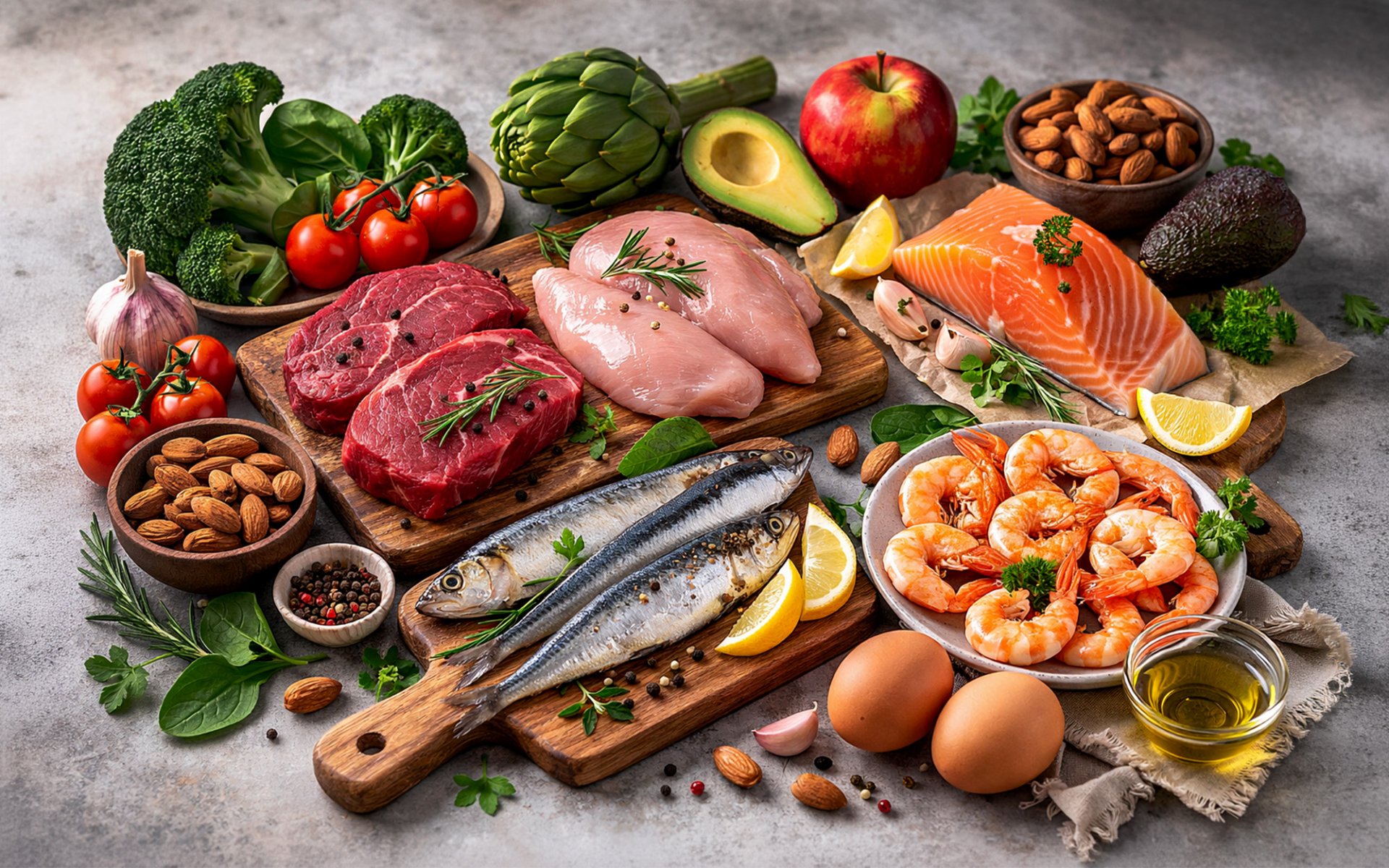
The Paleo Diet is an eating pattern that mimics the dietary habits of humans during the Paleolithic era, which lasted from approximately 2.5 million years ago until around 10,000 BCE.During this period, humans survived primarily through hunting animals and gathering wild foods, consuming foods naturally available in their environment. These foods included meat, fish, fruits, vegetables, and various nuts.
The core principle of the Paleo Diet is to avoid foods that became common after the agricultural revolution and the rise of industrial food production, such as refined grains, processed sugar, and heavily processed foods. Advocates believe that these modern foods may be linked to the rise of chronic diseases in modern society, including obesity, diabetes, and cardiovascular disease.
Key Dietary Principles of the Paleo Diet
The Paleo Diet generally limits the consumption of grain-based foods such as rice, bread, and cereals, as these foods only became a major part of human diets after the development of agriculture.Instead of obtaining carbohydrates from grains, the Paleo Diet emphasizes carbohydrates from natural sources, including vegetables, fruits, and naturally occurring root vegetables.
In addition, the Paleo Diet prioritizes high-quality protein sources, such as meat, fish, and eggs, along with healthy fats from nuts, seeds, and natural oils. These foods provide balanced energy and essential nutrients that support various bodily functions.
Potential Health Benefits of the Paleo Diet
Weight Management
Because the Paleo Diet emphasizes foods high in protein and dietary fiber, it can help promote satiety, reduce unnecessary snacking, and encourage the body to burn stored fat more efficiently.Improved Insulin Sensitivity
Eliminating refined sugar and processed grains can help stabilize blood sugar levels, potentially lowering the risk of type 2 diabetes.Reduced Inflammation
Foods commonly included in the Paleo Diet—such as fish rich in omega-3 fatty acids and leafy green vegetables—may help reduce inflammation at the cellular level, which is associated with many chronic diseases.Digestive Health
For individuals with gluten intolerance or lactose sensitivity, avoiding grains and dairy products may reduce symptoms such as bloating or intestinal discomfort.Stable Energy Levels
By reducing the consumption of refined sugars that cause sudden spikes and crashes in blood sugar, the Paleo Diet may help maintain more stable energy levels throughout the day.Limitations and Considerations of the Paleo Diet
Despite its potential benefits, the Paleo Diet also has certain limitations that should be carefully considered.Possible Nutrient Deficiencies
Avoiding dairy products may reduce calcium intake unless alternative sources—such as leafy green vegetables—are consumed regularly.Higher Food Costs
A diet that prioritizes fresh foods and high-quality meats can sometimes be more expensive than conventional diets that include processed foods and grains.Suitability for Certain Individuals
Individuals with specific medical conditions—such as kidney disease, gout, or those who are pregnant or breastfeeding—should consult a healthcare professional before adopting the Paleo Diet. High protein intake may affect kidney function, and the diet may not provide all the nutrients required during pregnancy if not properly planned.Paleo Diet in the Context of Modern Nutrition
Overall, the Paleo Diet represents an attempt to reconnect modern eating habits with the dietary patterns of early human ancestors, emphasizing natural, minimally processed foods. While the approach continues to generate discussion among scientists and nutrition experts, it has undeniably influenced global conversations about nutrition, health, and the relationship between modern diets and chronic disease. Tags :
Related Content


The Scientist Behind the Mediterranean Diet: EP.2 Ancel Keys and the Discovery of the Mediterranean Diet