Wine Temperature Guide
Last updated: 27 Mar 2026
The Importance of Serving Temperature in Wine
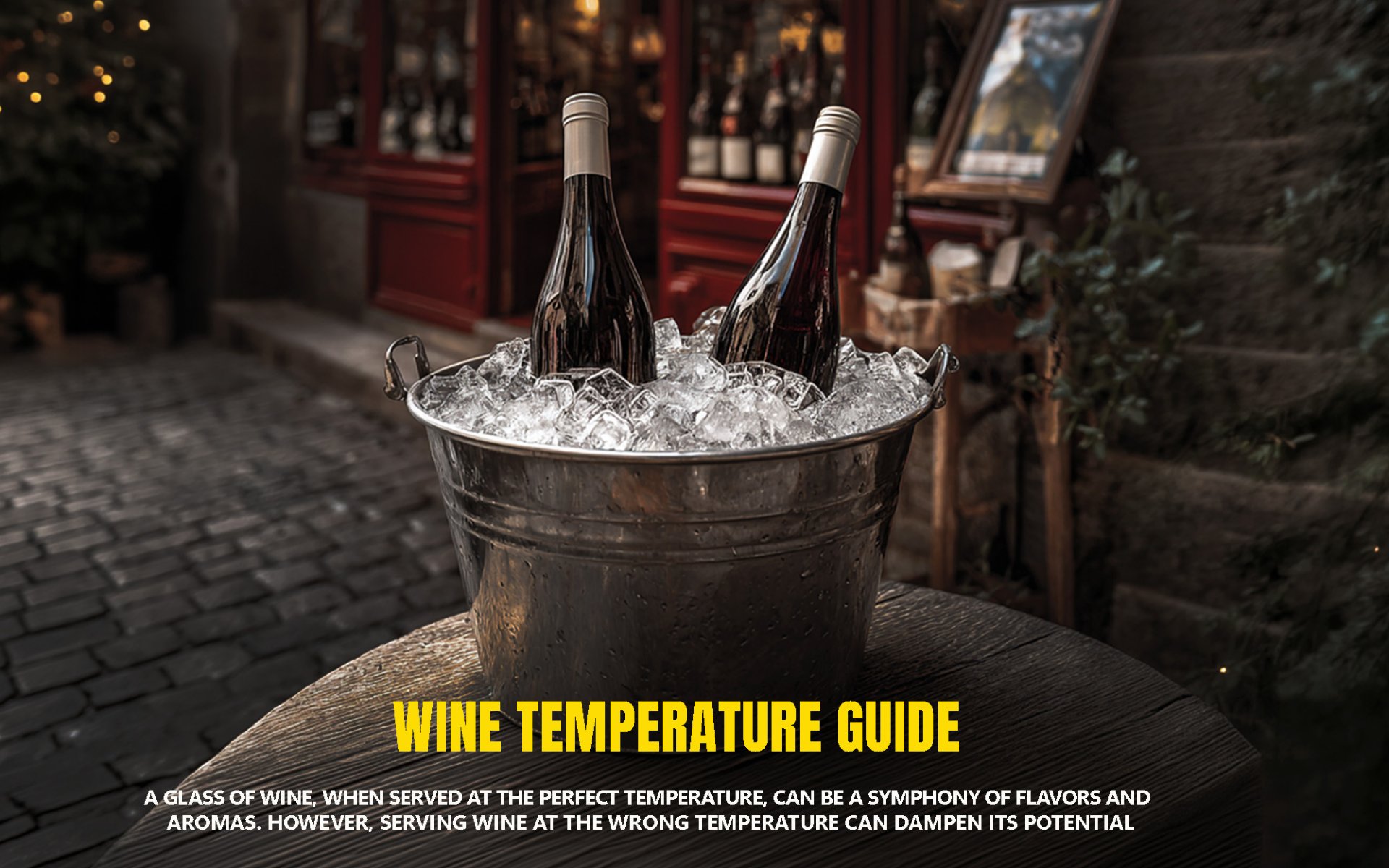
Wine is a complex beverage in terms of aroma, flavor, and structure. These characteristics are influenced not only by grape variety, origin, or aging process, but also by one crucial factor: serving temperature. The right temperature allows each type of wine to fully express its unique character, while an incorrect temperature can diminish its quality or distort its intended flavor profile.How Temperature Affects Aroma and Flavor
Temperature directly affects how we perceive both the taste and aroma of wine. This is because it influences the evaporation of aromatic compounds, which are responsible for the wine’s distinctive bouquet. If wine is served too cold, its aromas become muted, making it appear less expressive, while the flavor may seem flat, rigid, or lacking depth—especially in red wines that rely heavily on aromatic complexity.Effects of Serving Wine Too Warm
On the other hand, if the temperature is too high, alcohol evaporates more rapidly, causing the alcoholic notes to dominate and overpower other aromas. This can make the wine taste heavy, unbalanced, and harsh. Therefore, serving wine at the appropriate temperature is essential for preserving balance, structure, and aroma, allowing the wine to reach its full potential.Ideal Serving Temperatures for Each Type of Wine
Sparkling Wine: Ideal temperature is 6–10°C
Sparkling wines require the lowest serving temperature among all wine types. Chilling helps preserve the bubbles, keeping them fine and consistent. If served too warm, the bubbles become large, coarse, and dissipate quickly, negatively affecting both texture and flavor.For vintage Champagne or long-aged sparkling wines, experts often recommend serving slightly warmer, around 8–10°C, to allow the complex aromas developed during aging to fully emerge.
White Wine: Ideal temperature is
Light-bodied: 7–10°CFull-bodied: 10–13°C
White wines vary greatly in style, so the ideal temperature depends on their characteristics. Light, crisp, and high-acidity wines such as Sauvignon Blanc, Pinot Grigio, and dry Riesling should be served well-chilled (7–10°C), as the cool temperature helps preserve their fresh citrus and floral aromas.
In contrast, full-bodied white wines—especially those aged in oak or undergoing malolactic fermentation, like Chardonnay—are best served slightly warmer to highlight their richer texture and complexity.
White Wine Serving Tips
Tip for white wine: Remove the bottle from the refrigerator about 15–20 minutes before serving. This allows the temperature to rise slightly so that aromas are not suppressed. During drinking, the bottle can remain on the table without ice unless the weather is particularly hot or the drinking session lasts longer than an hour.Rosé Wine: Ideal temperature is
Dry rosé: 7–10°CFull-bodied rosé: 10–13°C
Rosé wines should generally be served between 7–13°C, depending on style. Light and refreshing rosés, such as those from Provence, should be served chilled to maintain their bright and lively fruit aromas.
Meanwhile, fuller-bodied rosés, such as those from Tavel or Spain, benefit from slightly warmer temperatures to better express their red fruit notes and subtle tannins.
Red Wine: Ideal temperature is
Light-bodied: 12–15°CMedium-bodied: 16–18°C
Full-bodied: 17–20°C
Red wine is often mistakenly served at “room temperature,” a concept originating from historical European conditions where room temperature was around 16–18°C. However, in modern tropical climates, room temperature can reach 25–28°C, which is too warm and can negatively affect the wine.
Light-bodied wines such as Pinot Noir and Gamay are best served slightly below room temperature (around 13–16°C) to enhance their delicate red fruit aromas.
Medium-bodied wines like Merlot and Zinfandel are ideal at 16–18°C, which helps bring out their balanced structure and richness.
Full-bodied wines such as Cabernet Sauvignon and Syrah are best enjoyed at 17–20°C, where warmer temperatures enhance their bold structure and tannins.
Red Wine Tips for Thailand Climate
Tip for red wine in Thailand: Due to the hot and humid climate, it is recommended to chill red wine in the refrigerator for about 30–45 minutes before serving. Once removed, the wine will warm up quickly, so it is best to serve and drink in moderate portions.Dessert & Fortified Wines: Ideal temperature is 10–16°C
Fortified wines vary widely in style, from sweet wines like Riesling Auslese to rich wines such as Vintage Port. Therefore, serving temperature depends on the specific type.Sweet wines like Sauternes and Ice Wine should be served chilled to maintain a balance between sweetness and acidity. Meanwhile, aged fortified wines such as Tawny Port or Amontillado Sherry, which develop nutty, caramel, and dried fruit aromas, are best served slightly warmer to fully reveal their complexity.
Practical Tips for Serving Wine
In everyday situations, we may not always have access to a wine cooler. A quick solution is to chill the bottle in a bucket filled with water, ice, and salt. The salt lowers the freezing point of water, helping it cool faster. White wine typically takes about 15–20 minutes, while red wine takes around 5–10 minutes.Another simple method is the 20/20 rule
For red wine: place it in the refrigerator for 20 minutes before servingFor white wine: take it out of the refrigerator and let it sit for 20 minutes before serving
This approach ensures that each wine is served at the optimal temperature, allowing you to fully enjoy its aroma, flavor, and overall character.
Tags :
Related Content



Get to Know “San Miguel” – A Philippine Beer Brand Recognized as One of the Oldest in Southeast Asia