Salmon Parts Guide
Last updated: 30 Mar 2026
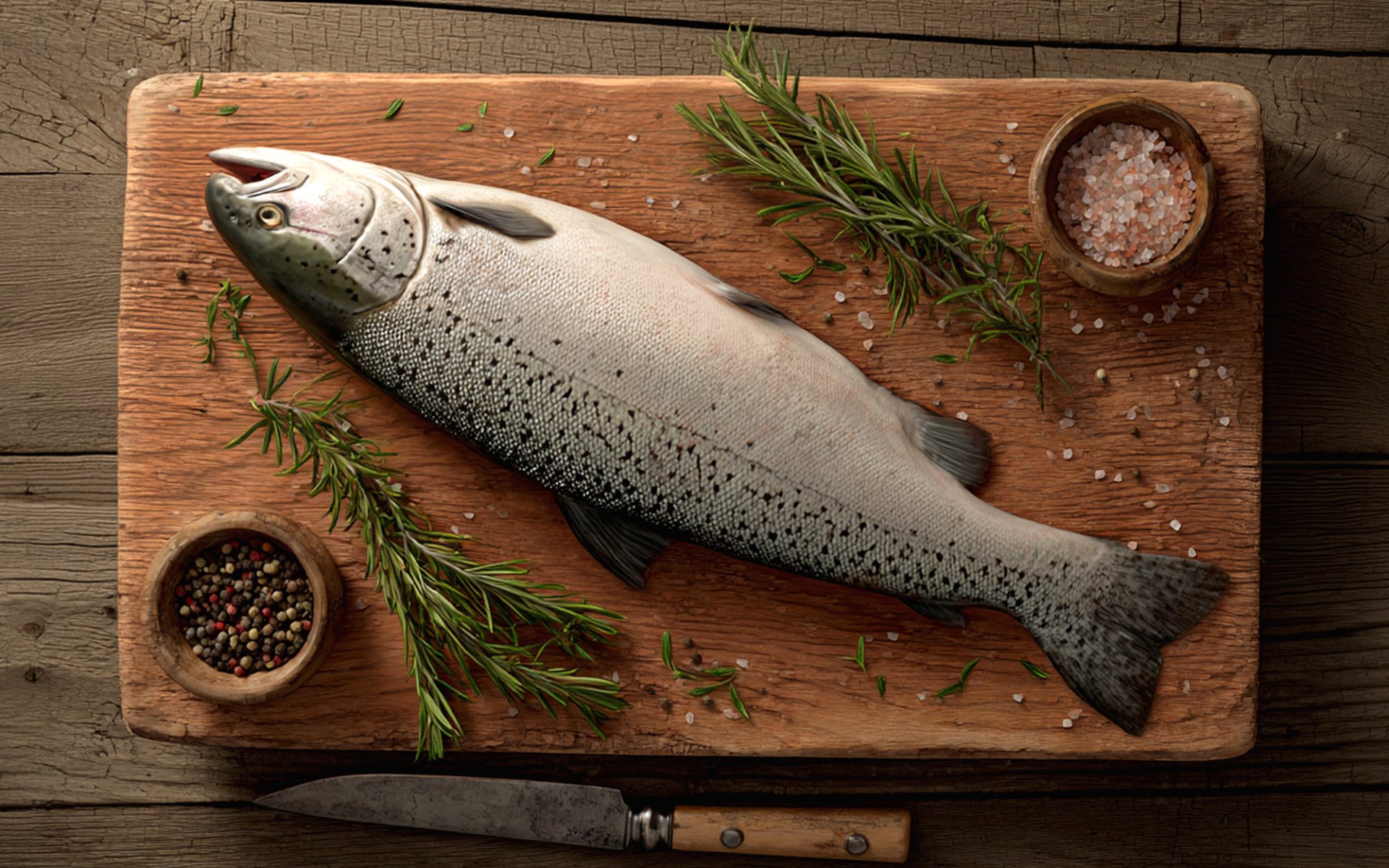
Salmon is one of the most popular seafood ingredients in kitchens worldwide. However, many people are unaware that a single salmon can be divided into several distinct parts. Each section offers a unique texture, fat content, and characteristics suited to different cooking methods.
Generally, a salmon can be divided into six main parts: the head, collar, belly, loin, second cut (mid-section), and tail. Here is a guide to their unique properties and how to cook them:
The Cheek: Considered by connoisseurs as the "best part of the head," the cheek meat is exceptionally flavorful, tender, and succulent. Since there are only two small pieces per fish, they are often grilled or pan-fried as a delicacy.
Cooking Tip: Use medium heat and avoid overcooking, as the fat melts quickly. Excessive cooking will cause the meat to dry out and lose its signature flavor.
Suggested Method: For a classic Salmon Steak, pan-sear over low-medium heat and baste with lemon butter to keep it moist. Alternatively, roasting in an oven at 180°C for 10–12 minutes results in a perfectly cooked, vibrant orange fillet.
Skin: Rich in Omega-3 fatty acids and collagen. Scale the skin thoroughly and fry or bake until crispy. It makes a fantastic snack or a crunchy topping for rice and salads, often seen in "Salmon Skin Rolls" at sushi bars.
Bones & Trim: The spine and ribs are excellent for making seafood stock. Simmer the cleaned bones with aromatics like onions, leeks, and bay leaves for no more than 20–25 minutes to avoid any bitterness or acidity.
Use Sashimi-Grade for Raw Consumption: Ensure the salmon has been treated specifically to eliminate parasites according to safety standards. Look for the "Sashimi-grade" label from trusted suppliers.
Temper the Meat: Take the salmon out of the refrigerator 15–20 minutes before cooking. This ensures even heat distribution and prevents the outside from overcooking while the inside remains raw.
Skin-Side First: Always place the skin-side down on the pan first. The fat under the skin will render out, preventing sticking and creating a crispy texture.
Don’t Overcook: Ideally, salmon should be slightly translucent/pink in the very center. An internal temperature of 52–57°C is the sweet spot for juicy results.
Maximize Value: Don't discard the head or bones. Use them for stock or miso soup to reduce food waste and save costs.
Generally, a salmon can be divided into six main parts: the head, collar, belly, loin, second cut (mid-section), and tail. Here is a guide to their unique properties and how to cook them:
Salmon Head
While the head has relatively little meat, it is rich in collagen and healthy fats around the eyes. When boiled or sautéed at high heat, it produces a rich, naturally sweet broth. In Japanese and Nordic cuisines, the head is often roasted or simmered in miso soup.The Cheek: Considered by connoisseurs as the "best part of the head," the cheek meat is exceptionally flavorful, tender, and succulent. Since there are only two small pieces per fish, they are often grilled or pan-fried as a delicacy.
Salmon Collar
Located between the head and the body, the collar contains meat tucked behind the pectoral fins. This cut is highly marbled with fat, making it incredibly rich and juicy when grilled. The best results come from charcoal grilling or high-heat roasting to achieve a crispy skin while keeping the inside moist. It is best enjoyed simply with coarse salt and a squeeze of lemon.Salmon Belly
Situated just below the ribs, the belly is the fattiest part of the fish. It features striking layers of orange-pink flesh marbled with white fat, offering a rich, buttery, and sweet flavor. Due to its high fat content, it can be overwhelming when eaten raw in large quantities; however, it is spectacular when smoked or grilled.Cooking Tip: Use medium heat and avoid overcooking, as the fat melts quickly. Excessive cooking will cause the meat to dry out and lose its signature flavor.
Second Cut (Mid-Section)
This cross-section of the body is most commonly seen as a "Steak Cut" or horseshoe shape. It includes both the loin and the belly, with the spine in the center. The thickness is consistent, making it ideal for grilling. Always start grilling skin-side down to ensure crispiness and to protect the flesh from drying out.Salmon Loin
The loin is the prime cut from the upper back of the salmon. The meat here is firm with less fat than the belly, providing a perfect balance between tenderness and a slight "snap." It is highly versatile—perfect for sashimi or thick steaks.Suggested Method: For a classic Salmon Steak, pan-sear over low-medium heat and baste with lemon butter to keep it moist. Alternatively, roasting in an oven at 180°C for 10–12 minutes results in a perfectly cooked, vibrant orange fillet.
Salmon Tail
The tail section has less meat, but it is lean, firm, and flavorful because these muscles are the most active. Its unique texture makes it suitable for direct charcoal grilling, soups, stews, or even being minced for tartare. As it is usually more affordable than the loin, it is an excellent choice for everyday home cooking.Zero Waste: Utilizing the Extras
Salmon is truly a "nose-to-tail" fish. Other parts can also be transformed into delicious dishes:Skin: Rich in Omega-3 fatty acids and collagen. Scale the skin thoroughly and fry or bake until crispy. It makes a fantastic snack or a crunchy topping for rice and salads, often seen in "Salmon Skin Rolls" at sushi bars.
Bones & Trim: The spine and ribs are excellent for making seafood stock. Simmer the cleaned bones with aromatics like onions, leeks, and bay leaves for no more than 20–25 minutes to avoid any bitterness or acidity.
Tips for Choosing and Cooking Salmon
Prioritize Freshness: Fresh salmon should have a vibrant pink-orange color, a firm texture that springs back when pressed, and no "fishy" odor.Use Sashimi-Grade for Raw Consumption: Ensure the salmon has been treated specifically to eliminate parasites according to safety standards. Look for the "Sashimi-grade" label from trusted suppliers.
Temper the Meat: Take the salmon out of the refrigerator 15–20 minutes before cooking. This ensures even heat distribution and prevents the outside from overcooking while the inside remains raw.
Skin-Side First: Always place the skin-side down on the pan first. The fat under the skin will render out, preventing sticking and creating a crispy texture.
Don’t Overcook: Ideally, salmon should be slightly translucent/pink in the very center. An internal temperature of 52–57°C is the sweet spot for juicy results.
Maximize Value: Don't discard the head or bones. Use them for stock or miso soup to reduce food waste and save costs.
Tags :
Related Content