The Art of Decanting Wine
Last updated: 21 Apr 2026
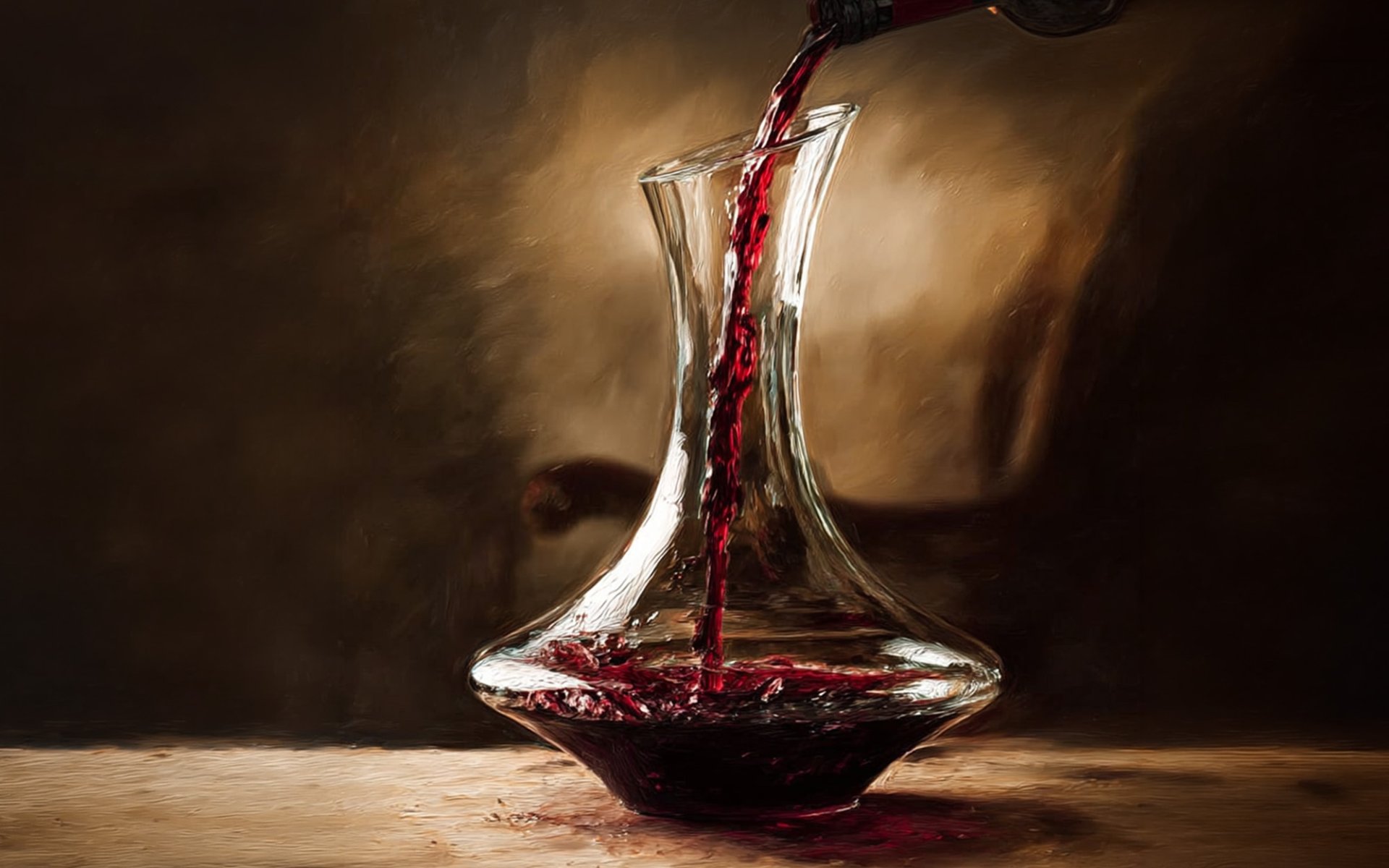
Wine appreciation is both a science and an art that reflects culture, history, and meticulous attention to detail. One essential process that enhances the wine-drinking experience is decanting.
The term decanting originates from the Latin word decantare, meaning to pour liquid from one container into another while leaving sediment behind. In the context of wine, decanting refers to transferring wine from its bottle into a vessel called a decanter, with the primary purposes of separating sediment and allowing the wine to interact with oxygen.
This process helps to enhance the wine’s aroma, soften its structure, reduce tannic harshness, and allow the drinker to fully appreciate the wine’s true character.
A decanter is typically made of clear glass with a wide base and a narrow neck, specifically designed for this purpose. The wide base increases the surface area of the wine exposed to air, allowing aromas to develop more fully, while the narrow neck provides better control during pouring and minimizes sediment disturbance.
In the 17th and 18th centuries, advancements in glass bottle production and cork closures made bottled wine more common. However, wines of that era were often unfiltered and contained significant sediment, making decanting an essential step before serving.
By the Victorian era, decanting had evolved into a refined social ritual, particularly among the British aristocracy. Elegant decanters became symbols of sophistication, reflecting both taste and social status.
Young, tannic wines such as Cabernet Sauvignon, Malbec, Syrah, and Nebbiolo often exhibit strong astringency and closed aromas. Decanting helps soften the tannins and gradually reveal their aromatic complexity.
Aged red wines, such as mature Bordeaux or Vintage Port, typically contain sediment that should be removed before serving. However, decanting older wines requires caution, as their structure becomes more fragile over time due to oxidation.
For wines aged over 20 years, it is recommended to decant only to remove sediment and serve immediately, avoiding prolonged exposure to air that may cause delicate aromas and flavors to deteriorate.
These wines are often “closed” when young, and decanting for about 15–20 minutes can help open up their aromas and flavors.
Additionally, decanting can help slightly warm overly chilled white wines, allowing their acidity to soften and their fruit aromas to become more expressive, resulting in a more balanced profile.
Light-bodied wines, such as Pinot Noir or Gamay, are delicate and can lose their distinctive aromas and flavors if exposed to too much oxygen.
Similarly, fresh white wines like Sauvignon Blanc may lose their vibrant fruit character when decanted for too long.
Sparkling wines, including Champagne, are generally not recommended for decanting, as the process causes the loss of carbonation, which is essential to their texture and overall drinking experience.
For older wines with sediment, stand the bottle upright for at least 2–4 hours before decanting to allow the sediment to settle at the bottom. Younger wines do not require this preparation.
Step 2: Prepare the decanter
Rinse the decanter with warm water and ensure it is completely dry. Avoid using scented cleaning agents, as they may affect the wine’s aroma.
Step 3: Pour the wine
Slowly tilt the bottle and pour the wine steadily into the decanter, allowing it to flow along the side to minimize agitation. Experts often recommend using a candle or flashlight at the neck of the bottle to monitor sediment and stop pouring before it reaches the decanter.
Step 4: Timing
The ideal decanting time varies depending on the wine:
It is advisable to taste the wine periodically during the process to observe how its aroma and flavor evolve. Once the wine reaches optimal balance and expression, it is ready to serve.
The term decanting originates from the Latin word decantare, meaning to pour liquid from one container into another while leaving sediment behind. In the context of wine, decanting refers to transferring wine from its bottle into a vessel called a decanter, with the primary purposes of separating sediment and allowing the wine to interact with oxygen.
This process helps to enhance the wine’s aroma, soften its structure, reduce tannic harshness, and allow the drinker to fully appreciate the wine’s true character.
A decanter is typically made of clear glass with a wide base and a narrow neck, specifically designed for this purpose. The wide base increases the surface area of the wine exposed to air, allowing aromas to develop more fully, while the narrow neck provides better control during pouring and minimizes sediment disturbance.
The Historical Origins of Decanting
Decanting dates back several centuries, with its origins in ancient Rome. During that time, wine was commonly stored in clay vessels such as amphorae before being poured into serving jugs.In the 17th and 18th centuries, advancements in glass bottle production and cork closures made bottled wine more common. However, wines of that era were often unfiltered and contained significant sediment, making decanting an essential step before serving.
By the Victorian era, decanting had evolved into a refined social ritual, particularly among the British aristocracy. Elegant decanters became symbols of sophistication, reflecting both taste and social status.
Why Decanting Matters
Although many modern wines are filtered and ready to drink, decanting still plays an important role in several situations:- Enhancing aroma: Young wines, especially red wines, often have tightly bound aromatic compounds. Decanting helps these compounds disperse, allowing the bouquet to fully open.
- Softening tannins: Oxygen exposure reduces the perception of tannins, making the wine smoother and more approachable.
- Removing sediment: Aged wines such as Bordeaux or Vintage Port often develop natural sediment, which should be separated before serving.
- Eliminating unwanted odors: Some wines may contain off-aromas, such as sulfur notes, which can dissipate through decanting.
Wines That Benefit from Decanting
Red Wine
Red wines benefit the most from decanting due to their higher tannin levels and greater likelihood of sediment formation.Young, tannic wines such as Cabernet Sauvignon, Malbec, Syrah, and Nebbiolo often exhibit strong astringency and closed aromas. Decanting helps soften the tannins and gradually reveal their aromatic complexity.
Aged red wines, such as mature Bordeaux or Vintage Port, typically contain sediment that should be removed before serving. However, decanting older wines requires caution, as their structure becomes more fragile over time due to oxidation.
For wines aged over 20 years, it is recommended to decant only to remove sediment and serve immediately, avoiding prolonged exposure to air that may cause delicate aromas and flavors to deteriorate.
White Wine
While white wines are generally not decanted, certain full-bodied, oak-aged wines—such as premium Chardonnay or White Burgundy—can benefit from short decanting.These wines are often “closed” when young, and decanting for about 15–20 minutes can help open up their aromas and flavors.
Additionally, decanting can help slightly warm overly chilled white wines, allowing their acidity to soften and their fruit aromas to become more expressive, resulting in a more balanced profile.
Wines That Should Not Be Decanted
Not all wines benefit from decanting.Light-bodied wines, such as Pinot Noir or Gamay, are delicate and can lose their distinctive aromas and flavors if exposed to too much oxygen.
Similarly, fresh white wines like Sauvignon Blanc may lose their vibrant fruit character when decanted for too long.
Sparkling wines, including Champagne, are generally not recommended for decanting, as the process causes the loss of carbonation, which is essential to their texture and overall drinking experience.
How to Decant Wine Properly
Step 1: Prepare the bottleFor older wines with sediment, stand the bottle upright for at least 2–4 hours before decanting to allow the sediment to settle at the bottom. Younger wines do not require this preparation.
Step 2: Prepare the decanter
Rinse the decanter with warm water and ensure it is completely dry. Avoid using scented cleaning agents, as they may affect the wine’s aroma.
Step 3: Pour the wine
Slowly tilt the bottle and pour the wine steadily into the decanter, allowing it to flow along the side to minimize agitation. Experts often recommend using a candle or flashlight at the neck of the bottle to monitor sediment and stop pouring before it reaches the decanter.
Step 4: Timing
The ideal decanting time varies depending on the wine:
- Young, tannic red wines: 1–2 hours
- Aged red wines (over 10 years): 20–30 minutes
- Full-bodied white wines: 15–20 minutes
It is advisable to taste the wine periodically during the process to observe how its aroma and flavor evolve. Once the wine reaches optimal balance and expression, it is ready to serve.
Tags :
Related Content
Get to Know “Kasteel”, a Belgian Beer Brand That Evolved from an Old Family Legacy into a Specialty Beer Brand

A Journey Through the History of Amaretto: The Famous Italian Almond Liqueur, a Versatile Ingredient in Desserts and Cocktails