Eat the Rainbow for Good Health
Last updated: 11 May 2026
In recent years, the concept of “Inner Glow” has become one of the most popular approaches to holistic wellness. More people are beginning to realize that lasting beauty is not achieved through external care alone, but starts from nourishing the body from within — especially through consuming nutrient-rich natural foods.
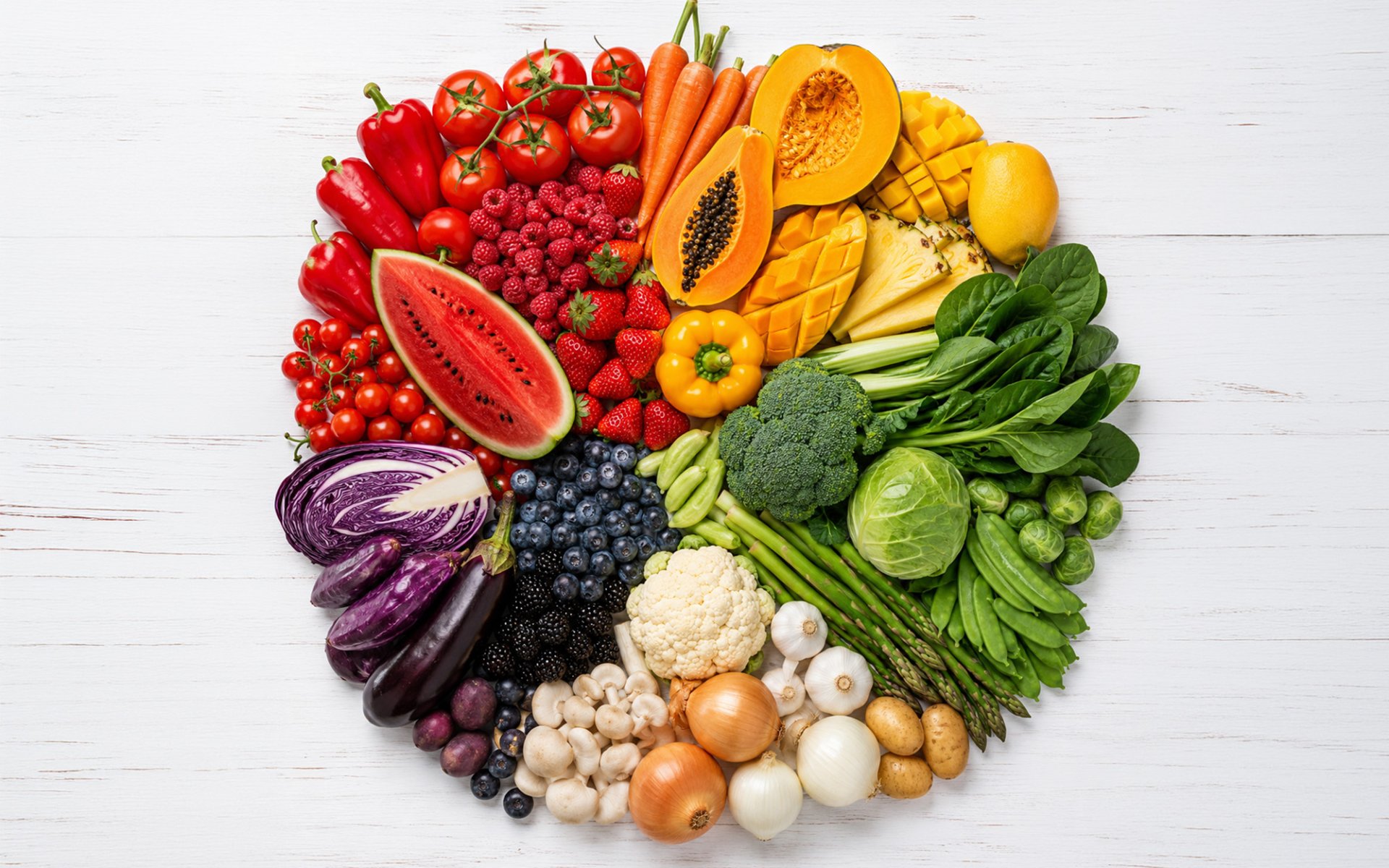
One of the most widely recognized principles in modern nutrition is the concept of “Eat the Rainbow,” which encourages people to consume fruits and vegetables in a wide variety of colors. The colors of produce are not merely visually appealing; they indicate the presence of different phytochemicals, vitamins, minerals, and antioxidants, all of which play important roles in supporting overall health, skin vitality, immunity, and bodily functions.
Inner Glow refers to a state in which the body is healthy from the inside, allowing wellness to radiate outward through bright-looking skin, balanced digestion, stable energy levels, and even a refreshed emotional state. All of these are closely connected to the quality of the foods we eat.
Every day, our bodies are exposed to free radicals from pollution, sunlight, stress, insufficient sleep, and processed foods. When the body lacks enough antioxidants to neutralize these compounds, oxidative stress can occur, contributing to inflammation, cellular damage, and premature aging. This is why colorful fruits and vegetables are so important — they are naturally rich in antioxidants that help protect cells, reduce inflammation, and support the body’s natural repair processes.
According to Harvard Health, the colors found in fruits and vegetables reflect the presence of phytochemicals — naturally occurring compounds that protect plants and also provide important health benefits to humans when consumed through food.
The Food and Agriculture Organization (FAO) and the World Health Organization (WHO) recommend consuming at least 400 grams of fruits and vegetables daily, with an emphasis on color variety to ensure balanced nutrient intake.
The Eat the Rainbow concept generally categorizes produce into five main color groups:
Harvard Health also emphasizes that no single color is superior to another. What matters most is balance and variety. Eating only green vegetables, for example, may cause the body to miss important nutrients found in red, orange, yellow, purple, and white produce. Therefore, consuming a colorful variety of fruits and vegetables should be viewed as a way to achieve nutritional balance rather than simply making meals visually attractive.
Research published in the American Journal of Clinical Nutrition (2002) found that lycopene from cooked and processed tomatoes may protect the skin from UV damage more effectively than raw tomatoes, as heat helps release lycopene from plant cell walls.
Examples of red produce include:
Beta-carotene is converted into retinol, an important nutrient for skin cell repair, collagen production, and maintaining skin moisture.
Examples include:
In addition to chlorophyll, green vegetables are rich in:
Anthocyanins are particularly notable because they can cross the blood-brain barrier, helping support brain health, protect nerve cells, and improve sleep quality — one of the most important factors contributing to Inner Glow, since the body repairs and regenerates skin during sleep.
Examples include:
White and Light Brown: Supporting Immunity and Gut Health
White and light-colored produce are often overlooked because they lack vibrant colors, yet they contain highly beneficial active compounds.
Examples include:
First, the phytochemicals responsible for the colors act as antioxidants that help protect skin cells from damage caused by sunlight, pollution, and normal metabolic processes.
Second, each color provides different vitamins and minerals that work synergistically within the body. For example:
1. Add More Colors to Every Meal
Aim to include at least 2–3 colors on each plate, such as:
Brown rice + broccoli + pumpkin + tomatoes
Green salad with purple cabbage and carrots
2. Choose Seasonal Produce
Seasonal fruits and vegetables are often fresher, more nutritious, and naturally more flavorful.
3. Use Nutrient-Friendly Cooking Methods
Steaming, quick blanching, or light stir-frying help preserve nutrients better than prolonged boiling.
4. Eat Both Raw and Cooked Vegetables
Some nutrients become more available after cooking — for example, tomatoes release more lycopene when heated — while other vegetables are best eaten raw to preserve vitamin C.
5. Make Your Plate Colorful
A visually colorful plate naturally makes meals more appealing and encourages greater variety in fruit and vegetable consumption.
One of the most widely recognized principles in modern nutrition is the concept of “Eat the Rainbow,” which encourages people to consume fruits and vegetables in a wide variety of colors. The colors of produce are not merely visually appealing; they indicate the presence of different phytochemicals, vitamins, minerals, and antioxidants, all of which play important roles in supporting overall health, skin vitality, immunity, and bodily functions.
Inner Glow refers to a state in which the body is healthy from the inside, allowing wellness to radiate outward through bright-looking skin, balanced digestion, stable energy levels, and even a refreshed emotional state. All of these are closely connected to the quality of the foods we eat.
Every day, our bodies are exposed to free radicals from pollution, sunlight, stress, insufficient sleep, and processed foods. When the body lacks enough antioxidants to neutralize these compounds, oxidative stress can occur, contributing to inflammation, cellular damage, and premature aging. This is why colorful fruits and vegetables are so important — they are naturally rich in antioxidants that help protect cells, reduce inflammation, and support the body’s natural repair processes.
What Does “Eat the Rainbow” Mean?
Eat the Rainbow is a nutritional approach that encourages consuming fruits and vegetables in multiple colors each day. The principle is based on the fact that each color group contains unique beneficial compounds that support the body in different ways.According to Harvard Health, the colors found in fruits and vegetables reflect the presence of phytochemicals — naturally occurring compounds that protect plants and also provide important health benefits to humans when consumed through food.
The Food and Agriculture Organization (FAO) and the World Health Organization (WHO) recommend consuming at least 400 grams of fruits and vegetables daily, with an emphasis on color variety to ensure balanced nutrient intake.
The Eat the Rainbow concept generally categorizes produce into five main color groups:
- Red
- Orange and Yellow
- Green
- Purple and Blue
- White and Light Brown
Harvard Health also emphasizes that no single color is superior to another. What matters most is balance and variety. Eating only green vegetables, for example, may cause the body to miss important nutrients found in red, orange, yellow, purple, and white produce. Therefore, consuming a colorful variety of fruits and vegetables should be viewed as a way to achieve nutritional balance rather than simply making meals visually attractive.
Red : Protecting the Skin From Premature Aging
Red fruits and vegetables obtain their vibrant color from compounds such as Lycopene and Anthocyanins, both powerful antioxidants.Research published in the American Journal of Clinical Nutrition (2002) found that lycopene from cooked and processed tomatoes may protect the skin from UV damage more effectively than raw tomatoes, as heat helps release lycopene from plant cell walls.
Examples of red produce include:
- Tomatoes
- Red bell peppers
- Watermelon
- Strawberries
- Raspberries
- Plums
- Beets
- Pomegranates
Benefits for Inner Glow
Lycopene helps protect collagen from oxidative damage, supporting smoother, firmer, and more elastic skin while reducing dark spots and premature wrinkles.Orange and Yellow: Boosting Immunity and Radiance
The bright yellow and orange colors in fruits and vegetables come primarily from Beta-Carotene and Lutein, which serve as precursors to vitamin A in the body.Beta-carotene is converted into retinol, an important nutrient for skin cell repair, collagen production, and maintaining skin moisture.
Examples include:
- Carrots
- Pumpkin
- Papaya
- Mango
- Pineapple
- Orange and yellow bell peppers
- Corn
- Ginger
Benefits for Inner Glow
Beta-carotene and vitamin C work together to reduce oxidative stress within skin cells, helping the complexion appear brighter and naturally more radiant.Green: Supporting Detoxification and Body Restoration
Dark green vegetables are among the most nutrient-dense foods available. Their color comes from Chlorophyll, a pigment with a chemical structure similar to hemoglobin in human blood. Chlorophyll may help support oxygen transport and assist the liver’s detoxification processes.In addition to chlorophyll, green vegetables are rich in:
- Vitamin K and Folate for cell regeneration
- Magnesium, which supports over 300 biochemical processes in the body
- Sulforaphane, found in cruciferous vegetables and associated with protective cellular benefits
- Spinach
- Kale
- Broccoli
- Cabbage
- Edamame
- Asparagus
- Cucumbers
- Coriander
- Ivy gourd leaves
- Bok choy
Benefits for Inner Glow
Chlorophyll and anti-inflammatory compounds help reduce puffiness and inflammation that contribute to dull-looking skin. Green vegetables also support liver function, helping the body eliminate excess hormones associated with acne while promoting healthy energy levels and brighter-looking skin.Purple and Blue: High-Powered Antioxidant Protection
Purple and blue fruits and vegetables are among the richest sources of antioxidants. Their deep color comes from Anthocyanins, a group of flavonoids that have been extensively studied for their health benefits.Anthocyanins are particularly notable because they can cross the blood-brain barrier, helping support brain health, protect nerve cells, and improve sleep quality — one of the most important factors contributing to Inner Glow, since the body repairs and regenerates skin during sleep.
Examples include:
- Blueberries
- Blackberries
- Eggplant
- Purple cabbage
- Prunes
- Riceberry rice
- Purple sweet potatoes
- Black grapes
Benefits for Inner Glow
Anthocyanins help strengthen the tiny blood vessels that nourish the skin, improving oxygen and nutrient delivery while reducing chronic inflammation linked to premature aging.White and Light Brown: Supporting Immunity and Gut Health
White and light-colored produce are often overlooked because they lack vibrant colors, yet they contain highly beneficial active compounds.
Examples include:
- Garlic
- Onions
- Cauliflower
- Mushrooms
- White beans
- Pears
- Allicin in garlic and onions, known for antibacterial and antiviral properties
- Quercetin, which helps reduce inflammation
- Beta-glucan in mushrooms, which supports immune function
- Research published in the Journal of Nutrition suggests that regular garlic consumption may help reduce LDL cholesterol and blood pressure, supporting better circulation and healthier-looking skin.
Benefits for Inner Glow
These compounds help reduce inflammation, support gut health, strengthen immunity, and promote a fresher, more energized appearance from within.Why Color Variety Matters for Inner Glow
The connection between colorful produce and Inner Glow works on several levels.First, the phytochemicals responsible for the colors act as antioxidants that help protect skin cells from damage caused by sunlight, pollution, and normal metabolic processes.
Second, each color provides different vitamins and minerals that work synergistically within the body. For example:
- Vitamin C helps improve iron absorption
- Vitamin D supports calcium utilization
- Third, nutritional diversity directly influences the Gut Microbiome, which research increasingly links to skin health through the “Gut-Skin Axis.” A balanced gut microbiome may help reduce systemic inflammation, including skin inflammation associated with acne, redness, and dullness.
How to Practice Eat the Rainbow Every Day
Many people assume that eating fruits and vegetables in five different colors is difficult, but it can actually be very simple with small daily adjustments.1. Add More Colors to Every Meal
Aim to include at least 2–3 colors on each plate, such as:
Brown rice + broccoli + pumpkin + tomatoes
Green salad with purple cabbage and carrots
2. Choose Seasonal Produce
Seasonal fruits and vegetables are often fresher, more nutritious, and naturally more flavorful.
3. Use Nutrient-Friendly Cooking Methods
Steaming, quick blanching, or light stir-frying help preserve nutrients better than prolonged boiling.
4. Eat Both Raw and Cooked Vegetables
Some nutrients become more available after cooking — for example, tomatoes release more lycopene when heated — while other vegetables are best eaten raw to preserve vitamin C.
5. Make Your Plate Colorful
A visually colorful plate naturally makes meals more appealing and encourages greater variety in fruit and vegetable consumption.
Tags :
Related Content