Hydration Guide
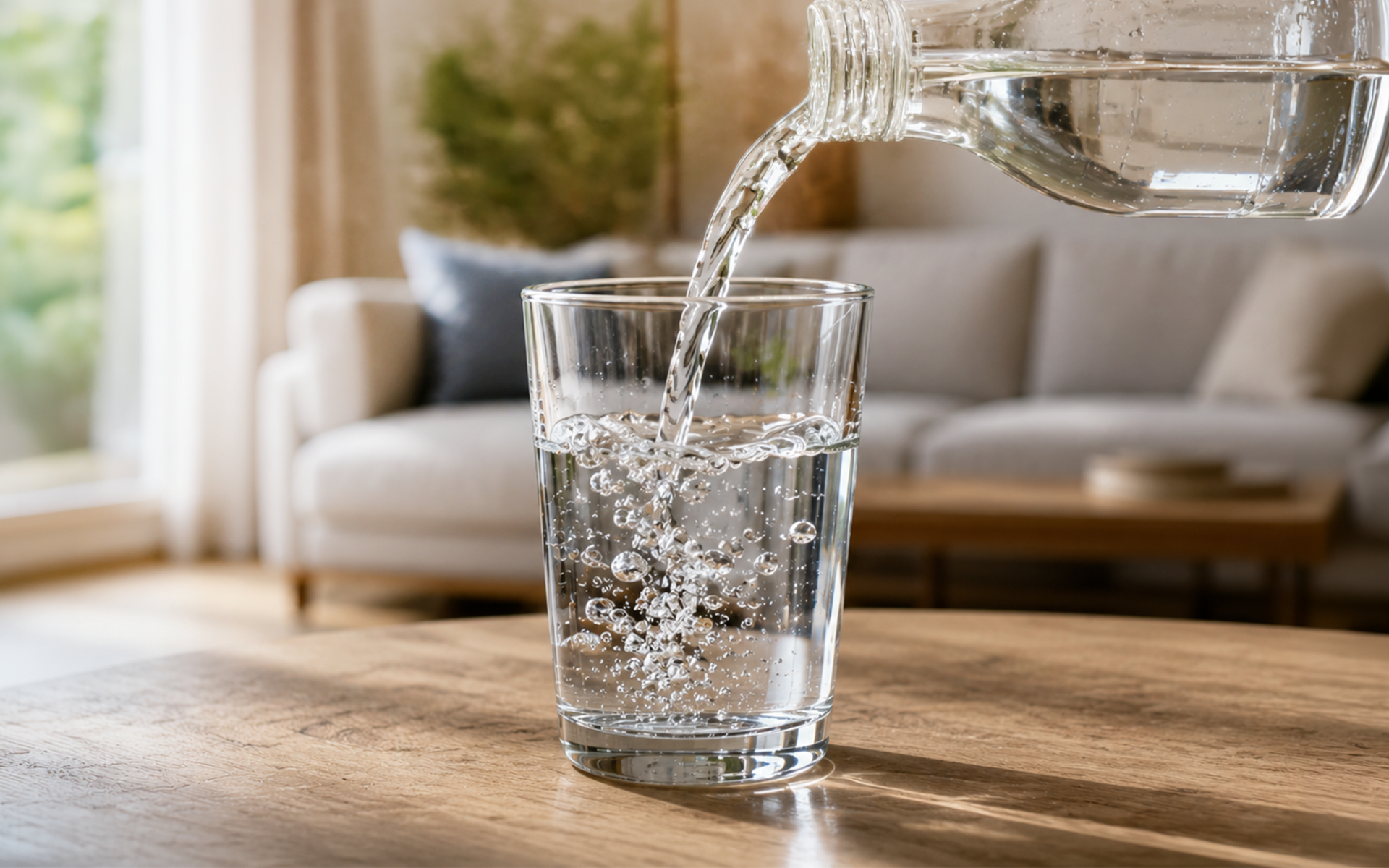
Many people are familiar with the common recommendation to “drink at least 8 glasses of water a day.” In reality, however, each person’s hydration needs are different, depending on factors such as gender, age, body weight, physical activity level, climate, and overall health condition.
In addition, how we drink water is just as important as the amount we consume. Drinking water consistently throughout the day allows the body to maintain fluid balance and function more efficiently than consuming large amounts all at once.
Water is the most fundamental component of life. The human body is made up of approximately 60–70% water, present in every cell, blood vessel, and vital organ. Maintaining proper hydration is therefore not simply about quenching thirst, but about supporting the body’s internal systems from the inside out.
Even mild dehydration — as little as a 1–2% loss of body weight in fluids — can negatively affect both physical and mental performance. It can also reduce skin elasticity, cause dullness, and accelerate the appearance of fine lines and wrinkles. Research published in The Journal of Clinical, Cosmetic and Investigational Dermatology (Palma et al., 2015) found that increased water intake was significantly associated with improved hydration of the outer layer of the skin.
Today, more people are paying closer attention to “hydration” and maintaining fluid balance within the body, not only for overall wellness but also for skin health, metabolism, concentration, and daily energy levels. This is especially important in modern lifestyles where people spend long hours in air-conditioned environments, exercise intensely, consume caffeine regularly, or experience inadequate sleep — all of which can increase the risk of dehydration without us realizing it.
The popular advice to drink “8 glasses of water a day” serves as a simple guideline, but actual hydration requirements vary from person to person. Factors influencing daily water needs include body weight, age, activity level, temperature and climate, pregnancy or breastfeeding, as well as caffeine and alcohol consumption.
In general, health organizations recommend that women consume approximately 2–2.7 liters of water per day, while men should consume around 2.5–3.7 liters daily. This includes both drinking water and water obtained from foods such as fruits, vegetables, and soups.
Calculating Your Personal Water Intake
One commonly used medical guideline calculates water needs based on body weight:Body weight (kg) × 30–35 mL = Recommended daily water intake
For example, a person weighing 60 kilograms should consume approximately 1,800–2,100 mL of water per day, or about 7–8 glasses. An additional 500–700 mL should be added for every hour of intense exercise.
Although water is essential, drinking excessive amounts in a short period can also be dangerous. This condition, known as water intoxication or overhydration, causes abnormally low sodium levels in the blood. Symptoms may include nausea, headaches, dizziness, and confusion. In severe cases, it can affect the nervous system. Therefore, proper hydration should focus on balance rather than forcing excessive water intake.
A Healthy Hydration Schedule Throughout the Day
Upon Waking : Drink 1–2 glasses of warm or room-temperature water immediately after waking up. During sleep, the body loses water through breathing. Rehydrating in the morning helps stimulate digestion, boost metabolism, and support the body’s natural detoxification process.
Before Meals : Drink 1 glass of water approximately 30 minutes before meals. Research suggests that drinking water before eating may improve digestion, stimulate digestive secretions, and help regulate appetite and portion control.
Throughout the Day
Drink water regularly every 1–1.5 hours. Setting reminders or using a marked water bottle can help maintain consistent hydration. Avoid drinking excessive amounts at once, as the kidneys can process only about 0.8–1 liter of water per hour.
During Exercise : Hydrate before, during, and after physical activity. The American College of Sports Medicine recommends drinking 400–600 mL of water about 2 hours before exercise, 150–350 mL every 15–20 minutes during exercise, and additional fluids afterward to replace sweat loss.
Before Bed : Drink a small glass of water 1–2 hours before bedtime. This helps maintain hydration overnight while minimizing the chance of waking up frequently during the night.
Beverages That Support Hydration
Although plain water remains the best option, several beverages and foods can also contribute to hydration:
- Mineral Water : Contains naturally occurring minerals such as magnesium, calcium, and potassium that may help support electrolyte balance.
- Coconut Water : Rich in natural electrolytes, making it an excellent choice after exercise or on particularly hot days.
- Herbal Teas : Caffeine-free herbal teas such as chamomile or peppermint tea can help increase fluid intake while promoting relaxation.
- Water-Rich Fruits and Vegetables : Foods such as watermelon, cucumber, oranges, strawberries, and lettuce provide additional hydration naturally through their high water content.