The Science of Stress Eating
Last updated: 14 May 2026
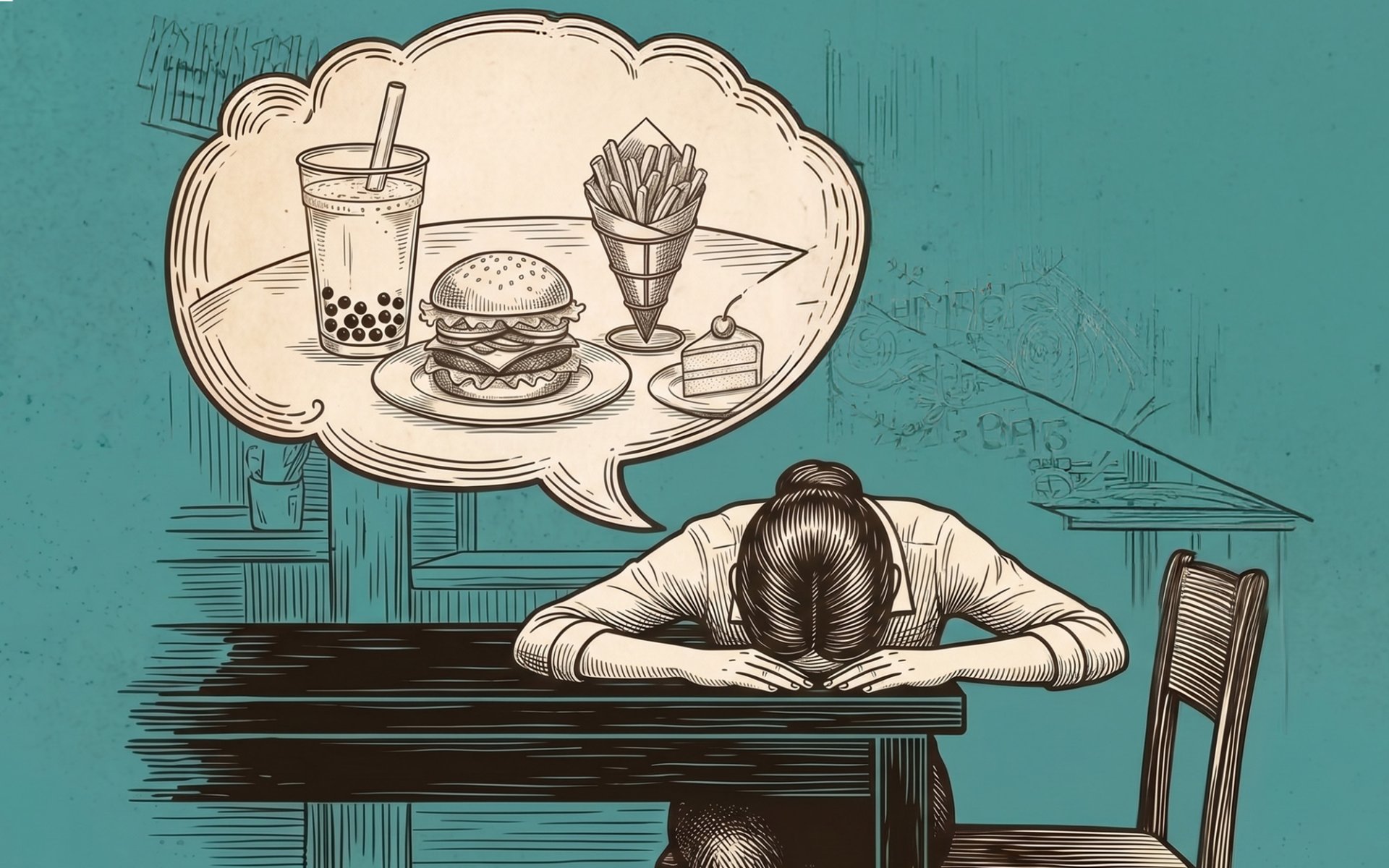
Have you ever noticed how your appetite changes during stressful periods? Sometimes we crave chocolate, sweets, or high-fat foods as a way to comfort ourselves during emotionally exhausting moments.
These behaviors are not caused solely by habit or personal preference, but are closely linked to the way our brain and hormones function. When the body experiences stress, the brain releases cortisol, often referred to as the “stress hormone.” Cortisol can stimulate appetite, especially cravings for high-energy foods, because the brain perceives these foods as a quick source of energy and emotional comfort.
In addition, sugary and high-fat foods can trigger the release of dopamine, a neurotransmitter associated with pleasure and the brain’s reward system. This creates a temporary sense of relaxation and emotional relief. As a result, it is not unusual for people to crave “comfort foods” more frequently during periods of stress or emotional fatigue.
However, regularly relying on these foods may negatively affect long-term health. It can lead to unstable blood sugar levels, mood swings, fatigue, and increased inflammation in the body — all of which may ultimately worsen stress over time.
Research over the past decade has revealed that stress and nutrition share a two-way relationship. Stress influences our eating behaviors, while the foods we consume can also affect stress levels and mental well-being.
More recently, scientific studies have focused on the concept of the Gut-Brain Axis, which describes the connection between gut health and mental health. Researchers have found that gut microbiota may influence mood, anxiety, and stress responses through the production of neurotransmitters and communication with the central nervous system.
Foods rich in magnesium include:
Good dietary sources of omega-3 include:
Foods rich in B vitamins include:
Foods that support gut health include:
These behaviors are not caused solely by habit or personal preference, but are closely linked to the way our brain and hormones function. When the body experiences stress, the brain releases cortisol, often referred to as the “stress hormone.” Cortisol can stimulate appetite, especially cravings for high-energy foods, because the brain perceives these foods as a quick source of energy and emotional comfort.
In addition, sugary and high-fat foods can trigger the release of dopamine, a neurotransmitter associated with pleasure and the brain’s reward system. This creates a temporary sense of relaxation and emotional relief. As a result, it is not unusual for people to crave “comfort foods” more frequently during periods of stress or emotional fatigue.
However, regularly relying on these foods may negatively affect long-term health. It can lead to unstable blood sugar levels, mood swings, fatigue, and increased inflammation in the body — all of which may ultimately worsen stress over time.
Research over the past decade has revealed that stress and nutrition share a two-way relationship. Stress influences our eating behaviors, while the foods we consume can also affect stress levels and mental well-being.
More recently, scientific studies have focused on the concept of the Gut-Brain Axis, which describes the connection between gut health and mental health. Researchers have found that gut microbiota may influence mood, anxiety, and stress responses through the production of neurotransmitters and communication with the central nervous system.
Nutrients That May Help Reduce Stress
Magnesium
Magnesium is an essential mineral that helps regulate the nervous system and reduce excessive cortisol activity. Studies suggest that adequate magnesium intake may help lower stress levels and improve sleep quality.Foods rich in magnesium include:
- Leafy greens such as spinach and kale
- Avocados
- Almonds
- Cashews
- Pumpkin seeds
- Whole grains
Omega-3 Fatty Acids
Omega-3 fatty acids play an important role in brain health and help reduce inflammation in the body, which is associated with stress and anxiety. Research has shown that omega-3s may help lower cortisol levels and reduce mental fatigue.Good dietary sources of omega-3 include:
- Salmon
- Sardines
- Mackerel
- Walnuts
- Flaxseeds
- Chia seeds
Vitamin B Complex
B vitamins are involved in neurotransmitter production and help maintain proper nervous system function. A deficiency in B vitamins may contribute to fatigue, irritability, and increased sensitivity to stress.Foods rich in B vitamins include:
- Eggs
- Whole grains
- Bananas
- Nuts
- Fish
- Lean meats
Probiotics and Prebiotics
There is growing research surrounding the Gut-Brain Axis, showing that gut microbiota can influence mood, stress levels, and sleep quality.Foods that support gut health include:
- Yogurt
- Kefir
- Kimchi
- Miso
- Bananas
- Oats
- Garlic
- Onions
Tags :
Related Content


Getting to Know “Functional Food”: Food Innovation for Health Promotion and Disease Prevention

Milk & Brain Health : The Relationship Between Milk Consumption and Brain Health