Early Harvest Olive Oil
Last updated: 15 May 2026
What Is Early Harvest Olive Oil and Why Is It Different?
In the world of olive oil, the term “Extra Virgin Olive Oil” is often regarded as the highest standard of quality. However, in recent years, nutrition experts and leading olive oil producers have begun highlighting another category of olive oil that goes beyond the traditional definition of extra virgin — Early Harvest Olive Oil.Early Harvest Olive Oil Is Made from Unripe Olives
Early Harvest Olive Oil is made from olives harvested early in the season, while the fruit is still unripe. Typically, olives are picked between October and early November, before they transition from green to purple or black.Why Early Harvest Olives Are Richer in Nutrients
Because unripe olives contain less oil than fully ripened ones, the production yield is significantly lower, resulting in higher production costs. However, these younger olives are exceptionally rich in beneficial compounds, particularly polyphenols — natural antioxidants found in plants.The Health Benefits of Polyphenols in Olive Oil
Polyphenols play an important role in protecting cells from oxidative damage caused by free radicals, reducing inflammation in the body, and supporting cardiovascular health. Numerous studies also suggest that these compounds may help reduce the risk of certain chronic diseases and slow age-related cellular degeneration.The Distinct Flavor Profile of Early Harvest Olive Oil
One of the defining characteristics of Early Harvest Olive Oil is its distinct flavor profile. Compared to conventional olive oils, it typically has a fresher grassy aroma, a slightly bitter taste, and a peppery sensation at the back of the throat — qualities that olive oil experts often associate with high-quality oils rich in natural antioxidants.Why Early Harvest Olive Oil Contains Higher Polyphenols
Many people wonder why Early Harvest Olive Oil contains significantly higher levels of polyphenols. The answer lies in the biology of the olive itself. During the early stages of ripening, olive trees naturally produce high concentrations of polyphenols to protect the fruit from insects, pathogens, and environmental stress. As the olives continue to ripen, the concentration of these compounds gradually decreases as the fruit shifts its energy toward accumulating oil and sugars instead.Comparing Polyphenol Levels in Early Harvest and Extra Virgin Olive Oil
According to various studies, Early Harvest Olive Oil may contain approximately 500–1,400 mg of polyphenols per kilogram, whereas standard Extra Virgin Olive Oil typically contains around 100–400 mg per kilogram.The Production Process Behind Premium Early Harvest Olive Oil
Producing premium Early Harvest Olive Oil involves much more than harvesting olives early. The production process itself plays a crucial role in preserving polyphenols, as these compounds are highly sensitive to heat, oxygen, and light. Poor handling can rapidly reduce their concentration even before the oil reaches the bottle.Gentle Harvesting Helps Preserve Nutritional Integrity
High-quality Early Harvest Olive Oil is usually produced using methods specifically designed to preserve nutritional integrity. The process begins with careful harvesting, often done by hand or with gentle tools that minimize bruising and oxidation immediately after the olives are picked.What Is Cold Extraction in Olive Oil Production?
After harvesting, the olives are processed within just a few hours using cold extraction methods at temperatures below 27°C. This low-temperature extraction helps preserve the oil’s aroma, flavor, and polyphenol content. Some reports suggest that carefully controlled cold extraction can retain up to 98% of the oil’s polyphenols.Advanced Technologies Used to Prevent Oxidation
Many producers also incorporate advanced technologies to prevent oxidation, such as using nitrogen gas during processing and bottling. This minimizes the oil’s exposure to oxygen, one of the primary causes of polyphenol degradation and rancidity.Why Premium Olive Oil Comes in Dark Bottles
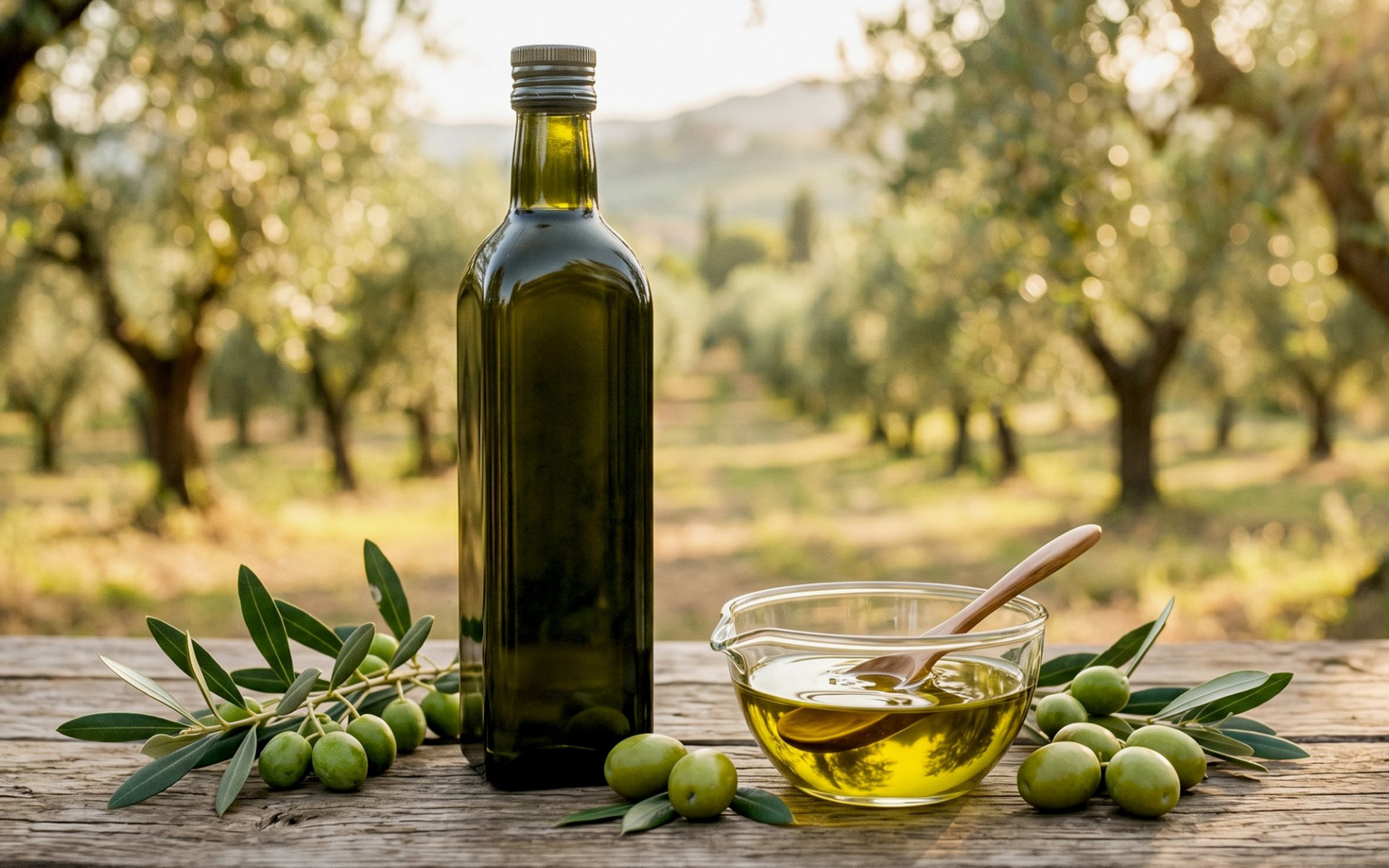
Light exposure is another critical factor affecting olive oil quality. UV rays can accelerate the breakdown of antioxidants, which is why premium olive oils are commonly packaged in dark glass bottles or opaque containers to help preserve freshness and extend shelf life.Why Early Harvest Olive Oil Is More Expensive
Harvesting olives before full ripeness comes at a significant cost in terms of oil yield. At this stage, the fruit has not yet accumulated its maximum oil content. In general, producers of Early Harvest Olive Oil obtain approximately 40–50% less oil compared to harvesting fully ripened olives from the same quantity of fruit.Choosing Quality Over Quantity in Olive Oil Production
In other words, producers must use far more olives to produce the same amount of oil, increasing costs related to raw materials, labor, and precise production control. This is one of the key reasons why Early Harvest Olive Oil is more expensive than conventional Extra Virgin Olive Oil — producers are choosing quality over quantity.A Premium Olive Oil with Superior Flavor and Nutrition
As a result, Early Harvest Olive Oil is often considered a premium product within the olive oil industry, valued for its meticulous production methods, complex flavor profile, and enhanced nutritional properties.
The Longer Shelf Life of Early Harvest Olive Oil
Despite its higher price, Early Harvest Olive Oil also offers another advantage: a longer shelf life. Its naturally high polyphenol content acts as a natural preservative, allowing the oil to maintain its quality for approximately 18–24 months, whereas standard olive oils may begin deteriorating within 12–18 months.How to Enjoy Early Harvest Olive Oil
Because of its bold flavor and aromatic complexity, Early Harvest Olive Oil is best enjoyed in ways that highlight its distinctive characteristics rather than in high-heat cooking. It is commonly drizzled over fresh salads, paired with sourdough or freshly baked bread, added to soups, used as a finishing oil for fish, grilled vegetables, and pasta, or incorporated into dips and cold dishes. These applications help enhance both the flavor and nutritional value of the meal.Early Harvest Olive Oil as a Premium Olive Oil Category
Today, although there is still no universally standardized definition for Early Harvest Olive Oil comparable to the regulations surrounding Extra Virgin Olive Oil, it is widely regarded as a premium category due to its exceptional freshness, intense flavor, and significantly higher antioxidant content — especially its elevated levels of polyphenols. Tags :
Related Content

Ancient Grains Comeback : The Return of “Ancient Grains” in the Modern Food World