The Hidden Benefits of Pumpkin for Women’s Health
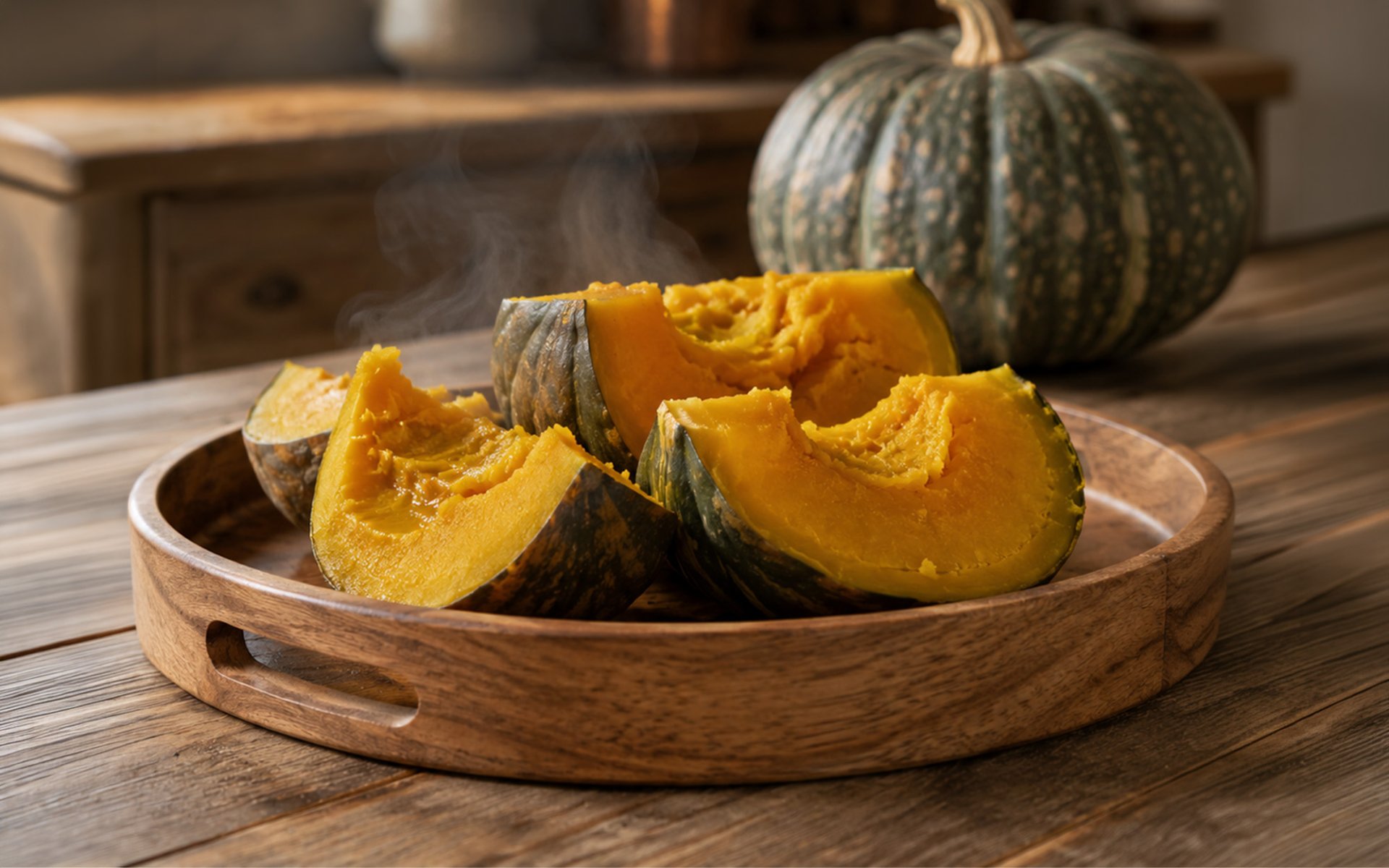
When people hear the term “superfood,” many immediately think of berries, kale, or chia seeds that are popular in Western health trends. In reality, however, one of Thailand’s most accessible local vegetables — pumpkin — is also considered a highly nutritious superfood.
Pumpkin belongs to the same plant family as cucumbers and squash, a group well known for its nutritional value and beneficial
phytonutrients. One of pumpkin’s most notable qualities is its high content of beta-carotene, the natural orange pigment that acts as a precursor to vitamin A in the body.
In addition, pumpkin is rich in many other essential nutrients, including vitamin C, vitamin E, potassium, magnesium, dietary fiber, antioxidants, zinc, and healthy fats found in pumpkin seeds.
7 Reasons Why Pumpkin Is a Superfood for Women
1. Supports Healthy Skin and Slows Premature Aging
One of the main reasons pumpkin is popular among women is its ability to nourish the skin from within. Pumpkin contains high levels of beta-carotene, a powerful antioxidant that the body converts into vitamin A, which plays an important role in maintaining healthy skin, vision, and immune function.
Vitamin A helps maintain the integrity of the skin and mucous membranes, supports skin hydration, reduces dryness, and promotes skin cell repair. At the same time, the antioxidant properties of beta-carotene help protect skin cells from damage caused by pollution and UV radiation — two major contributors to premature aging.
Pumpkin is also rich in vitamins C and E, both of which help stimulate collagen production. Collagen is the main structural protein responsible for keeping the skin firm, elastic, and youthful-looking. For women exposed to pollution, stress, or insufficient sleep, consuming antioxidant-rich foods like pumpkin may help support long-term skin health.
2. Helps Control Weight and Reduce Cravings
Pumpkin is relatively low in calories compared to its volume, yet high in dietary fiber. This helps promote fullness and reduce hunger between meals.
Fiber also plays an important role in digestive health by supporting regular bowel movements and reducing constipation — a common issue among women, especially before menstruation or during periods of unbalanced eating habits.
3. Supports Hormonal Balance
Pumpkin seeds are another part of the pumpkin that has gained significant attention in nutrition science because they are rich in healthy fats, plant protein, zinc, magnesium, and beneficial phytonutrients.
One notable compound found in pumpkin seeds is phytoestrogens, plant compounds with a structure similar to estrogen. Although their effects are milder than the body’s natural estrogen, they may help support hormonal balance, particularly in perimenopausal and menopausal women whose estrogen levels begin to fluctuate.
4.Helps Reduce Stress and Supports Better Sleep
Many women experience stress, fatigue, and difficulty sleeping due to work and daily responsibilities. Pumpkin and pumpkin seeds are high in magnesium, an important mineral for nervous system and muscle function.
Magnesium helps the body relax, reduces tension, and may improve sleep quality.
5. Supports Heart and Circulatory Health
Heart disease is not only a men’s health issue. Women also face an increased risk, especially after menopause. Pumpkin supports cardiovascular health in several ways because it contains potassium and dietary fiber, while pumpkin seeds provide healthy unsaturated fats and magnesium — all essential nutrients for heart and blood vessel function.
Potassium helps regulate fluid balance and supports proper heart muscle function, contributing to a healthy heartbeat. It also helps counteract the effects of excess sodium, which may help control blood pressure and reduce the risk of stroke.
Meanwhile, the fiber in pumpkin may help lower LDL cholesterol, often referred to as “bad cholesterol,” which is one of the key risk factors for cardiovascular disease. Fiber helps slow the absorption of certain fats and promotes the removal of cholesterol from the body.
6. Helps Relieve Menopausal Symptoms
Menopause is a major transition in a woman’s life and is often accompanied by symptoms such as hot flashes, insomnia, mood swings, reduced bone density, and increased cardiovascular risk.
Pumpkin contains several nutrients that may help alleviate some of these symptoms naturally.
7. Supports Bone Health in Women Over 40
As women age, particularly after menopause, bone mass tends to decrease more rapidly due to declining estrogen levels. Pumpkin and pumpkin seeds contain several important nutrients for bone health, especially magnesium, phosphorus, and zinc, all of which play a role in maintaining strong bones.
In addition, pumpkin seeds provide plant-based protein and healthy fats that support overall health and bodily functions. When combined with calcium- and protein-rich foods such as milk, yogurt, small fish eaten whole, or legumes, pumpkin may help support bone health and reduce the long-term risk of osteoporosis.
Best Ways to Enjoy Pumpkin
Pumpkin is highly versatile and can be enjoyed in many forms. Recommended options include steamed pumpkin, pumpkin soup, pumpkin salad, roasted pumpkin, unsalted roasted pumpkin seeds, and low-sugar pumpkin smoothies.