Hungarian Oyster Mushroom
Last updated: 11 Jun 2026
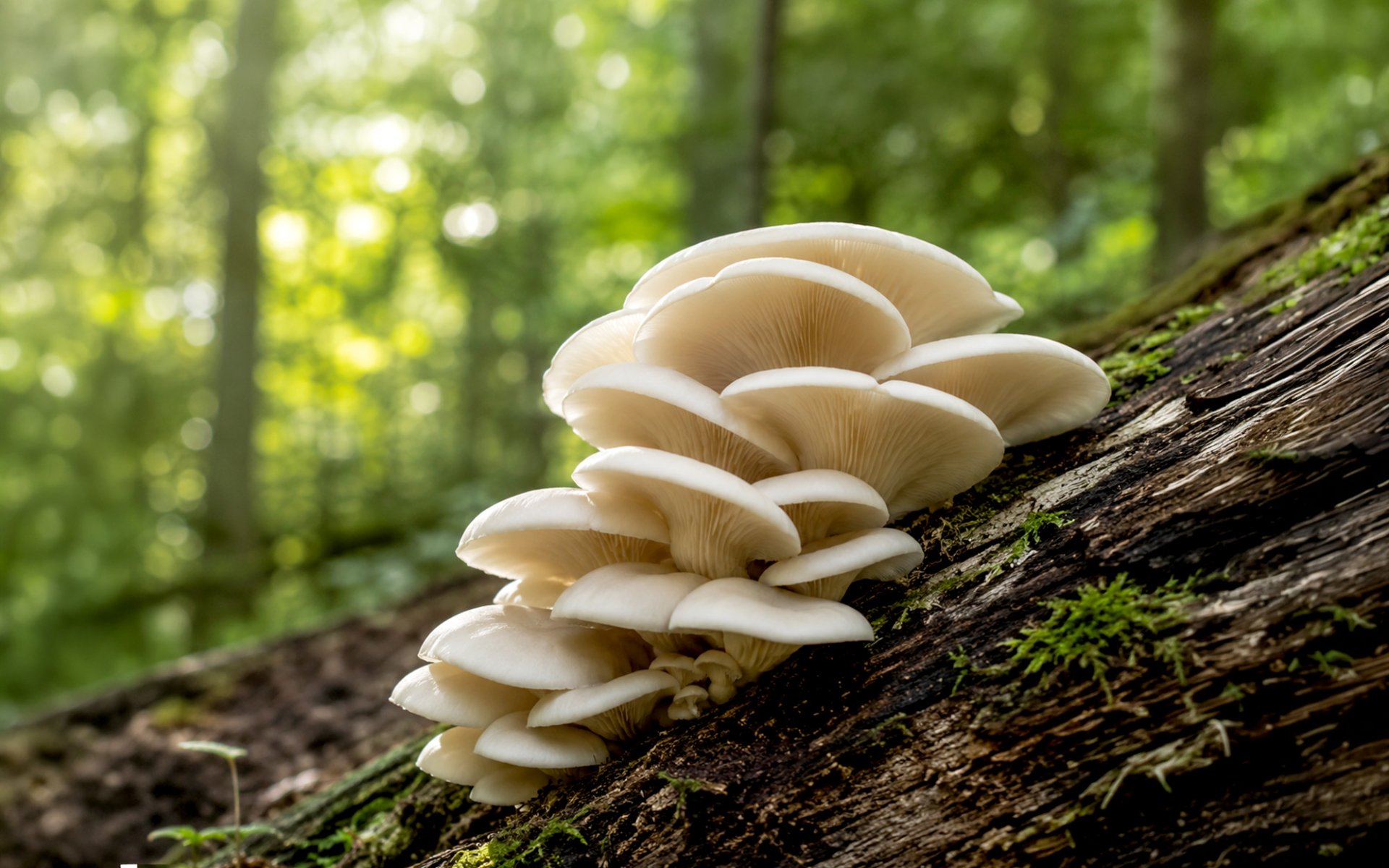
Mushrooms in the oyster mushroom family, scientifically known as Pleurotus, are among the world’s most economically important and nutritionally valuable edible mushrooms. They are easily recognized by their oyster shell-shaped caps and tender yet pleasantly meaty texture.
Among the many varieties within this family, the Hungarian Oyster Mushroom stands out for its remarkable history of strain development, cultivation innovations, and adaptability to a wide range of climates. These qualities have made it one of the most widely cultivated oyster mushroom varieties worldwide, including in Thailand.
Later, in 1871, German mycologist Paul Kummer reclassified the mushroom into a separate genus, naming it Pleurotus. The name derives from the ancient Greek words Pleurē (side) and Ous (ear), referring to the characteristic way the mushroom stem grows laterally from the cap.
In 1917, researcher Richard Falck successfully cultivated wild oyster mushroom mycelium on logs and tree stumps under experimental conditions. The results demonstrated that oyster mushrooms grew exceptionally well while providing valuable nutrients, including essential amino acids and B vitamins. This pioneering work laid the foundation for modern Pleurotus cultivation and eventually spread throughout Central Europe, including Hungary.
The mushroom typically produces medium to large fruiting bodies with fan-shaped or shell-like caps. The caps are usually cream-colored to yellowish-brown, though some may appear off-white. The flesh is thick and firm, while the stem is short and robust. The mushrooms grow in attractive, dense clusters and were later exported and studied internationally under the strain designation “POHU.”
Beyond its high productivity, the Hungarian Oyster Mushroom is especially valued for its ability to fruit across a broader temperature range than many other oyster mushroom varieties. It can grow and produce harvests under both relatively cool and warm conditions, earning recognition as one of the oyster mushroom strains with the widest temperature tolerance.
This characteristic provides a significant advantage for commercial cultivation. Many oyster mushroom varieties require relatively cool conditions and struggle to fruit during warmer seasons. Hungarian Oyster Mushrooms, however, continue to perform well across diverse environments, allowing growers to maintain more consistent production throughout the year.
This innovation replaced logs with agricultural by-products such as crushed corn cobs and wheat straw. The materials were fermented and heat-treated before being packed into large opaque plastic bags for mycelial growth. This method dramatically reduced cultivation time, increased production success rates, and significantly lowered contamination risks from competing fungi. The system became the foundation of the bag cultivation techniques now widely used throughout the world, including across Asia.
They are also exceptionally low in fat, containing only around 2–3% fat by dry weight, and are naturally cholesterol-free. These qualities make them an excellent choice for individuals seeking to manage their weight or support cardiovascular health.
In addition, they are rich in dietary fiber, particularly beta-glucans, specialized polysaccharides known for their role in supporting immune function, helping regulate blood sugar levels, and contributing to healthy cholesterol management.
They are also commonly used in spicy Thai mushroom salads. The mushrooms are shredded into strips, briefly blanched, and then tossed with flavorful Thai dressing. Their sponge-like structure allows them to absorb seasonings exceptionally well, resulting in a rich and well-balanced flavor.
Another popular preparation is Pad Krapao (Thai basil stir-fry), particularly among vegetarians and those looking to reduce meat consumption. When torn into bite-sized pieces and stir-fried with holy basil and seasonings, the mushrooms develop a juicy and substantial texture somewhat similar to chicken.
In Western and fusion cuisines, Hungarian Oyster Mushrooms are equally versatile. One popular preparation is a mushroom steak, where large, thick caps are grilled with butter, garlic, and rosemary, then lightly seasoned with salt and black pepper to highlight their natural flavors.
They are also excellent in creamy pasta dishes. Sliced mushrooms can be sautéed with bacon and onions before being simmered in cream and Parmesan cheese. The mushrooms’ natural umami flavor helps balance the richness of the cream sauce while adding depth and complexity.
Another well-loved Western dish is cream of mushroom soup. The mushrooms are sautéed with butter and onions until fragrant, then blended with stock and cream to create a smooth, velvety soup with a rich mushroom aroma and well-rounded flavor.
With its unique texture, impressive nutritional profile, and remarkable adaptability in the kitchen, the Hungarian Oyster Mushroom continues to be a favorite ingredient among home cooks, chefs, and mushroom growers around the world.
Among the many varieties within this family, the Hungarian Oyster Mushroom stands out for its remarkable history of strain development, cultivation innovations, and adaptability to a wide range of climates. These qualities have made it one of the most widely cultivated oyster mushroom varieties worldwide, including in Thailand.
The Origins of Oyster Mushrooms in Europe
The historical origins of oyster mushrooms did not begin in Hungary itself. The species was first documented scientifically in Europe in 1775 by Dutch botanist Nikolaus Joseph Freiherr von Jacquin, who classified it within the genus Agaricus and named it Agaricus ostreatus.Later, in 1871, German mycologist Paul Kummer reclassified the mushroom into a separate genus, naming it Pleurotus. The name derives from the ancient Greek words Pleurē (side) and Ous (ear), referring to the characteristic way the mushroom stem grows laterally from the cap.
The First Systematic Cultivation During World War I
The first systematic cultivation of oyster mushrooms began in Germany during World War I. At the time, Germany faced severe food shortages due to Allied naval blockades, resulting in widespread nutritional deficiencies among both civilians and soldiers. In response, the government encouraged scientists to identify alternative food sources that could be grown quickly with minimal resources.In 1917, researcher Richard Falck successfully cultivated wild oyster mushroom mycelium on logs and tree stumps under experimental conditions. The results demonstrated that oyster mushrooms grew exceptionally well while providing valuable nutrients, including essential amino acids and B vitamins. This pioneering work laid the foundation for modern Pleurotus cultivation and eventually spread throughout Central Europe, including Hungary.
The Birth of the Hungarian Oyster Mushroom Strain
The Hungarian Oyster Mushroom itself was developed in Hungary after World War II. Hungarian researchers successfully selected and improved wild oyster mushroom strains, creating a stable variety with characteristics that distinguished it from other members of the same genus.The mushroom typically produces medium to large fruiting bodies with fan-shaped or shell-like caps. The caps are usually cream-colored to yellowish-brown, though some may appear off-white. The flesh is thick and firm, while the stem is short and robust. The mushrooms grow in attractive, dense clusters and were later exported and studied internationally under the strain designation “POHU.”
Beyond its high productivity, the Hungarian Oyster Mushroom is especially valued for its ability to fruit across a broader temperature range than many other oyster mushroom varieties. It can grow and produce harvests under both relatively cool and warm conditions, earning recognition as one of the oyster mushroom strains with the widest temperature tolerance.
This characteristic provides a significant advantage for commercial cultivation. Many oyster mushroom varieties require relatively cool conditions and struggle to fruit during warmer seasons. Hungarian Oyster Mushrooms, however, continue to perform well across diverse environments, allowing growers to maintain more consistent production throughout the year.
The HTTV Patent: Revolutionizing Global Mushroom Cultivation
Historically, oyster mushroom cultivation relied heavily on natural logs and wood substrates, a method that was time-consuming and difficult to control. A major breakthrough occurred in 1969 when Hungary patented a new cultivation system known as the HTTV Patent (Hungarian Sterile Production Method).This innovation replaced logs with agricultural by-products such as crushed corn cobs and wheat straw. The materials were fermented and heat-treated before being packed into large opaque plastic bags for mycelial growth. This method dramatically reduced cultivation time, increased production success rates, and significantly lowered contamination risks from competing fungi. The system became the foundation of the bag cultivation techniques now widely used throughout the world, including across Asia.
Impressive Nutritional Profile and Health Benefits
From a nutritional standpoint, Hungarian Oyster Mushrooms are highly impressive. They contain approximately 15–30% protein on a dry-weight basis and provide a complete profile of essential amino acids according to standards established by the Food and Agriculture Organization (FAO).They are also exceptionally low in fat, containing only around 2–3% fat by dry weight, and are naturally cholesterol-free. These qualities make them an excellent choice for individuals seeking to manage their weight or support cardiovascular health.
In addition, they are rich in dietary fiber, particularly beta-glucans, specialized polysaccharides known for their role in supporting immune function, helping regulate blood sugar levels, and contributing to healthy cholesterol management.
Culinary Applications of Hungarian Oyster Mushrooms
In Thai cuisine, Hungarian Oyster Mushrooms serve as an excellent substitute for straw mushrooms in Tom Yum soup. Their thick, firm caps provide a satisfying texture reminiscent of meat, making them particularly suitable for this iconic dish.They are also commonly used in spicy Thai mushroom salads. The mushrooms are shredded into strips, briefly blanched, and then tossed with flavorful Thai dressing. Their sponge-like structure allows them to absorb seasonings exceptionally well, resulting in a rich and well-balanced flavor.
Another popular preparation is Pad Krapao (Thai basil stir-fry), particularly among vegetarians and those looking to reduce meat consumption. When torn into bite-sized pieces and stir-fried with holy basil and seasonings, the mushrooms develop a juicy and substantial texture somewhat similar to chicken.
In Western and fusion cuisines, Hungarian Oyster Mushrooms are equally versatile. One popular preparation is a mushroom steak, where large, thick caps are grilled with butter, garlic, and rosemary, then lightly seasoned with salt and black pepper to highlight their natural flavors.
They are also excellent in creamy pasta dishes. Sliced mushrooms can be sautéed with bacon and onions before being simmered in cream and Parmesan cheese. The mushrooms’ natural umami flavor helps balance the richness of the cream sauce while adding depth and complexity.
Another well-loved Western dish is cream of mushroom soup. The mushrooms are sautéed with butter and onions until fragrant, then blended with stock and cream to create a smooth, velvety soup with a rich mushroom aroma and well-rounded flavor.
With its unique texture, impressive nutritional profile, and remarkable adaptability in the kitchen, the Hungarian Oyster Mushroom continues to be a favorite ingredient among home cooks, chefs, and mushroom growers around the world.
Tags :
Related Content

Tracing the History of "Narutomaki" (ナルト/なると) : A Food Integral to Japanese Culture for Centuries