Coronation Chicken
Last updated: 21 Jul 2026
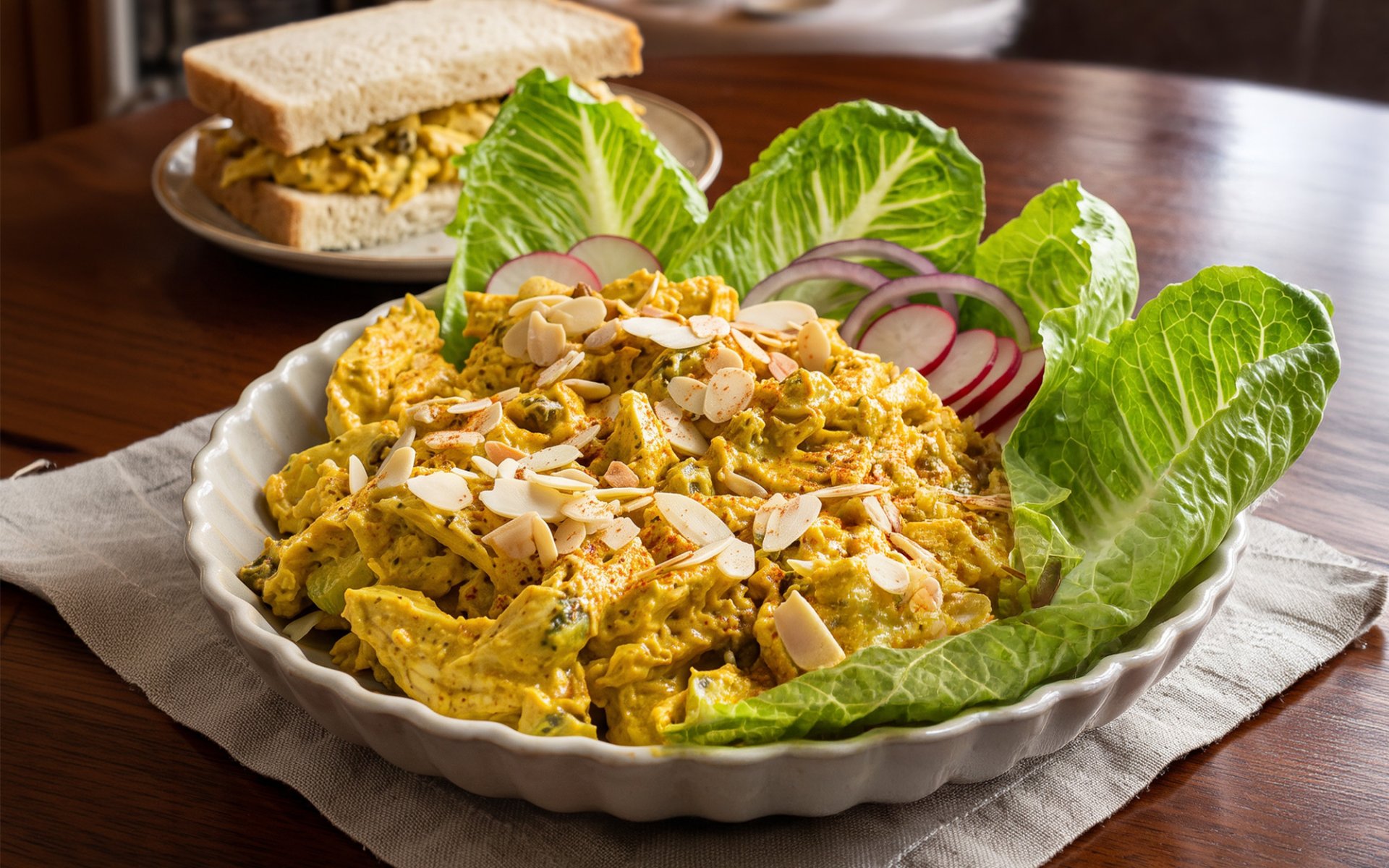
This iconic British dish is made with cooked chicken pieces mixed with a flavorful sauce consisting mainly of mayonnaise, curry powder, tomato purée, and red wine. The result is a perfectly balanced combination of sweet and tangy flavors, complemented by the distinctive aroma of spices. Traditionally served cold, Coronation Chicken can be enjoyed in many ways, including as a sandwich filling, salad topping, baked potato accompaniment, or served alongside rice and fresh vegetables.
During this period, many essential ingredients—including meat, butter, sugar, eggs, and other food supplies—remained limited. As a result, British cuisine became centered around simple, economical meals with modest flavors. Imported ingredients were also difficult to obtain, leading British food during the late 1940s to be perceived as relatively plain compared with cuisines from other parts of the world.
However, by the early 1950s, Britain’s economy began to recover. International trade gradually expanded, and ingredients from Commonwealth countries and former colonies—such as curry powder, spices, and dried fruits—started returning to British markets. This allowed British consumers to experience new flavors and culinary influences beyond traditional local dishes.
The coronation was not only a major royal ceremony but also represented hope, renewal, and the beginning of a new era after the hardships of World War II. It symbolized Britain’s return to stability and its optimism for the future.
To prepare a special meal for distinguished guests from around the world attending the ceremony, the British government commissioned Constance Spry, a renowned florist and food writer, together with Rosemary Hume, Principal of Le Cordon Bleu London, to create a new dish that would represent the image of a modern United Kingdom.
The dish they created was called “Poulet Reine Elizabeth”, meaning “Queen Elizabeth Chicken”, which later became widely known as Coronation Chicken.
The finished dish represented a unique combination of British culinary traditions and international influences. The gentle creaminess of mayonnaise reflected classic European cooking, while the fragrant curry spices represented the influence of the Commonwealth, particularly India, which had played a significant role in shaping British cuisine during the 20th century.
Jubilee Chicken was a dish made with chicken, mayonnaise, and curry seasoning. The concept was later refined and adapted by Constance Spry and Rosemary Hume to create a more suitable recipe for the coronation celebrations of Queen Elizabeth II.
The new version was designed to reflect the atmosphere of post-war Britain—elegant enough for an important royal event, yet practical enough to be prepared on a large scale during a period when resources were still limited.
This choice was largely influenced by the economic conditions of post-war Britain. Fresh spices from overseas were still expensive and difficult to source, while curry powder was more affordable, easier to store, and readily available. It was therefore a practical solution for creating a flavorful dish that could be prepared in large quantities without relying on expensive ingredients.
This decision also reflected the historical relationship between Britain and its former colonies. The use of curry powder and Eastern spices highlighted the influence of the British Empire, particularly India, on the development of modern British cuisine.
Therefore, Coronation Chicken was not simply a dish created for a royal celebration—it also became a cultural symbol that demonstrated how global influences had become integrated into British food traditions.
This reflected the desire to encourage public participation in the event, whether people lived in London or other parts of the country. During the coronation celebrations, many communities organized street parties, where neighbors gathered together to share food and celebrate the occasion.
Through this public exposure, Coronation Chicken gradually transformed from a formal royal banquet dish into a meal accessible to ordinary households. It became a symbol of national celebration and eventually developed into one of Britain’s most beloved classic dishes.
Today, it remains a familiar part of British food culture, especially as a popular sandwich filling found in supermarkets, cafés, and catering services throughout the United Kingdom.
More than just a recipe, Coronation Chicken represents a significant moment in British history—a dish born from the optimism of a nation rebuilding after war, combining traditional British cooking with global influences, and creating a culinary legacy that has lasted for generations.
The Origins of Coronation Chicken in Post-War Britain
The story of Coronation Chicken began after the end of World War II in 1945, when the United Kingdom faced severe economic challenges. Although Britain emerged as one of the victorious nations, the country was burdened with enormous debts and financial difficulties. Everyday life remained affected by the food rationing system, which had been introduced in 1940 and continued for several years after the war ended.During this period, many essential ingredients—including meat, butter, sugar, eggs, and other food supplies—remained limited. As a result, British cuisine became centered around simple, economical meals with modest flavors. Imported ingredients were also difficult to obtain, leading British food during the late 1940s to be perceived as relatively plain compared with cuisines from other parts of the world.
However, by the early 1950s, Britain’s economy began to recover. International trade gradually expanded, and ingredients from Commonwealth countries and former colonies—such as curry powder, spices, and dried fruits—started returning to British markets. This allowed British consumers to experience new flavors and culinary influences beyond traditional local dishes.
A Dish Created for a Historic Royal Occasion
During this period of national recovery, the British government began preparations for the coronation of Queen Elizabeth II, which took place on 2 June 1953 at Westminster Abbey.The coronation was not only a major royal ceremony but also represented hope, renewal, and the beginning of a new era after the hardships of World War II. It symbolized Britain’s return to stability and its optimism for the future.
To prepare a special meal for distinguished guests from around the world attending the ceremony, the British government commissioned Constance Spry, a renowned florist and food writer, together with Rosemary Hume, Principal of Le Cordon Bleu London, to create a new dish that would represent the image of a modern United Kingdom.
The dish they created was called “Poulet Reine Elizabeth”, meaning “Queen Elizabeth Chicken”, which later became widely known as Coronation Chicken.
The Creation of the Original Coronation Chicken Recipe
The original recipe consisted of poached chicken mixed with a sauce made from mayonnaise, curry powder, tomato purée, red wine, water, and bay leaves. The mixture was simmered until the sauce developed a rich and balanced flavor, then seasoned with sugar, salt, pepper, and lemon juice before being combined with the chicken and garnished with herbs.The finished dish represented a unique combination of British culinary traditions and international influences. The gentle creaminess of mayonnaise reflected classic European cooking, while the fragrant curry spices represented the influence of the Commonwealth, particularly India, which had played a significant role in shaping British cuisine during the 20th century.
The Inspiration Behind Coronation Chicken
Part of the inspiration for Coronation Chicken came from an earlier dish known as “Jubilee Chicken”, which was created in 1935 to celebrate the Silver Jubilee, marking the 25th anniversary of the reign of King George V.Jubilee Chicken was a dish made with chicken, mayonnaise, and curry seasoning. The concept was later refined and adapted by Constance Spry and Rosemary Hume to create a more suitable recipe for the coronation celebrations of Queen Elizabeth II.
The new version was designed to reflect the atmosphere of post-war Britain—elegant enough for an important royal event, yet practical enough to be prepared on a large scale during a period when resources were still limited.
Why Curry Powder Became a Key Ingredient
One important aspect of Coronation Chicken is the use of curry powder rather than fresh spices.This choice was largely influenced by the economic conditions of post-war Britain. Fresh spices from overseas were still expensive and difficult to source, while curry powder was more affordable, easier to store, and readily available. It was therefore a practical solution for creating a flavorful dish that could be prepared in large quantities without relying on expensive ingredients.
This decision also reflected the historical relationship between Britain and its former colonies. The use of curry powder and Eastern spices highlighted the influence of the British Empire, particularly India, on the development of modern British cuisine.
Therefore, Coronation Chicken was not simply a dish created for a royal celebration—it also became a cultural symbol that demonstrated how global influences had become integrated into British food traditions.
From Royal Banquet Dish to National Favorite
Unlike many dishes created for royal occasions, Coronation Chicken was not kept exclusively within royal circles. The recipe was published in newspapers and magazines before the coronation, allowing people throughout Britain to prepare and enjoy the same dish during this historic celebration.This reflected the desire to encourage public participation in the event, whether people lived in London or other parts of the country. During the coronation celebrations, many communities organized street parties, where neighbors gathered together to share food and celebrate the occasion.
Through this public exposure, Coronation Chicken gradually transformed from a formal royal banquet dish into a meal accessible to ordinary households. It became a symbol of national celebration and eventually developed into one of Britain’s most beloved classic dishes.
The Legacy of Coronation Chicken
After the coronation celebrations of 1953, Coronation Chicken continued to grow in popularity. Over the decades, the recipe has been adapted in countless ways, with variations including the addition of raisins, apricots, almonds, yogurt, or different spice blends.Today, it remains a familiar part of British food culture, especially as a popular sandwich filling found in supermarkets, cafés, and catering services throughout the United Kingdom.
More than just a recipe, Coronation Chicken represents a significant moment in British history—a dish born from the optimism of a nation rebuilding after war, combining traditional British cooking with global influences, and creating a culinary legacy that has lasted for generations.
Tags :
Related Content


Get to Know “Taberu Layu” (食べるラー油): The Japanese Chili Oil Innovation That Became a Nationwide Craze