Locro
Last updated: 30 Jul 2026
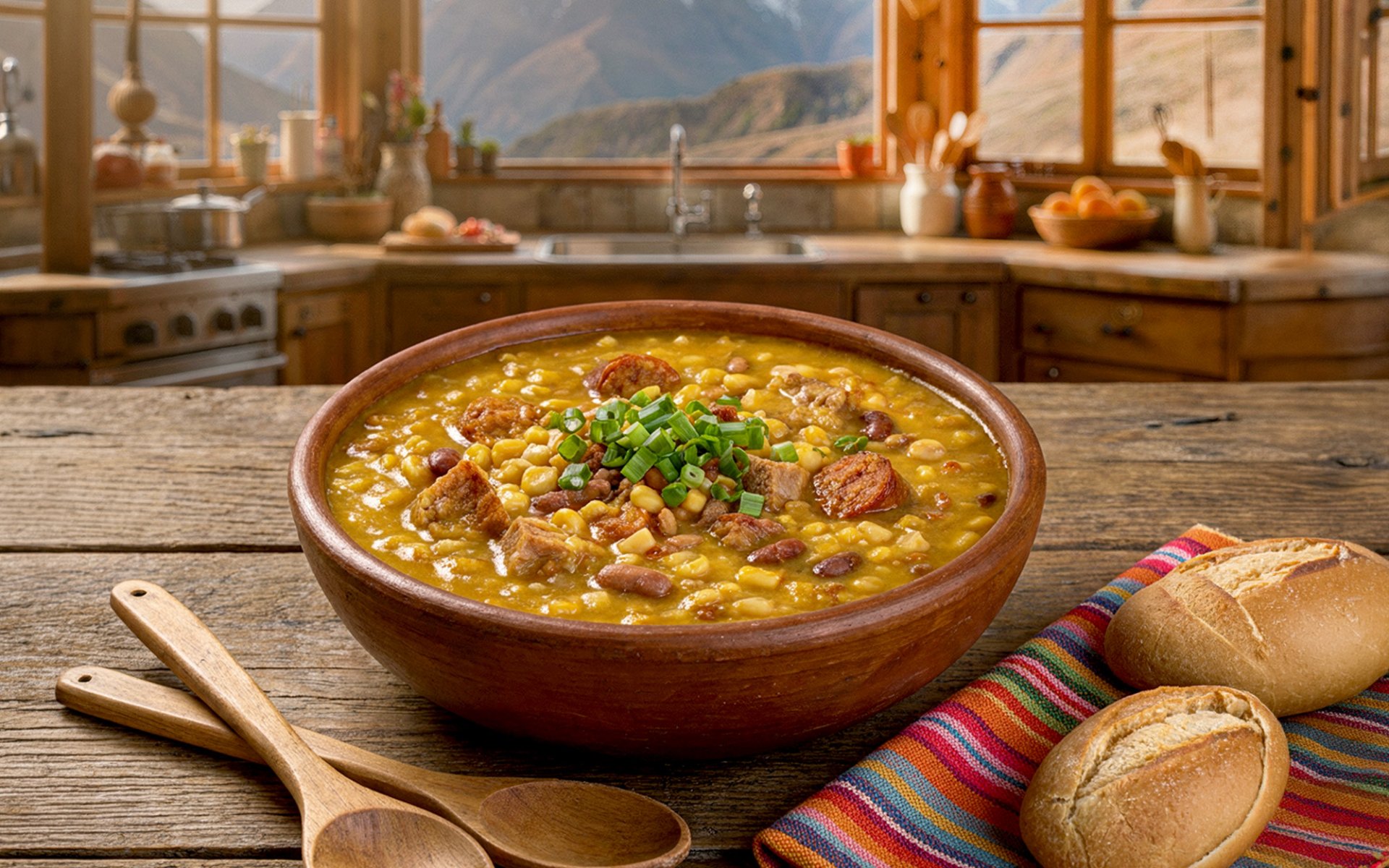
Locro is an ancient indigenous stew that originated among the native peoples of the Andes Mountains in South America and is widely recognized as one of Argentina’s national dishes. It is prepared by slowly simmering ingredients such as corn, pumpkin, white beans, and various types of meat, including pork, beef, and chorizo sausage, until they combine into a rich and flavorful stew. Locro is often served with a spicy sauce known as Quiquirimichi.
Due to the cold climate of the Andes Mountains, combined with the fertility of the agricultural lands, indigenous communities developed the practice of combining harvested crops in large pots to create a hearty stew. This dish provided warmth, energy, and nourishment, making it ideal for sustaining life in the challenging high-altitude environment.
The earliest versions of Locro were relatively simple, relying primarily on seasonal local ingredients such as corn, potatoes, pumpkins, beans, and various vegetables. These ingredients were slowly cooked for an extended period until they blended together into a thick, flavorful stew that was both satisfying and highly nutritious.
For the Quechua and Aymara peoples, preparing Locro was not merely a way of making food for survival; it was also an activity that reflected the importance of community life. Members of the community participated together in every stage of the process, from harvesting crops and preparing ingredients to cooking the stew in large pots that were shared among everyone.
The Spanish introduced domesticated animals and European ingredients to the Andes region, including cattle and pigs, which had never existed in South America before. These animals became new sources of protein and fat, significantly influencing the cooking methods and dietary patterns of indigenous communities.
In addition, the Spanish introduced ingredients such as onions, garlic, and spices including cumin and paprika. These new elements added greater complexity to the aromas and flavors of indigenous dishes like Locro, creating a unique culinary identity that reflected the harmonious blending of Old World and New World food cultures.
Beef, pork, bacon, chorizo sausage, pork feet, and various types of offal, such as tripe, were added and slowly simmered together with corn, pumpkin, and beans. This created a rich, hearty stew with deep flavors, high nutritional value, and a distinctive character that became the foundation of the Locro known today.
The addition of animal fats and richer flavors transformed Locro from a simple indigenous stew into a high-energy dish that was filling, affordable, and accessible to a wide range of people. Because of these qualities, Locro became particularly popular among working-class communities, enslaved people, soldiers, and the “Gauchos” — the legendary cowboys of Argentina’s Pampas grasslands — who required substantial energy for outdoor labor and had to endure challenging environments throughout the day.
The most distinctive characteristic of Argentine Locro is its traditional accompaniment, the spicy sauce known as “Quiquirimichi.” This fiery chili sauce adds another layer of flavor to the stew. It is typically made by frying animal fat or vegetable oil together with chili powder, paprika, onions, and cumin. Before eating, the sauce is poured over the top of the stew to enhance its richness, add a spicy kick, and balance the heaviness of the meat fats simmered within the Locro, creating a more harmonious flavor profile.
This version is a vegetarian stew that centers around native potatoes. Different varieties of potatoes are simmered until they break down and create a thick, creamy soup. Fresh milk and soft cheese are added to enhance its richness and smooth texture. The golden-yellow color of the soup often comes from Annatto seeds, known locally as Achiote.
When served, Locro de Papa is traditionally accompanied by fresh avocado slices and Ají chili peppers, adding freshness, creaminess, and a mild spicy contrast to the dish.
Locro in this region is generally simpler compared with the Argentine version, focusing on native ingredients that grow naturally in the surrounding environment, such as corn, potatoes, beans, and various local root vegetables. It also commonly incorporates Huacatay, an aromatic native herb with a distinctive fragrance that plays an important role in enhancing the flavor of the stew.
In some areas, Chuño (freeze-dried potatoes traditionally produced through Andean preservation methods) is also used. Certain variations may include Llama meat, reflecting the lifestyle of highland communities that have long relied on native animals as both sources of food and essential resources for survival.
Indigenous Roots: The Culinary Traditions of the Andes
Locro has its roots in the culinary traditions of indigenous communities living in the Andes region, particularly the Quechua and Aymara peoples, who inhabited areas of the western regions of South America. These indigenous groups were highly skilled farmers and cultivated a wide variety of native crops, including corn, potatoes, beans, and pumpkins, all of which became essential ingredients in the preparation of Locro.Due to the cold climate of the Andes Mountains, combined with the fertility of the agricultural lands, indigenous communities developed the practice of combining harvested crops in large pots to create a hearty stew. This dish provided warmth, energy, and nourishment, making it ideal for sustaining life in the challenging high-altitude environment.
The earliest versions of Locro were relatively simple, relying primarily on seasonal local ingredients such as corn, potatoes, pumpkins, beans, and various vegetables. These ingredients were slowly cooked for an extended period until they blended together into a thick, flavorful stew that was both satisfying and highly nutritious.
For the Quechua and Aymara peoples, preparing Locro was not merely a way of making food for survival; it was also an activity that reflected the importance of community life. Members of the community participated together in every stage of the process, from harvesting crops and preparing ingredients to cooking the stew in large pots that were shared among everyone.
The Columbian Exchange: A Turning Point in Culinary History
The most significant transformation in the history of Locro occurred during the 16th century, when Spanish conquistadors led by Francisco Pizarro arrived in the Inca Empire. This event contributed to what historians refer to as the “Columbian Exchange”, a widespread exchange of plants, animals, ingredients, technologies, and cultural practices between the Old World and the New World. This exchange dramatically transformed food traditions throughout South America.The Spanish introduced domesticated animals and European ingredients to the Andes region, including cattle and pigs, which had never existed in South America before. These animals became new sources of protein and fat, significantly influencing the cooking methods and dietary patterns of indigenous communities.
In addition, the Spanish introduced ingredients such as onions, garlic, and spices including cumin and paprika. These new elements added greater complexity to the aromas and flavors of indigenous dishes like Locro, creating a unique culinary identity that reflected the harmonious blending of Old World and New World food cultures.
“Mestizaje”: The Blending of Old and New World Cultures
This combination of ingredients from two different continents gave rise to the concept of “Mestizaje”, referring to the cultural and social blending that occurred after the encounter between indigenous and European societies. Through this process, Locro gradually evolved from a simple stew made primarily with native crops into a dish that beautifully combined indigenous ingredients with European influences.Beef, pork, bacon, chorizo sausage, pork feet, and various types of offal, such as tripe, were added and slowly simmered together with corn, pumpkin, and beans. This created a rich, hearty stew with deep flavors, high nutritional value, and a distinctive character that became the foundation of the Locro known today.
The addition of animal fats and richer flavors transformed Locro from a simple indigenous stew into a high-energy dish that was filling, affordable, and accessible to a wide range of people. Because of these qualities, Locro became particularly popular among working-class communities, enslaved people, soldiers, and the “Gauchos” — the legendary cowboys of Argentina’s Pampas grasslands — who required substantial energy for outdoor labor and had to endure challenging environments throughout the day.
The Origins of the Name “Locro”
The name “Locro” is believed to have originated from the Quechua language, possibly evolving from the words “Ruqru” or “Luqru.” However, after Spanish influence spread throughout Latin America following colonization, the pronunciation gradually changed, eventually becoming the term “Locro” widely used today. Some historical sources also suggest that in its earliest forms, this stew may have been referred to as “Luqru,” “Ruqru,” or “Rucru,” depending on local Quechua dialects, before the name evolved under the influence of the Spanish language.Regional Variations of Locro Across South America
Due to the vast geographical diversity of South America, Locro has been adapted and developed according to the local ingredients and culinary traditions of each region. As a result, various versions of Locro exist today, each reflecting the unique identity of its country and community.Argentine Locro
This version is considered the most widely recognized and internationally known form of Locro. Its main ingredients include pumpkin, corn, white beans, and a variety of meats such as beef, pork, bacon, and chorizo sausage.The most distinctive characteristic of Argentine Locro is its traditional accompaniment, the spicy sauce known as “Quiquirimichi.” This fiery chili sauce adds another layer of flavor to the stew. It is typically made by frying animal fat or vegetable oil together with chili powder, paprika, onions, and cumin. Before eating, the sauce is poured over the top of the stew to enhance its richness, add a spicy kick, and balance the heaviness of the meat fats simmered within the Locro, creating a more harmonious flavor profile.
Ecuadorian Locro de Papa
While Argentine Locro places greater emphasis on corn and various types of meat, Ecuador has developed its own distinctive version known as “Locro de Papa.”This version is a vegetarian stew that centers around native potatoes. Different varieties of potatoes are simmered until they break down and create a thick, creamy soup. Fresh milk and soft cheese are added to enhance its richness and smooth texture. The golden-yellow color of the soup often comes from Annatto seeds, known locally as Achiote.
When served, Locro de Papa is traditionally accompanied by fresh avocado slices and Ají chili peppers, adding freshness, creaminess, and a mild spicy contrast to the dish.
Peruvian and Bolivian Locro
This version of Locro is considered one of the forms that most faithfully preserves the original roots of Andean culinary traditions. Peru and Bolivia were once important centers of the Inca Empire, and as a result, the region continues to preserve the influence of indigenous ingredients, cooking techniques, and traditional knowledge passed down through generations.Locro in this region is generally simpler compared with the Argentine version, focusing on native ingredients that grow naturally in the surrounding environment, such as corn, potatoes, beans, and various local root vegetables. It also commonly incorporates Huacatay, an aromatic native herb with a distinctive fragrance that plays an important role in enhancing the flavor of the stew.
In some areas, Chuño (freeze-dried potatoes traditionally produced through Andean preservation methods) is also used. Certain variations may include Llama meat, reflecting the lifestyle of highland communities that have long relied on native animals as both sources of food and essential resources for survival.
Tags :
Related Content