Pulled Pork
Last updated: 10 Aug 2026
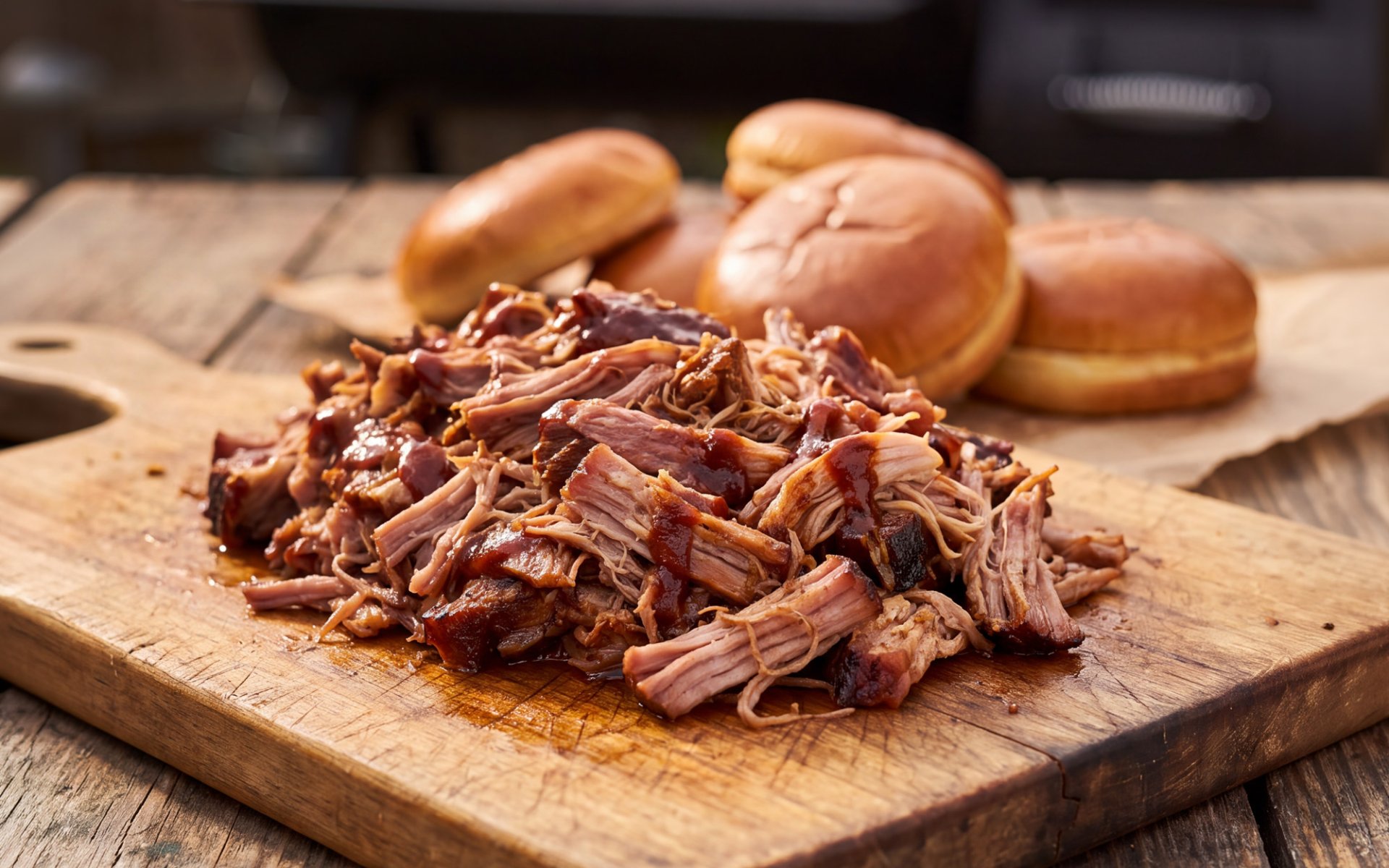
Pulled Pork is one of the most famous and widely enjoyed barbecue dishes in the world. Its defining characteristic is the use of a low-temperature, long-duration cooking method known as “Low and Slow.” This technique allows the pork to cook gradually until the meat becomes tender and falls apart easily, making it possible to pull or shred it into thin strands. It is then commonly served with barbecue sauce or bread, although the way Pulled Pork is prepared and enjoyed varies according to local traditions and regional barbecue cultures.
The Taíno used a distinctive method of cooking meat, including fish, lizards, iguanas, and other small animals, by placing the meat on a raised wooden framework positioned above a fire or glowing embers. The gentle heat rising from below allowed the meat to cook gradually and evenly, while smoke from the wood and charcoal penetrated the meat, giving it a distinctive aroma and flavor.
When the Spanish arrived in the Caribbean in the late 15th century, they encountered this method of cooking and adopted a word from the Indigenous language to describe the technique: “Barbacoa.” The term subsequently appeared in Spanish records and eventually evolved into the English word “barbecue.” The Spanish then helped spread this style of cooking to other parts of the Americas.
Later, in 1607, when English settlers arrived at Jamestown in the Virginia Colony, pigs became an important part of colonial communities. Pig farming subsequently spread throughout the American South, and pork became one of the most important ingredients in the region’s culinary traditions and food culture.
As barbecue culture gradually evolved from whole-hog cooking at community gatherings into a commercial restaurant tradition, the use of specific cuts of pork became increasingly common. The pork shoulder emerged as the preferred cut for Pulled Pork because it contains an ideal balance of fat and connective tissue for long, slow cooking.
When pork shoulder is exposed to low heat for an extended period, its connective tissues gradually break down and transform into gelatin, while the fat slowly renders and penetrates the surrounding meat. This process gives the pork its characteristic tenderness and juiciness, allowing it to be easily pulled apart with a fork or by hand.
In Eastern North Carolina, traditional barbecue sauce is primarily made from vinegar, chili, and salt. The result is a thin, light sauce with a sharp combination of acidity, saltiness, and heat. This style differs considerably from the thick, sweet barbecue sauces that many consumers around the world are familiar with today.
In Western North Carolina, particularly in the Lexington-style barbecue tradition, tomato or ketchup is commonly added to the sauce. This gives it a darker color and a sweeter, more rounded flavor while retaining the acidity of vinegar, which remains an essential component of barbecue sauce in the region.
Indigenous Caribbean Roots and the Origin of "Barbacoa"
The origins of the cooking techniques that eventually led to the development of Pulled Pork can be traced back to the culinary traditions of Indigenous peoples in the Caribbean, particularly the Taíno, one of the major Indigenous groups that inhabited the Caribbean islands for centuries.The Taíno used a distinctive method of cooking meat, including fish, lizards, iguanas, and other small animals, by placing the meat on a raised wooden framework positioned above a fire or glowing embers. The gentle heat rising from below allowed the meat to cook gradually and evenly, while smoke from the wood and charcoal penetrated the meat, giving it a distinctive aroma and flavor.
When the Spanish arrived in the Caribbean in the late 15th century, they encountered this method of cooking and adopted a word from the Indigenous language to describe the technique: “Barbacoa.” The term subsequently appeared in Spanish records and eventually evolved into the English word “barbecue.” The Spanish then helped spread this style of cooking to other parts of the Americas.
The Arrival of Pigs in the Americas and Colonial Life
Pigs were not native to the Americas but were introduced by the Spanish. In 1539, Spanish explorer Hernando de Soto brought 13 Iberian pigs ashore in what is now the state of Florida. These pigs adapted remarkably well to their new environment. They were often allowed to forage freely, feeding on acorns, roots, and wild fruits, and required relatively little care. As a result, their populations expanded and spread rapidly throughout the region.Later, in 1607, when English settlers arrived at Jamestown in the Virginia Colony, pigs became an important part of colonial communities. Pig farming subsequently spread throughout the American South, and pork became one of the most important ingredients in the region’s culinary traditions and food culture.
The Evolution of the Dish: From Whole Hog to Tender Pork Shoulder
The widespread availability of pork in the southern United States, combined with the adoption of the “Low and Slow” cooking technique, played an important role in the development of Pulled Pork. In its early forms, whole hogs were commonly cooked over a fire at a low temperature for many hours. Once the meat became tender, the bones were removed and the meat was chopped or pulled into smaller pieces before being mixed with a thin vinegar-based sauce made with black pepper, chili, and salt.As barbecue culture gradually evolved from whole-hog cooking at community gatherings into a commercial restaurant tradition, the use of specific cuts of pork became increasingly common. The pork shoulder emerged as the preferred cut for Pulled Pork because it contains an ideal balance of fat and connective tissue for long, slow cooking.
When pork shoulder is exposed to low heat for an extended period, its connective tissues gradually break down and transform into gelatin, while the fat slowly renders and penetrates the surrounding meat. This process gives the pork its characteristic tenderness and juiciness, allowing it to be easily pulled apart with a fork or by hand.
Regional BBQ Sauces: The Distinct Flavors of Carolina
What distinguishes Pulled Pork from other forms of smoked pork is not only its tender, shredded texture but also the sauces and seasonings used to prepare it. These elements vary significantly across different barbecue regions of the United States, creating distinctive regional styles.In Eastern North Carolina, traditional barbecue sauce is primarily made from vinegar, chili, and salt. The result is a thin, light sauce with a sharp combination of acidity, saltiness, and heat. This style differs considerably from the thick, sweet barbecue sauces that many consumers around the world are familiar with today.
In Western North Carolina, particularly in the Lexington-style barbecue tradition, tomato or ketchup is commonly added to the sauce. This gives it a darker color and a sweeter, more rounded flavor while retaining the acidity of vinegar, which remains an essential component of barbecue sauce in the region.
Tags :
Related Content

Get to Know Shepherds and Cottage Pie: From Humble Shepherds Fare to English Aristocratic Delicacy


A Sweet Journey Through History: The Fascinating Story of Gummy Bears, Childhood Favorites