Cava
Last updated: 3 Sept 2026
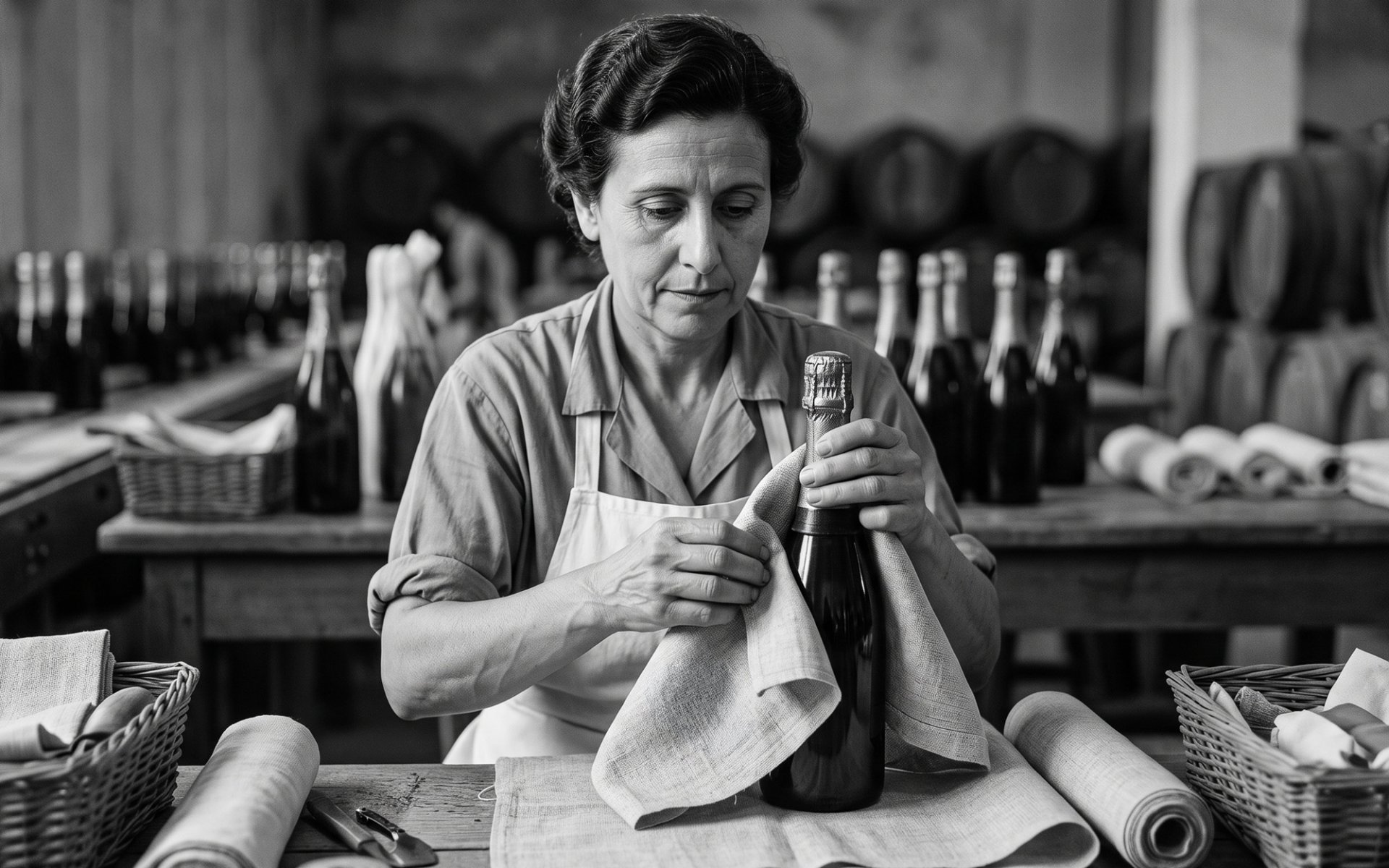
When people think of sparkling wine, Champagne from France is often the first name that comes to mind. However, the world of wine is home to many other sparkling wines with long histories and distinctive identities. One of them is Cava, Spain’s renowned sparkling wine, which originated in the Penedès region of Catalonia.
Before Cava came into existence, Penedès already had a winemaking tradition stretching back thousands of years. Archaeological evidence indicates that grape cultivation and wine production were practiced in the area before the Roman era, influenced in part by the Phoenicians, who sailed across the Mediterranean and established extensive trading networks along its coast in ancient times.
From the mid to late 19th century, Phylloxera spread throughout Europe, devastating vineyards on an unprecedented scale. Penedès was also severely affected. Many growers were forced to uproot damaged vines and replant large areas of their vineyards.
Rather than simply returning to the red grape varieties traditionally grown in the region, however, growers in Penedès increasingly turned to white grape varieties that were well suited to the local soil and climate, particularly Macabeo (or Viura), Xarel·lo, and Parellada. These three varieties would later become the principal grapes associated with Cava production.
After returning home, Josep applied what he had learned to the indigenous grape varieties of Penedès. In 1872, he successfully produced sparkling wine through bottle fermentation. This achievement is widely regarded as a major milestone in the development of Cava, although the wine did not yet have the name “Cava” at that time. The success also inspired other winemakers in the region to experiment with the same method, gradually establishing sparkling wine production throughout Penedès.
Meanwhile, major producers such as Codorníu expanded rapidly, constructing large underground cellars to accommodate growing production. Influenced by the Modernist architectural movement that was flourishing in Catalonia at the time, these vast wine cellars became known as “Cathedrals of Wine” and eventually became important symbols of the wine industry in Penedès.
As a result, Spanish producers recognized the need for a distinctive name of their own—one that could establish a clear identity and avoid confusion with French Champagne. This eventually led to the official adoption of the name Cava in the early 1970s.
The word Cava means “cave” or “cellar” in Spanish, referring to the cool, dark underground spaces traditionally used to age sparkling wine during its second fermentation. The name therefore reflects both the traditional place of maturation and the character of the production process, rather than borrowing an identity from a foreign wine region.
Regulations governing Cava continued to develop over time, eventually becoming part of Spain’s official system of wine appellations and quality control. When Spain joined the European Economic Community (EEC) in 1986, Cava also became part of the European framework for wine protection. This strengthened production standards, geographical protection, and quality controls, helping Cava gain greater recognition in international markets.
In 1991, the regulations governing D.O. Cava were formally established, together with an official regulatory body responsible for overseeing production standards, controlling quality, and protecting the use of the name Cava as a distinctive Spanish sparkling wine.
Before Cava came into existence, Penedès already had a winemaking tradition stretching back thousands of years. Archaeological evidence indicates that grape cultivation and wine production were practiced in the area before the Roman era, influenced in part by the Phoenicians, who sailed across the Mediterranean and established extensive trading networks along its coast in ancient times.
From Still Red Wines to the Phylloxera Crisis
However, Penedès was not originally known as a region for sparkling wine. Instead, it was one of many Spanish wine-producing areas primarily associated with still red wines for domestic consumption. The major turning point in the region’s wine history came from an unexpected event: the spread of Phylloxera, a tiny insect that attacks the roots of grapevines and eventually causes the vines to die.From the mid to late 19th century, Phylloxera spread throughout Europe, devastating vineyards on an unprecedented scale. Penedès was also severely affected. Many growers were forced to uproot damaged vines and replant large areas of their vineyards.
Rather than simply returning to the red grape varieties traditionally grown in the region, however, growers in Penedès increasingly turned to white grape varieties that were well suited to the local soil and climate, particularly Macabeo (or Viura), Xarel·lo, and Parellada. These three varieties would later become the principal grapes associated with Cava production.
The Birth of Spanish Sparkling Wine and the "Cathedrals of Wine"
Amid the upheaval of vineyard reconstruction, Josep Raventós Fatjó, a member of the Raventós family and manager of the Codorníu winery, travelled to the Champagne region of France to study the production of sparkling wine using the Traditional Method (Méthode Champenoise). This method creates carbon dioxide naturally through a second fermentation inside a sealed bottle.After returning home, Josep applied what he had learned to the indigenous grape varieties of Penedès. In 1872, he successfully produced sparkling wine through bottle fermentation. This achievement is widely regarded as a major milestone in the development of Cava, although the wine did not yet have the name “Cava” at that time. The success also inspired other winemakers in the region to experiment with the same method, gradually establishing sparkling wine production throughout Penedès.
Meanwhile, major producers such as Codorníu expanded rapidly, constructing large underground cellars to accommodate growing production. Influenced by the Modernist architectural movement that was flourishing in Catalonia at the time, these vast wine cellars became known as “Cathedrals of Wine” and eventually became important symbols of the wine industry in Penedès.
Why is it Called "Cava"?
In its early years, Spanish sparkling wine was often referred to informally as “Spanish Champagne,” “Champaña” in Spanish, or “Xampany” in Catalan. These names remained in use for several decades before France began strengthening legal protection for the name “Champagne,” reserving it specifically for sparkling wine produced in the Champagne region of France.As a result, Spanish producers recognized the need for a distinctive name of their own—one that could establish a clear identity and avoid confusion with French Champagne. This eventually led to the official adoption of the name Cava in the early 1970s.
The word Cava means “cave” or “cellar” in Spanish, referring to the cool, dark underground spaces traditionally used to age sparkling wine during its second fermentation. The name therefore reflects both the traditional place of maturation and the character of the production process, rather than borrowing an identity from a foreign wine region.
Regulations governing Cava continued to develop over time, eventually becoming part of Spain’s official system of wine appellations and quality control. When Spain joined the European Economic Community (EEC) in 1986, Cava also became part of the European framework for wine protection. This strengthened production standards, geographical protection, and quality controls, helping Cava gain greater recognition in international markets.
In 1991, the regulations governing D.O. Cava were formally established, together with an official regulatory body responsible for overseeing production standards, controlling quality, and protecting the use of the name Cava as a distinctive Spanish sparkling wine.
The Traditional Method (Método Tradicional) : Step-by-Step
Every certified bottle of Cava must be produced using the Método Tradicional, or Traditional Method, the same fundamental production method used for Champagne. The process involves several carefully controlled stages:- First Fermentation: The grapes are pressed and fermented to produce a base wine, which is generally characterized by relatively high acidity and moderate alcohol.
- Blending / Assemblage: Base wines made from different grape varieties and, where applicable, different vineyard sites are blended according to each producer’s desired style.
- Second Fermentation in Bottle: The blended wine is bottled and a mixture known as Liqueur de Tirage, consisting of wine, yeast, and sugar, is added. The bottle is then sealed, traditionally with a crown cap during this stage. The yeast consumes the added sugar and produces carbon dioxide. Because the gas is trapped inside the bottle, it naturally dissolves into the wine and creates the characteristic bubbles.
- Aging on Lees: The bottles are stored in cellars, where the wine remains in contact with the spent yeast cells, known as lees. As the yeast gradually breaks down, it contributes aromas and flavors reminiscent of freshly baked bread, biscuits, and pastry, while also adding greater complexity to the wine. By regulation, Cava must undergo a minimum of nine months of aging.
- Remuage / Riddling: At the end of the aging period, the bottles are gradually rotated and tilted so that the sediment formed from the spent yeast moves toward the neck of the bottle.
- Dégorgement / Disgorgement: The neck of the bottle is chilled in a freezing solution, causing the sediment to form a frozen plug. When the bottle is opened, the pressure inside forces the frozen sediment out of the bottle.
- Dosage and Corking: Before the bottle is permanently sealed with its characteristic sparkling-wine cork, a small amount of Liqueur d’Expédition, generally a mixture of wine and sugar, is added. This replaces the small amount of liquid lost during disgorgement and determines the final sweetness level of the Cava, ranging from Brut Nature, with no added sugar, to Dulce, the sweetest category.
What Makes Cava Different from Champagne?
One of the defining characteristics that clearly distinguishes Cava from Champagne is the grape varieties used in its production. While Champagne relies primarily on classic French grape varieties, Cava has built its identity around three native Spanish varieties, each playing an important role in shaping its structure, aroma, and flavor profile:- Macabeo / Viura: The most widely planted of the three varieties, Macabeo produces wines with floral aromas and notes of green apple and pear. It offers moderate acidity, freshness, and serves as the fundamental structural component of many Cavas.
- Xarel·lo: Often regarded as the heart of Cava, Xarel·lo provides weight, firm structure, and excellent aging potential. It typically expresses notes of ripe fruit, earthy tones, and sometimes delicate herbal aromas. Xarel·lo is one of the varieties that gives Cava its distinctive character and sets it apart from other sparkling wines around the world.
- Parellada: This variety is often grown at higher elevations, where the climate is cooler. It contributes delicacy, softness, and elegant aromas of white flowers to the final blend.
The Evolution of Cava: From Affordable Alternative to Premium Sparkling Wine
Historically, Cava was often regarded simply as a more affordable alternative to Champagne. However, over the past two decades, the Cava industry has made continuous efforts to elevate both its quality and image. This has included the introduction of clearer quality classifications based on aging periods, as follows:- Cava de Guarda: The standard category, aged on its lees for a minimum of 9 months. These Cavas are generally fresh, fruit-forward, and easy to drink.
- Cava de Guarda Superior: A premium category of Cava that is further divided into:
- Reserva : Aged for a minimum of 18 months.
- Gran Reserva: Aged for a minimum of 30 months, resulting in greater complexity in both flavor and aroma, with notes of yeast, toasted bread, and nuts.
- Cava de Paraje Calificado (CPC): The highest classification of Cava, introduced in 2017 for sparkling wines produced from grapes grown in certified vineyards recognized for distinctive environmental characteristics, or terroir. The grapes must be harvested by hand, the vines must be at least 10 years old, and the wine must be aged in bottle for a minimum of 36 months. This classification reflects the industry's commitment to elevating Cava into a wine capable of expressing a distinctive identity and a high level of complexity.
Cava and the Growing Importance of Terroir
In addition, in 2021, the regulations governing D.O. Cava placed greater emphasis on the concept of terroir by introducing a geographical zoning system on wine labels. The production area was divided into four principal zones:- Comtats de Barcelona: Covering key areas within Catalonia (Catalunya)
- Valle del Ebro
- Viñedos de Almendralejo
- Levante
Tags :
Related Content

Tracing the History of Crème de Cassis : The Blackcurrant Liqueur with French Origins

Unraveling the Differences Between Soju and Shochu: A Deep Dive into East Asian Spirits