The Myth of "The Older, The Better"
Last updated: 21 Oct 2026
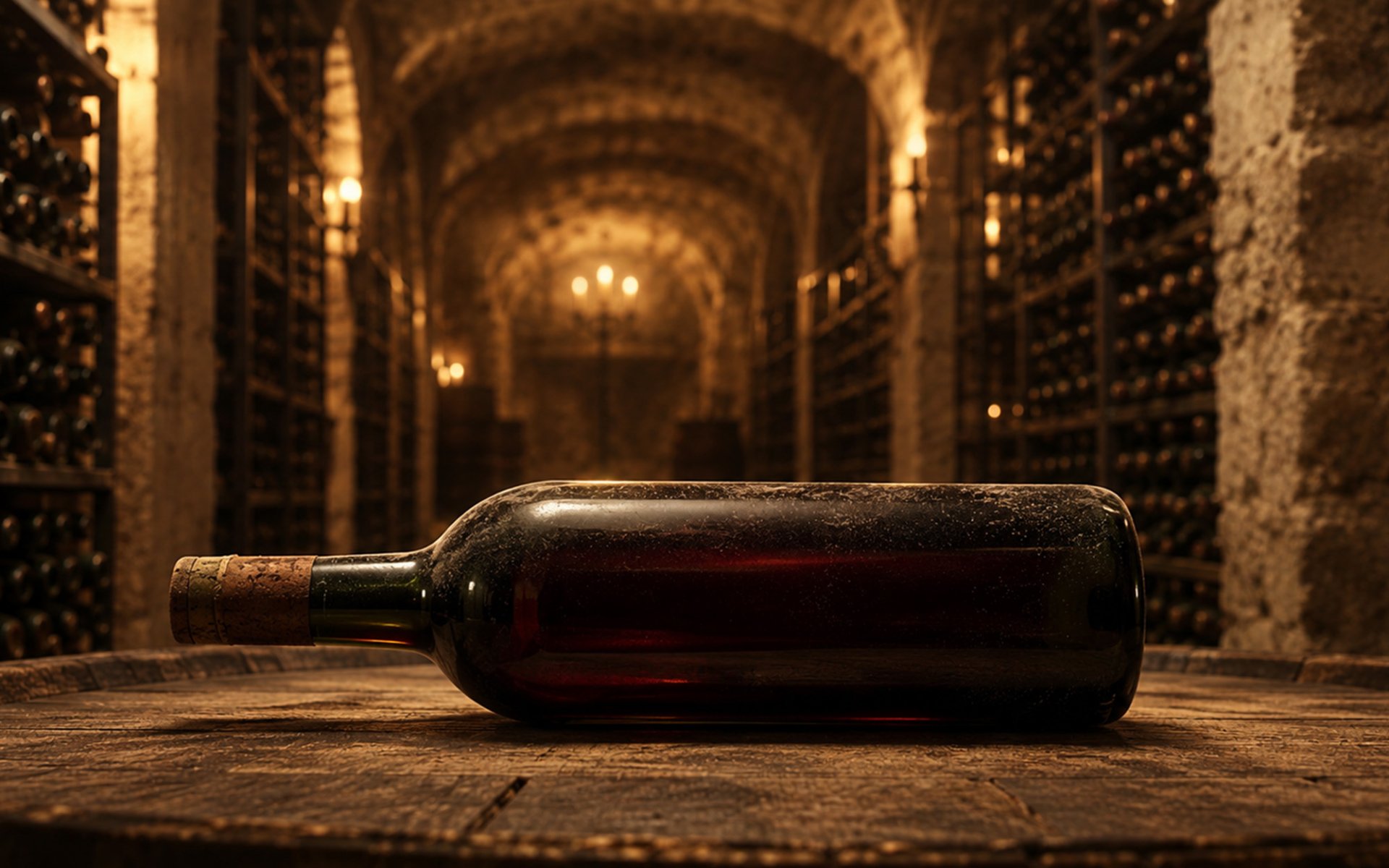
“ The older, the better” is one of the most deeply rooted beliefs in wine culture around the world. This notion is particularly associated with Spanish wine, which is well known for its classification system based on aging periods.
However, this belief is not unique to Spain. Wine cultures across Europe have long valued aging, particularly for wines made from high-quality grapes with the structure needed to develop over time.
In the past, winemaking relied heavily on experience and expertise. Producers had to learn how grapes from different regions influenced a wine’s aromas and flavors, as well as determine how long each wine should be aged to achieve its ideal character. After all, not all wines have the same aging potential.
An article by Decanter, an international wine publication, explores the appeal of aged wine, explaining how various compounds change as wine develops in the bottle, giving rise to greater aromatic and flavor complexity. However, an older wine is not necessarily a better one. Some wines may lose their freshness and distinctive appeal as they age.
The true fascination of aged wine, therefore, lies not simply in the number of years it has spent in the bottle, but in its ability to develop gracefully over time and in whether its quality has been preserved throughout the aging process.
Another defining characteristic of Rioja is its classification system based on aging requirements. The categories most familiar to consumers include Crianza, Reserva, and Gran Reserva, each with different minimum aging periods. These classifications help consumers better understand a wine’s production methods and general characteristics. Nevertheless, aging time is only one of several factors that influence a wine’s character; it is not the sole measure of quality.
These wines are generally approachable and suitable for everyday enjoyment, offering a balance between fresh fruit flavors and the subtle aromas imparted by oak, such as vanilla and delicate spices.
These wines are not simply wines that have been aged for longer. They are also typically made from carefully selected, high-quality grapes. Their structure may be more pronounced, with greater aromatic complexity, including notes of dried herbs, leather, and subtle smoky nuances. Depending on the wine and its storage conditions, some Reserva wines can continue to develop in the cellar for eight to ten years.
Producing wines of this category requires careful grape selection and an assessment of each wine’s potential to withstand extended aging. When aged appropriately, the wine develops greater aromatic and flavor complexity, with fruit, oak, and bottle-aged characteristics gradually coming together to create a distinctive profile. The final result, however, depends on grape quality, winemaking techniques, and storage conditions.
First, tannins and texture change. Tannins are compounds found in grape skins, seeds, and stems, and they can also be extracted from oak barrels. In red wine, tannins contribute to the sensation of astringency. As wine ages, these compounds can react and change the way they combine, altering the wine’s mouthfeel. In some wines, this process results in a softer, more integrated texture.
Second, aromas evolve. Young wines often display fresh fruit aromas, such as cherry, blackberry, plum, or citrus, depending on the wine. As they age, some of these aromas may become less pronounced, while more complex notes begin to emerge. These can include dried fruit, tea leaves, spices, leather, tobacco, and dried mushrooms. Such aromas are commonly known as tertiary aromas, which develop during the aging process.
Third, color changes. Young red wines often display purplish-red or deep red hues. Over time, their color may gradually shift toward brick red or reddish-orange. White wines, meanwhile, may deepen in color, developing golden or amber tones. However, changes in color alone do not directly indicate quality. They must be considered alongside the wine’s aromas, flavors, and overall condition.
Finally, the balance between different components may evolve. Wines with good aging potential can gradually move from prominent fruit flavors and a clearly defined structure toward a more subtle and complex profile. Acidity, tannins, alcohol, and other components may become more integrated as the wine develops in the right conditions.
In reality, age is just one factor to consider. A wine’s ability to develop over time depends on several elements, including grape variety, vintage, winemaking methods, and storage conditions.
For this reason, wine experts place greater emphasis on evaluating each bottle individually rather than judging it by age alone. Even wines from the same producer and the same vintage can differ in quality when opened if their storage histories have been different.
However, this belief is not unique to Spain. Wine cultures across Europe have long valued aging, particularly for wines made from high-quality grapes with the structure needed to develop over time.
In the past, winemaking relied heavily on experience and expertise. Producers had to learn how grapes from different regions influenced a wine’s aromas and flavors, as well as determine how long each wine should be aged to achieve its ideal character. After all, not all wines have the same aging potential.
An article by Decanter, an international wine publication, explores the appeal of aged wine, explaining how various compounds change as wine develops in the bottle, giving rise to greater aromatic and flavor complexity. However, an older wine is not necessarily a better one. Some wines may lose their freshness and distinctive appeal as they age.
The true fascination of aged wine, therefore, lies not simply in the number of years it has spent in the bottle, but in its ability to develop gracefully over time and in whether its quality has been preserved throughout the aging process.
Spain and the Tradition of Wine Aging
Spain is one of Europe’s historic wine-producing countries, with wine regions spread across the country. Among them, Rioja is one of Spain’s most renowned wine regions. It holds the Denominación de Origen Calificada (DOCa) designation, a classification that establishes strict production standards and requirements to protect the quality and distinctive identity of wines from the region.Another defining characteristic of Rioja is its classification system based on aging requirements. The categories most familiar to consumers include Crianza, Reserva, and Gran Reserva, each with different minimum aging periods. These classifications help consumers better understand a wine’s production methods and general characteristics. Nevertheless, aging time is only one of several factors that influence a wine’s character; it is not the sole measure of quality.
Crianza
Red wines classified as Crianza must be aged for at least two years, including a minimum of one year in oak barrels. White and rosé wines must be aged for at least six months in oak barrels.These wines are generally approachable and suitable for everyday enjoyment, offering a balance between fresh fruit flavors and the subtle aromas imparted by oak, such as vanilla and delicate spices.
Reserva
Red wines classified as Reserva must be aged for at least three years, including a minimum of one year in oak barrels, with the remaining aging period taking place in the bottle.These wines are not simply wines that have been aged for longer. They are also typically made from carefully selected, high-quality grapes. Their structure may be more pronounced, with greater aromatic complexity, including notes of dried herbs, leather, and subtle smoky nuances. Depending on the wine and its storage conditions, some Reserva wines can continue to develop in the cellar for eight to ten years.
Gran Reserva
Gran Reserva is the category with the longest minimum aging requirements. Red wines must be aged for at least five years, including a minimum of two years in oak barrels and three years in the bottle before release. In practice, many producers age their wines for considerably longer, meaning some may be eight years old or more by the time they reach the market.Producing wines of this category requires careful grape selection and an assessment of each wine’s potential to withstand extended aging. When aged appropriately, the wine develops greater aromatic and flavor complexity, with fruit, oak, and bottle-aged characteristics gradually coming together to create a distinctive profile. The final result, however, depends on grape quality, winemaking techniques, and storage conditions.
How Does Wine Change as It Ages?
The changes that occur during wine aging result from several chemical processes that affect its color, aromas, flavors, and texture. These transformations give aged wines characteristics that distinguish them from younger ones.First, tannins and texture change. Tannins are compounds found in grape skins, seeds, and stems, and they can also be extracted from oak barrels. In red wine, tannins contribute to the sensation of astringency. As wine ages, these compounds can react and change the way they combine, altering the wine’s mouthfeel. In some wines, this process results in a softer, more integrated texture.
Second, aromas evolve. Young wines often display fresh fruit aromas, such as cherry, blackberry, plum, or citrus, depending on the wine. As they age, some of these aromas may become less pronounced, while more complex notes begin to emerge. These can include dried fruit, tea leaves, spices, leather, tobacco, and dried mushrooms. Such aromas are commonly known as tertiary aromas, which develop during the aging process.
Third, color changes. Young red wines often display purplish-red or deep red hues. Over time, their color may gradually shift toward brick red or reddish-orange. White wines, meanwhile, may deepen in color, developing golden or amber tones. However, changes in color alone do not directly indicate quality. They must be considered alongside the wine’s aromas, flavors, and overall condition.
Finally, the balance between different components may evolve. Wines with good aging potential can gradually move from prominent fruit flavors and a clearly defined structure toward a more subtle and complex profile. Acidity, tannins, alcohol, and other components may become more integrated as the wine develops in the right conditions.
The Myth That Older Wine Is Always Better
A common misconception is that a wine’s vintage or age directly determines its quality. For example, some people assume that a ten-year-old wine must taste better than a three-year-old one, or that a wine stored for several decades must be more valuable than one that has only recently been released.In reality, age is just one factor to consider. A wine’s ability to develop over time depends on several elements, including grape variety, vintage, winemaking methods, and storage conditions.
Proper Storage: The Key to Wine Quality
Storage is particularly important and should never be overlooked. Even a wine with excellent aging potential may deteriorate prematurely if kept in excessively warm conditions, exposed to frequent temperature fluctuations, or subjected to too much light. Conversely, wine stored under suitable conditions has a better chance of developing favorably over time.For this reason, wine experts place greater emphasis on evaluating each bottle individually rather than judging it by age alone. Even wines from the same producer and the same vintage can differ in quality when opened if their storage histories have been different.
Tags :
Related Content


The Origin Story of India Pale Ale (IPA) and the Differences Between Its Styles

The History and Evolution of “Chardonnay” One of the World’s Most Popular White Wine Grapes