Trifle
Last updated: 19 Nov 2025
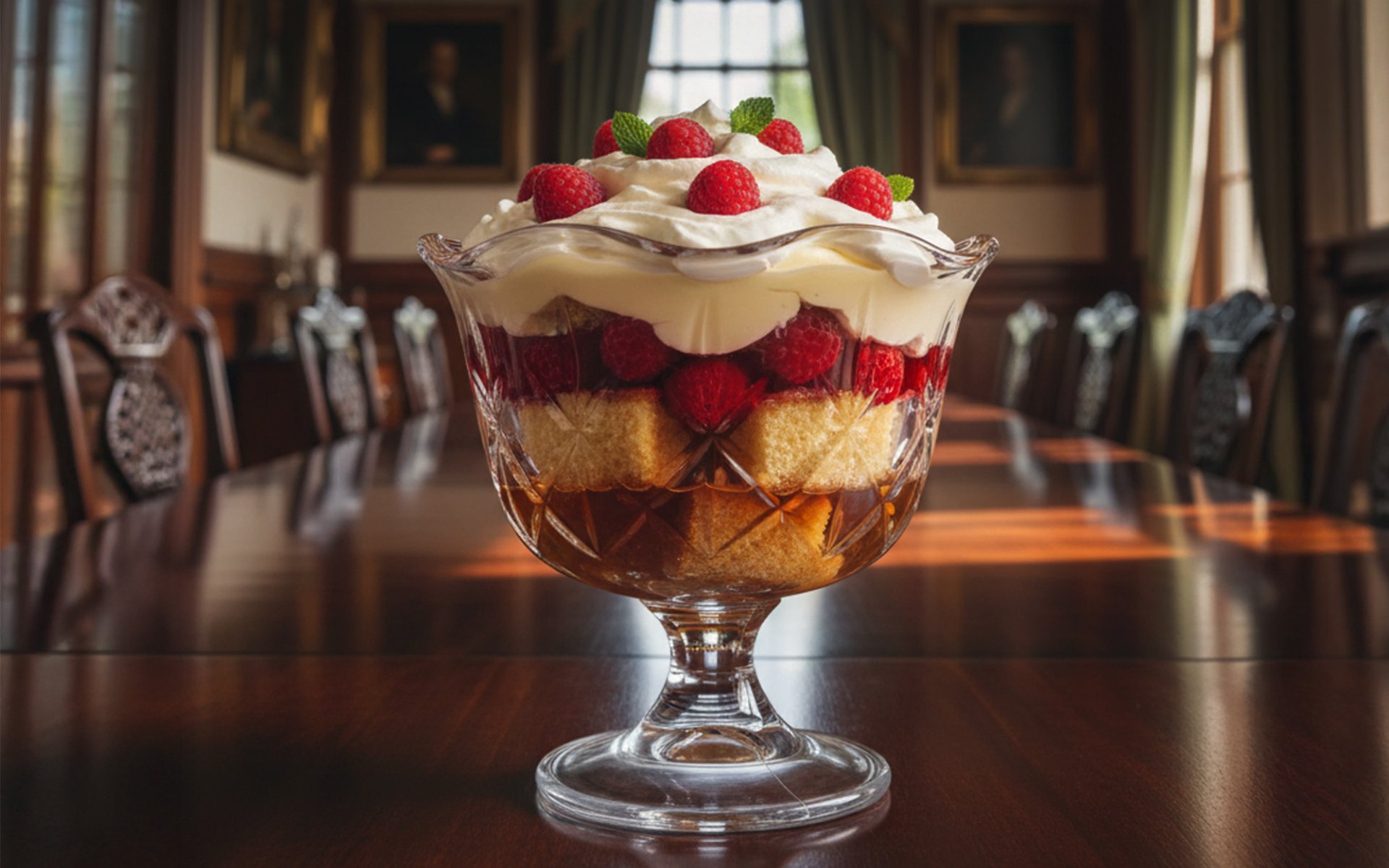
Signature Layered Structure and Flavor Profile
Trifle is a classic English dessert distinguished by its beautifully layered presentation in a clear glass dish, allowing each layer to be seen clearly. It typically consists of sponge cake soaked in liqueur or fruit juice, followed by layers of jelly or fruit, and topped with custard or whipped cream. The result is a delightful combination of textures and flavorssoft, moist, creamy, and refreshing.Over 400 Years of English Dessert History
Trifle originated in England and has a history dating back over 400 years. It was first mentioned in the 1585 cookbook The Good Huswifes Jewell by Thomas Dawson.Origin of the Name Trifle from Old French
The name Trifle comes from the Old French word Trufe or Trufle, meaning something of little importance or a trivial thing. This reflects the desserts original simplicity, although it has evolved over time into a more elaborate and luxurious dessert.Early Similarities to the English Dessert Fool
In its earliest form, Trifle closely resembled another traditional English dessert known as Fool, made from mashed fruit mixed with sweetened cream. Food historian Annie Gray notes that the two desserts were so similar that their names were often used interchangeably.Major Evolution in 1751: Recipes Resembling Modern Trifle
A significant evolution of Trifle occurred in 1751, when two cookbooks published that year contained recipes resembling the modern version. In The Art of Cookery Made Plain and Easy, Hannah Glasse specified the use of Naples biscuits, macaroons, and ratafia soaked in sherry wine, layered with cooked custard, and topped with syllabub frotha sweet, whipped cream.Parallel Recipe from The Whole Duty of a Woman (1751)
Another book published the same year, The Whole Duty of a Woman (author unknown), featured a similar recipe using wine-soaked biscuits arranged in layers with custard and finished with whipped cream.Innovation in 1760: The Addition of Jelly
Another landmark development in Trifles history was the addition of jelly, documented in Glasses 1760 book The Compleat Confectioner. The recipe called for high-quality calfs-foot jelly poured halfway into a dish, in which biscuits and macaroons were placed before the jelly fully set. This addition not only enhanced the texture but also helped hold the cake pieces firmly in place.Victorian Era: Trifle as a Symbol of Luxury and Celebration
During the Victorian era in the 19th century, Trifle became a staple dessert at celebrations and gatherings among Englands upper class. Victorian-era Trifles were known for their elaborate decoration, often adorned with exotic imported fruitsa symbol of wealth and culinary sophistication.Late 19th Century: The Golden Age of Trifle
Food historian Annie Gray notes that the late 19th century was the golden age of Trifle, with so many variations published that the sheer number became confusing. For example, The Encyclopaedia of Practical Cookery (1891) by Theodore Francis Garrett included 13 Trifle recipes, including two savory versions using veal and lobster.Playful Nicknames for Alcohol-Soaked Trifles
Throughout history, Trifle has also been known by whimsical and humorous nicknames, especially those referring to its alcohol-soaked cake layers, such as Tipsy Parson, Tipsy Hedgehog, Tipsy Squire, and Tipsy Cake. These names reflect the intoxication that might occur from eating sponge cake heavily soaked in sherry or brandy.The Story Behind the Name Tipsy Parson
A popular anecdote suggests that the name Tipsy Parson came from Sunday-visiting clergymen who were unintentionally encouraged to break their temperance habits after being served Trifle, as the alcohol was hidden by the desserts sweetness and soft cream.Trifles Journey to America with English Immigrants
Trifle eventually spread to America along with English immigrants. In the southern United States, it became particularly popular among plantation owners who favored elegant desserts, and it was often referred to as Tipsy Cake or Tipsy Parson, just as in England.20th Century: The First Commercial Ready-Made Trifle
In the 20th century, Northern Foodan early producer of ready-made foods for Marks & Spencer (M&S)became the first company in the UK to create commercially produced ready-to-eat Trifle. The production process proved challenging due to the need for precise layering and preservation of freshness during transport.Commercial Success and Market Growth
Lord Haskins, then chairman of the company, admitted that Northern Food lost money producing Trifles for several years. However, the dedication paid off, earning immense praise from M&S. Today, M&S reportedly sells as many as 175,000 Trifles per week.21st Century Popularity and Royal Celebrations
In the 21st century, Trifle remains immensely popular, especially during Christmas, where it is considered the second most beloved holiday dessert after Christmas Pudding.Royal-Inspired Trifles: Platinum Jubilee & Coronation Trifle
In 2022, Trifle was chosen as the Platinum Pudding to celebrate Queen Elizabeth IIs Platinum Jubileemarking her 70-year reign. The winning recipe, created by Jemma Melvin, used Lemon Swiss Roll and Amaretti cookies as key ingredients.In 2023, a special Coronation Trifle, created by Chef Adam Handling, was introduced to commemorate the coronation of King Charles III. This further reflects Trifles enduring presence in national celebrations and royal events.
International Influence of Trifle in Other Countries
Beyond England and the United States, Trifle has influenced desserts in other countries. In Italy, a similar dessert exists called Zuppa Inglese, which translates to English Soup. In Scotland, a related dessert known as Tipsy Laird is made using local spirits such as Drambuie or whisky.Modern Trifle Ingredients and Essential Components
Modern Trifle typically consists of essential components including cake or biscuits (commonly sponge cake or ladyfingers), wine or liquor (such as sherry, brandy, or port), fresh or preserved fruit, custard, jelly, and fresh whipped cream.How to Assemble a Classic Trifle in Layers
To prepare Trifle, the cake or biscuits are cut into small pieces and layered in a glass dish, soaked thoroughly with wine or liquor, followed by layers of fresh or preserved fruit, custard, and jelly. The dessert is finished with whipped cream and decorated with fruit or almond slivers. Tags :
Related Content