Pierogi
Last updated: 7 Jan 2026
What Are Pierogi and How They Are Prepared
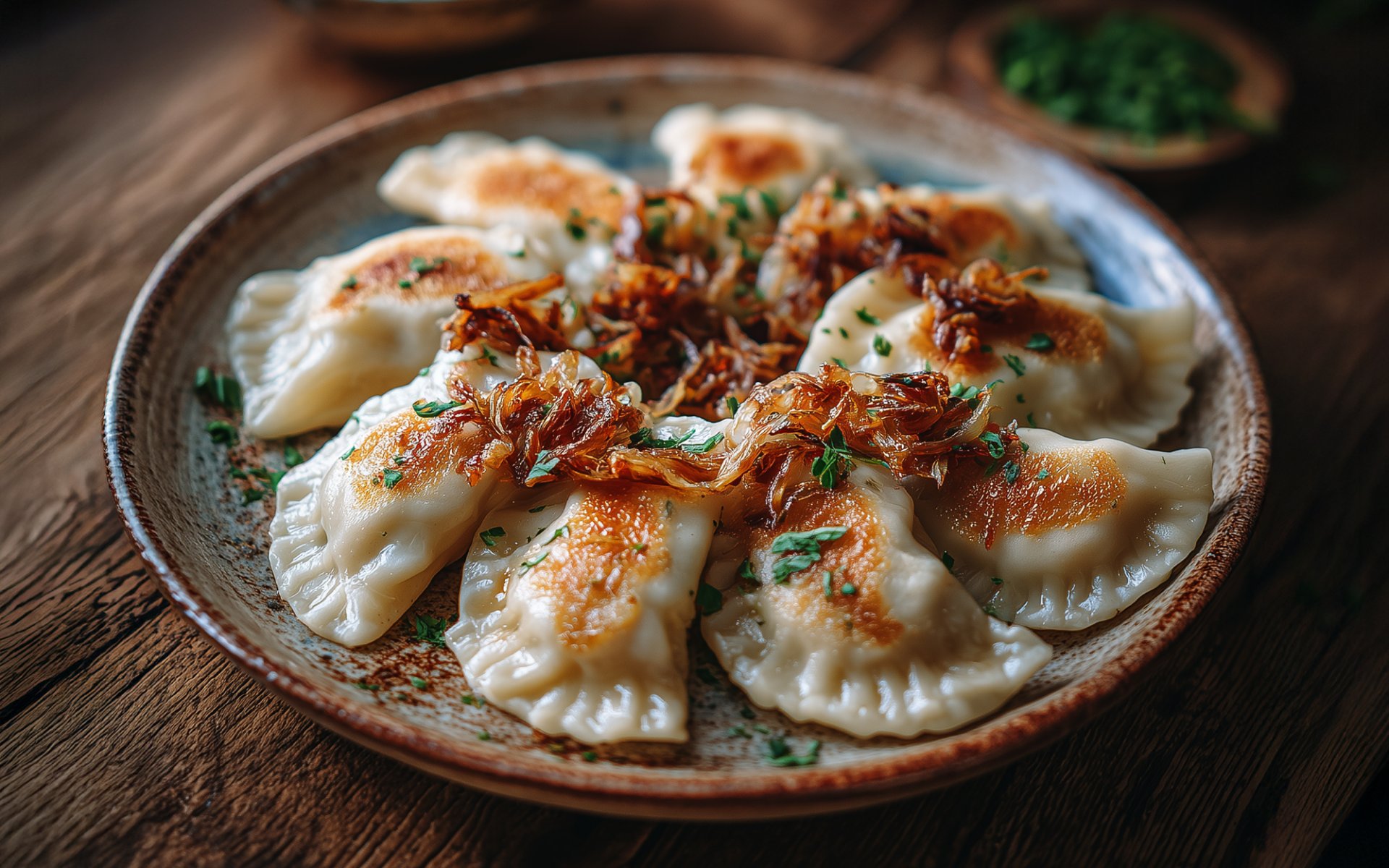
Pierogi are a type of dumpling commonly found across Central Europe and are considered one of Poland’s national dishes. They are made from unleavened dough, meaning dough prepared without yeast, and can be filled with both savory and sweet ingredients. Common fillings include potatoes, dairy products, meat, and fruit. When served, the filled dumplings are first boiled until cooked through, then pan-fried to create a beautifully golden exterior.Eastern Influences and the Spread of Dumplings to Europe
Although Pierogi have long been regarded as a national dish of Poland since the Middle Ages, and the name “Pierogi” itself originates from the Polish language, this type of food did not originally develop elsewhere in Europe. As a result, it is widely believed that Pierogi were influenced by Eastern culinary traditions. Dumplings are thought to have originated in China, where they later spread to Europe during the Middle Ages (between the 5th and 15th centuries). This cultural exchange is often attributed to Marco Polo’s exploration of the Silk Road, which opened pathways for a wide variety of Asian food cultures to reach Europe.The Legend of Saint Hyacinth and the Origin of Pierogi
Another widely known legend surrounding the origin of Pierogi involves Saint Hyacinth, an important figure in Polish history during the 13th century. According to this tale, Saint Hyacinth learned how to make Pierogi while living in Ukraine and later brought the dish back to Poland. He prepared Pierogi to distribute to the poor, and this story has remained deeply rooted in Polish culture to this day. At one point in history, there was even an oath or exclamation, “St. Hyacinth with his pierogi!”, which was used in moments of despair when people felt hopeless and in need of help.Saint Hyacinth’s Day and the Pierogi Festival in Kraków
As a result, Pierogi has become the most important dish for the annual celebration of Saint Hyacinth’s Day on August 17. In modern-day Poland, the Pierogi Festival has been held every year in the capital city of Kraków in mid-August since 2002. Within this grand festival, visitors can discover a wide variety of Pierogi in many different forms. The event offers more than just the opportunity to taste the dish; it also allows people to learn about Poland’s culinary heritage and the art of making Pierogi through various activities, such as Pierogi-making workshops and creative Pierogi competitions.Pierogi in Poland’s Earliest Cookbooks
As Pierogi grew increasingly popular, their recipe was eventually recorded for the first time in Poland’s earliest known cookbook, published in 1682. Pierogi came to be recognized as a traditional Polish comfort food enjoyed by people across all social classes, from common folk to the nation’s rulers. The dish is valued for its simple preparation and its versatility, allowing for a wide variety of fillings and accompaniments.Popular Types of Pierogi in Polish Cuisine
The most common and widely known variety of Pierogi in Poland is called Pierogi Ruskie. This version is filled with quark (a low-fat dairy product similar to cream cheese), mashed potatoes, and fried onions. There is also a special type prepared for wedding celebrations known as Pierogi Kurniki, which is filled with chicken and baked rather than boiled. For sweet versions of Pierogi, sour cream or cream cheese mixed with sugar is often used, along with various types of fruit as fillings.Pierogi and Christmas Traditions in Poland
Pierogi have become an essential dish for celebrations throughout Polish culture, especially during the Christmas season. Polish Christmas Eve is traditionally observed with a special meatless meal, and Pierogi are considered one of the central dishes on the table. In addition to the common versions filled with mushrooms and sauerkraut, there is also a special type known as Uszka. These dumplings are much smaller in size and folded into shapes resembling the ears of elves or dwarves. They are filled with mushrooms and served in borscht, a red soup made from stock and beets.The Spread of Pierogi Across Europe and North America
Pierogi are also popular in many other Central and Eastern European countries, where similar dishes have developed. One example is Varenyky from Ukraine, which are typically steamed rather than boiled. Pierogi have also spread to other continents, particularly North America, through Polish immigration. In the United States, Pierogi initially began as a dish enjoyed within immigrant communities of various ethnic backgrounds. After World War II, they were commonly used in church-led fundraising events among these communities and eventually became a familiar dish in American households more broadly.Ingredients for Pierogi Today
Ingredients for creating delicious meals can be found at all Rimping branches. Tags :
Related Content