Red Velvet Fudge
Last updated: 28 Jan 2026
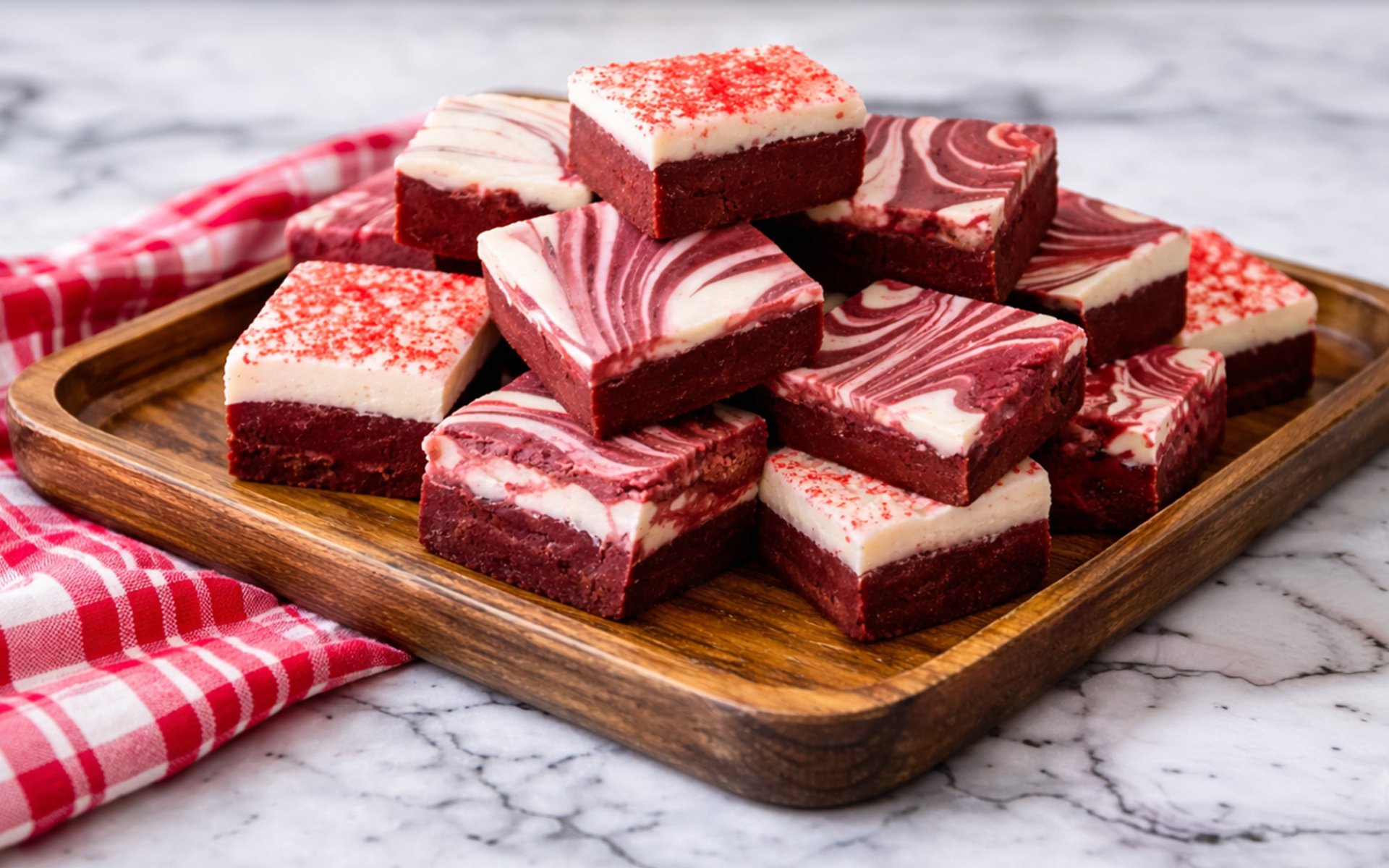
Red Velvet Fudge is a contemporary dessert that has grown increasingly popular in recent years. It combines the distinctive flavor profile of Red Velvet Cake with the rich, smooth, and indulgently dense texture of fudge, a classic American confection.
The Historical Roots of Red Velvet Cake and Fudge
Red Velvet Cake traces its roots back to a dessert known as “Velvet Cake,” which gained popularity during the Victorian era in the 19th century. These cakes were celebrated for their exceptionally soft, fine crumb—often described as being as smooth as velvet. Around the same period, fudge also emerged in the United States toward the late 19th century, becoming a beloved sweet treat in its own right.The Valentine’s Day Origin Story of Fudge
One of the most widely cited stories surrounding the origin of fudge dates back to Valentine’s Day in 1886, when a confectioner and chocolatier in Baltimore, Maryland accidentally made a mistake while preparing French-style caramel. The result was an unexpectedly soft and creamy candy with a texture unlike traditional caramel. This happy accident was refined over time and eventually became known as fudge.The Rise of Hybrid Desserts in the Late 20th Century
The idea of combining Red Velvet Cake with fudge began to take shape in the late 20th century, a period marked by significant innovation in Western dessert culture. Pastry chefs and confectioners increasingly experimented with reinterpreting traditional flavors and visual identities through new techniques and formats. This movement gave rise to what is often referred to as “hybrid desserts”—creations that feel novel while remaining comfortingly familiar.The Two-Layer Structure of Red Velvet Fudge
A classic Red Velvet Fudge recipe typically consists of two key layers:- First Layer – Red Chocolate Fudge Made from milk chocolate blended with red food coloring to achieve a vibrant, evenly distributed red hue while maintaining a smooth, dense fudge texture.
- Second Layer – Cream Cheese Frosting Fudge To preserve the signature character of Red Velvet Cake, this layer combines cream cheese with white chocolate, creating a soft, slightly chewy texture that closely resembles fudge while delivering the tangy richness associated with traditional cream cheese frosting.
Popularity During Festive Occasions
Following its development, Red Velvet Fudge quickly gained widespread popularity, particularly during festive occasions such as Valentine’s Day and Christmas, when its striking color and indulgent flavor make it especially appealing.Contemporary Variations and Decorative Styles
Today, many dessert shops and confectioners have developed their own interpretations of Red Velvet Fudge, experimenting with flavors, textures, and decorative elements. Popular variations include marbled patterns, seasonal sprinkles, or themed color toppings—such as red, white, and blue for U.S. Independence Day, or rainbow decorations for celebratory events—adding visual interest and creative diversity to this modern confection.Red Velvet Fudge as a Symbol of Modern Dessert Innovation
Red Velvet Fudge stands as a delicious example of how classic desserts can be reimagined, successfully bridging tradition and innovation in contemporary sweet culture. Tags :
Related Content


Getting to Know Pigs in Blankets One of the Most Popular Christmas Dishes in the United Kingdom