Matcha No Hi (抹茶の日, Matcha Day)
Last updated: 28 Jan 2026
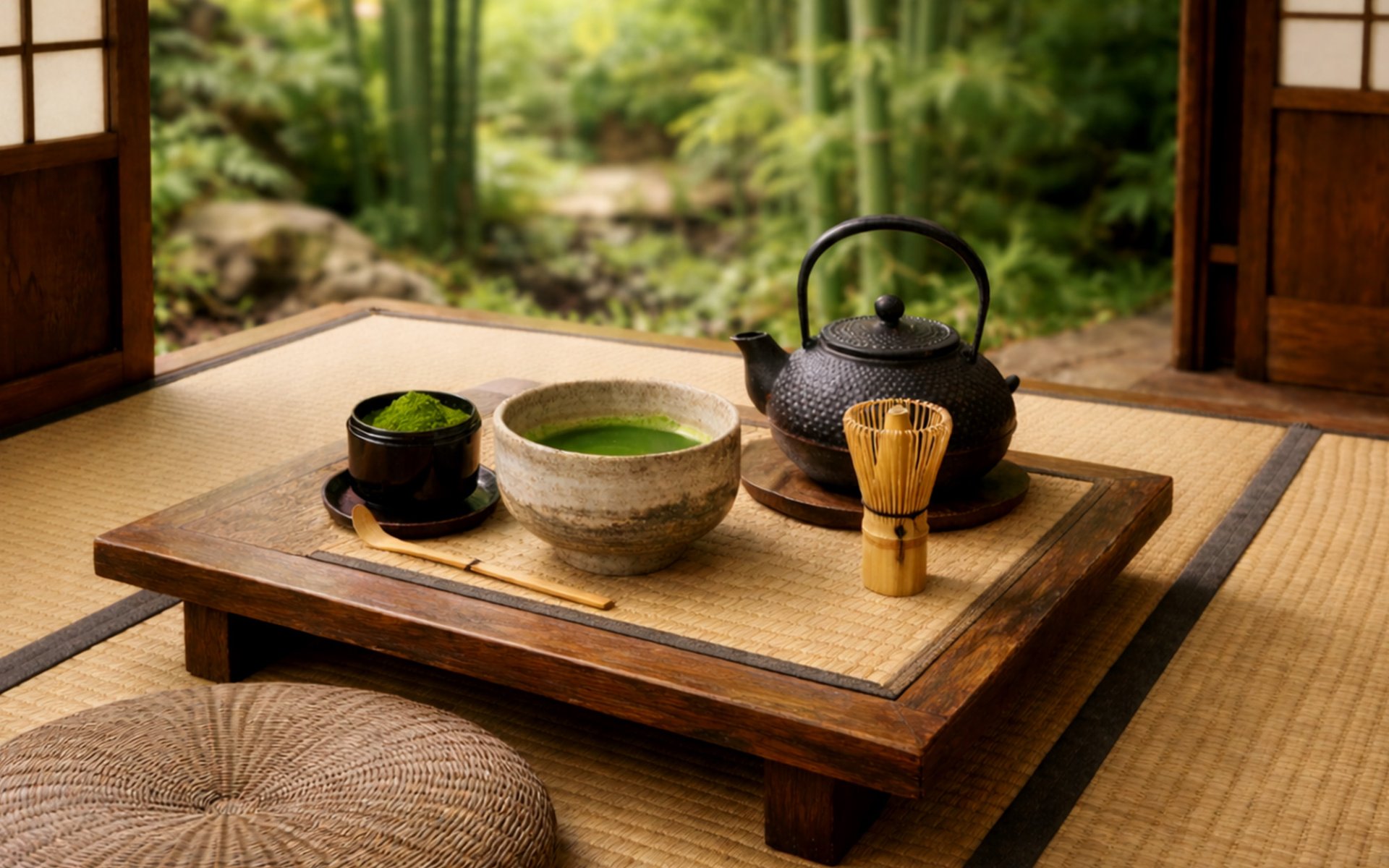
Every year on February 6, Japan celebrates Matcha No Hi, or Matcha Day, a special occasion that reflects the profound importance of matcha as a traditional beverage deeply rooted in Japanese culture and daily life for centuries.
The Establishment of Matcha No Hi in Nishio City
Matcha No Hi was officially established in 1992 by the Nishio City Tea Industry Promotion Council in Aichi Prefecture to commemorate the 120th anniversary of tea production in Nishio City. Nishio is one of Japan’s most important matcha-producing regions and is particularly renowned for producing a higher proportion of matcha than other types of tea. As a result, Nishio matcha has long been widely used in traditional tea ceremonies, the confectionery industry, and contemporary café beverages throughout Japan.The Meaning of February 6 in Tea Ceremony Tradition
The designation of February 6 as Matcha Day is closely connected to the Japanese tea ceremony and an essential utensil known as the “Furo” (風炉), a portable brazier used to heat water. This association is based on goroawase, a form of Japanese wordplay: “Fu” (ふ) sounds like the number 2, representing February, while “Ro” (ろ) sounds like 6, together forming the date 2/6.The Origins of Matcha in Japan
Matcha originated in China during the Tang Dynasty (618–907 CE) and was introduced to Japan in the 12th century by the Buddhist monk Eisai, who brought back tea seeds and knowledge of powdered tea production after studying Zen Buddhism in China.
Eisai recognized that drinking tea helped monks remain alert and focused during meditation. He subsequently authored Kissa Yōjōki (喫茶養生記), or “Drinking Tea for Health,” the oldest known Japanese text discussing the health benefits of tea. This work systematically described tea as a beverage that supports both physical well-being and mental balance.
Tea Culture and Social Status in the Kamakura Period
During the 13th century, under the Kamakura Bakufu government, tea drinking evolved into a symbol of social status among the aristocracy. Tea-tasting competitions known as Tōcha (闘茶) became popular, in which participants attempted to identify the origin of different teas—particularly those from Kyoto, regarded as the highest-quality teas of the era and cultivated from seeds introduced by Eisai.Advances in Matcha Grinding Technology
In the 14th century, the invention of stone mills specifically designed for grinding tea significantly improved the fineness and quality of matcha, surpassing earlier tools such as the Yagen (薬研), a traditional Japanese mortar for medicinal herbs. At the same time, imported Chinese ceramic tea-grinding tools became prized luxury items among the elite, serving as markers of wealth and social standing.Sen no Rikyū and the Philosophy of the Tea Ceremony
In the 16th century, Sen no Rikyū, the most influential figure in the history of the Japanese tea ceremony, established the four fundamental principles that continue to define the practice today:- Wa (和) – Harmony between people, nature, and all things
- Kei (敬) – Respect, humility, and mutual consideration
- Sei (清) – Purity and cleanliness, both physical and spiritual
- Jaku (寂) – Tranquility, inner peace, and freedom from worldly disturbance
Tea Ceremony Principles as a Way of Life
These principles extend beyond tea ceremony aesthetics and represent a deeply rooted philosophy of life within Japanese culture.Wabi and the Transformation of the Tea Ceremony
Sen no Rikyū transformed the tea ceremony from a display of wealth and status into a spiritual practice that values simplicity. He promoted the use of locally made utensils, modest ceramic wares, and small, serene tea rooms, reflecting the concept of Wabi (侘び)—the appreciation of imperfection, humility, and mindful presence.The Three Major Tea Schools of Japan
After Rikyū’s death, the tea ceremony tradition was continued by his grandson Sōtan and Sōtan’s three sons, who founded the three major tea schools that remain active today: Urasenke, Omotesenke, and Mushakōjisenke. While each school differs in technique, utensils, and formality, all uphold the foundational principles established by Sen no Rikyū.The Uniqueness of Japanese Matcha
The distinctive character of Japanese matcha originates from shade-growing techniques developed in the 15th century. Initially intended to protect tea leaves from frost, this method unexpectedly led to the creation of matcha with vibrant green color and unique flavor.How Shade-Growing Shapes Matcha Flavor and Color
By limiting sunlight exposure, photosynthesis in the tea leaves is reduced, preserving theanine, the amino acid responsible for umami flavor, and preventing its conversion into bitter tannins. Shade-growing also increases chlorophyll content, producing matcha’s vivid green hue, while enhancing amino acid and caffeine levels—key factors shaping the flavor and characteristics of Japanese matcha.Celebrating Matcha No Hi Across Japan
On February 6, various events are held throughout Japan to celebrate Matcha Day, particularly in major production areas such as Nishio (Aichi Prefecture) and Uji (Kyoto). Typical activities include:- Special tea ceremonies open to the public
- Matcha preparation demonstrations by tea masters
- Tea festivals featuring premium matcha and matcha-based products
- Educational programs including lectures and exhibitions on matcha history and tea culture
- Matcha tastings, allowing participants to experience different grades and flavor profiles
Matcha in the Global Context
Today, matcha has gained immense popularity worldwide, leading to a significant rise in the price of ceremonial-grade matcha. Producers are working to expand production capacity to meet increasing global demand. Japan now exports more matcha than ever before, highlighting matcha’s role as a key ingredient in the global food and beverage industry. Tags :
Related Content

Meet Louis Pasteur The French Scientist Known as the Father of Pasteurization

5 Super-Greens : A Deep Dive into the Benefits of Kale, Spinach, Celery, Broccoli, and Asparagus