Hidden Details of Chinese New Year
Last updated: 9 Feb 2026
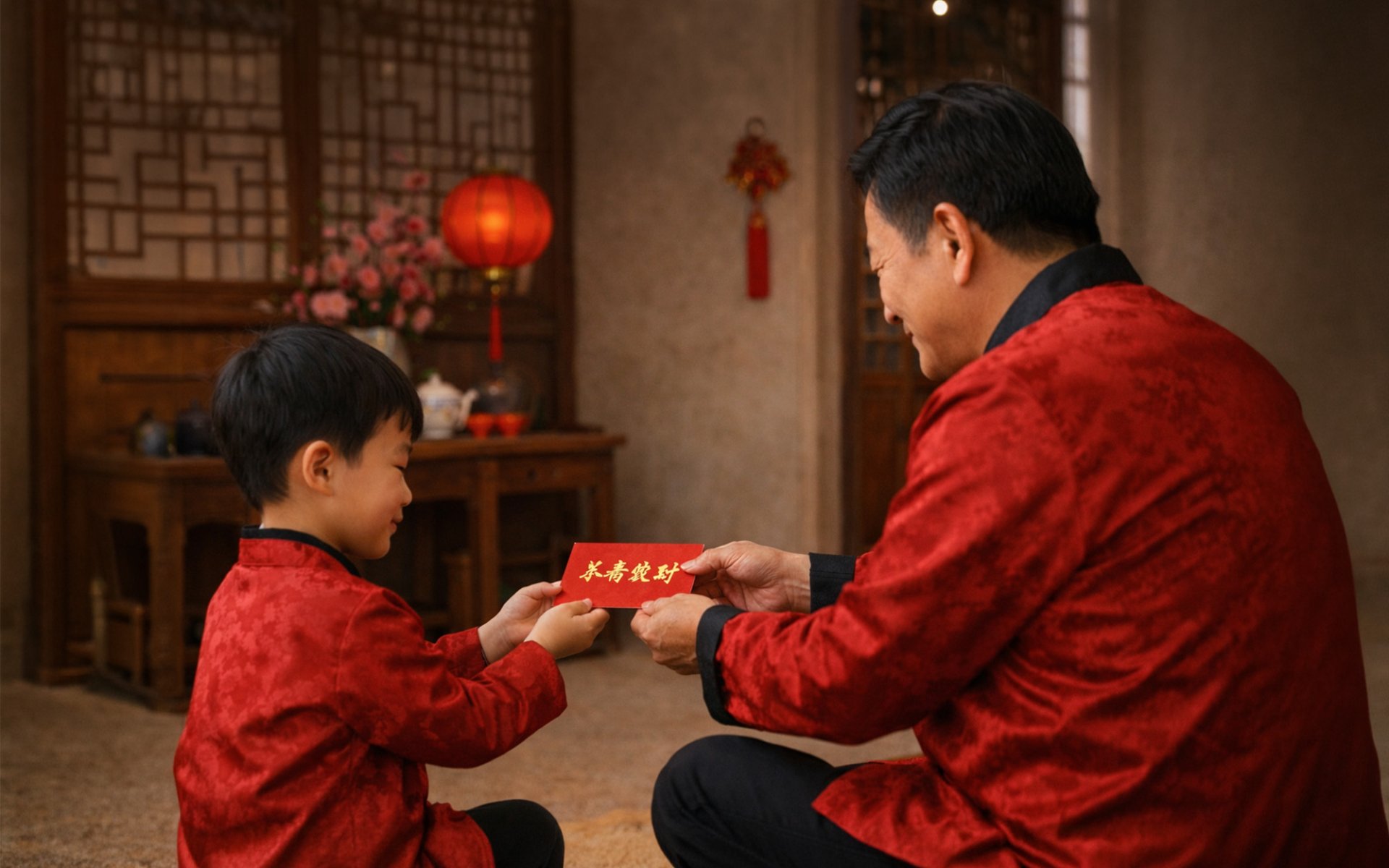
Chinese New Year is one of the most important festivals for Chinese communities around the world. It is often associated with iconic images such as the color red, red envelopes, ancestor worship, auspicious foods, and a lively atmosphere of celebration.
New Banknotes : Money placed inside red envelopes should be crisp, new banknotes, symbolizing a fresh beginning and respect for the recipient. Many people exchange new notes at banks specifically for this purpose.
Giving and Receiving : Both giving and receiving red envelopes should be done with both hands as a sign of respect. It is considered impolite to open the envelope in front of the giver, as it places too much emphasis on the money rather than the blessing.
Hidden Meanings Behind Familiar Traditions
However, behind these familiar traditions lie profound cultural meanings, beliefs, and life philosophies that have been passed down through generations. In this article, Rimping invites you to explore the deeper significance hidden within the small details of Chinese New Year traditions.Chinese New Year as a Symbolic Reset of Life
In Chinese culture, Chinese New Year is not merely a change of calendar year—it represents a reset of life in many dimensions, including the mind, family, and destiny. Therefore, preparations before the festival are considered just as important as the celebration itself. This period is seen as a time to resolve the past and make space for a fresh beginning.Why Is the House Thoroughly Cleaned Before Chinese New Year?
One of the most important pre-New Year activities is the annual deep cleaning of the house, known as 大扫除 (Dà sǎo chú). While it may appear to be simple preparation for welcoming guests, this practice carries deep symbolic meaning.Sweeping Away Bad Luck and Negative Energy
According to traditional beliefs, dust, dirt, and broken objects represent accumulated bad luck, misfortune, and negative energy from the past year. Cleaning the house before the New Year is therefore seen as a way of sweeping away bad luck and preparing the home to welcome prosperity and good fortune.The Role of Feng Shui in New Year Preparations
This practice is also closely linked to the principles of feng shui, which emphasize the flow of energy within a living space. A clean, open, and organized home is believed to promote positive energy flow, influencing health, relationships, and success.Why Is Sweeping Avoided on the First Day of Chinese New Year?
The first day of Chinese New Year is believed to be the moment when wealth, luck, and blessings enter the home. Sweeping the house on this day is therefore considered inauspicious, as it symbolizes sweeping away good fortune.Preserving Good Fortune on New Year’s Day
For this reason, many families complete all cleaning before New Year’s Day and avoid activities associated with discarding or removing things—such as sweeping, washing clothes, or taking out trash—on the first day of the year. This is done to preserve good luck and positive energy within the household.Why Is Red Clothing Worn During Chinese New Year?
Red is the most prominent and symbolic color of Chinese New Year, appearing in clothing, lanterns, paper cuttings, and red envelopes. This color is not chosen merely for its visual appeal but is deeply rooted in ancient legends and beliefs.The Legend of Nian and the Power of Red
According to Chinese folklore, a mythical beast named Nian (年) would appear at the end of each year to harm crops and people. Villagers discovered that Nian was afraid of the color red, loud noises, and fire. As a result, red decorations, firecrackers, and lanterns were used to drive the beast away—a tradition that continues today.Red in Chinese Philosophy and the Five Elements
In the Chinese Five Elements theory, red represents the element of fire, symbolizing vitality, brightness, and power. Wearing red during Chinese New Year is believed to enhance positive energy, promote confidence, and encourage a strong and auspicious start to the year.Red Envelopes: More Than Just Money, They Carry Blessings
Red envelopes, or 红包 (Hóngbāo), are among the most widely recognized symbols of Chinese New Year. While they are often perceived as simply a monetary gift for children or younger family members, their true value lies beyond the money itself.The Meaning Behind Red Envelopes
Red envelopes represent blessings, goodwill, and the transfer of positive energy from the giver to the recipient. The red color symbolizes luck, protection, and prosperity, while the money serves as a medium through which these wishes are conveyed. It is an expression of care, hope, and encouragement at the start of the new year.Etiquette and Rules for Giving Red Envelopes
Amount of Money : Even numbers are preferred, as they symbolize good fortune. The number four should be avoided because its pronunciation resembles the word “death” (死 – sǐ). Auspicious numbers include six (smooth progress) and eight (wealth). Common lucky amounts include 88, 168, 188, and 888.New Banknotes : Money placed inside red envelopes should be crisp, new banknotes, symbolizing a fresh beginning and respect for the recipient. Many people exchange new notes at banks specifically for this purpose.
Giving and Receiving : Both giving and receiving red envelopes should be done with both hands as a sign of respect. It is considered impolite to open the envelope in front of the giver, as it places too much emphasis on the money rather than the blessing.
Tags :
Related Content


The Enigmatic Appeal of Bitter : Why the World Embraces This Unlikely Flavor