National Drink Wine Day
Last updated: 11 Feb 2026
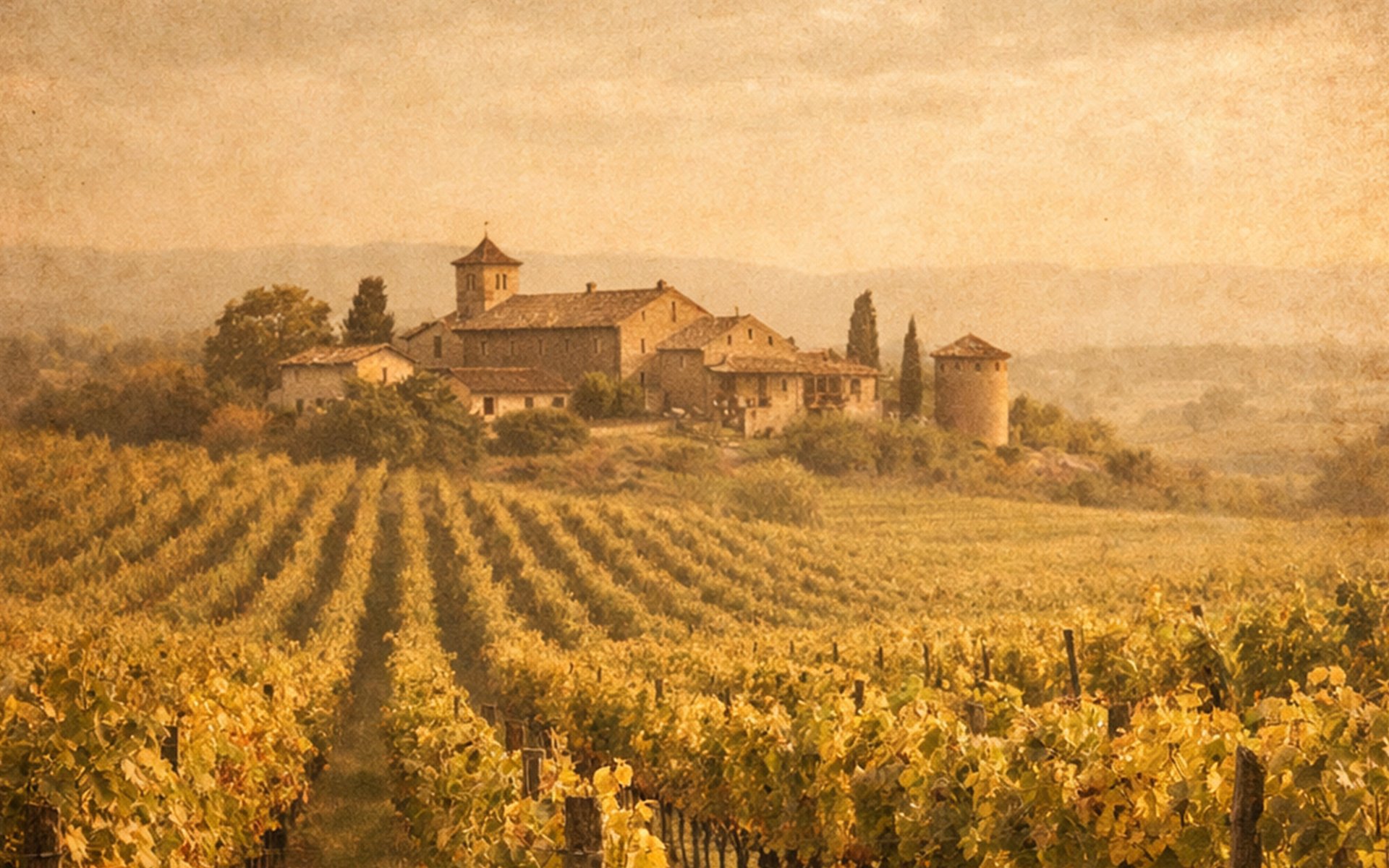
National Drink Wine Day is observed every year on February 18. This day is dedicated to celebrating and honoring wine culture—one of the world’s oldest and most enduring beverages, enjoyed by humankind for thousands of years. The purpose of this day is not only to encourage appreciation of wine, but also to promote responsible consumption, alongside learning and enjoying the rich cultural heritage surrounding wine.
In many countries, particularly in the Western world, this day serves as an opportunity for people to explore, appreciate, and celebrate wine from multiple perspectives—its history, the craftsmanship behind its production, the diversity of wine styles, and the values of refined and responsible wine drinking.
Archaeological evidence suggests that humans have been fermenting grapes to produce wine for at least 6,000–8,000 years, with early traces of winemaking discovered in the Caucasus region, covering parts of present-day Georgia, Armenia, and Iran.
The Greeks and Romans laid the foundation for wine culture as an integral part of daily life. They advanced viticulture and winemaking techniques and introduced the use of amphorae, tall clay vessels designed for transporting wine by sea throughout the Mediterranean region.
As the Roman Empire expanded into territories that are now France, Spain, Germany, and Italy, wine culture spread and took root. These regions gradually evolved into some of the world’s most important wine-producing areas—a status they continue to hold today.
Wine became a central element of the Christian sacrament of the Eucharist, symbolizing the blood of Christ, which ensured the continuation and development of winemaking throughout the medieval period.
During the Renaissance, wine experienced renewed popularity alongside advances in art, science, and trade. Europeans began systematizing winemaking processes, introducing oak barrel aging and experimenting with different grape varieties. These innovations led to greater diversity in wine styles, aromas, flavors, and structures, shaped by climate, soil, and production techniques—forming the foundation of today’s global wine industry.
Wine Tasting
Wine tasting is one of the most popular ways to celebrate National Drink Wine Day. Many people enjoy tasting wine at home, in restaurants, or at vineyards, sampling a variety of styles while learning about aroma, flavor, structure, and regional characteristics—enhancing both knowledge and enjoyment.
Food and Wine Pairing
Pairing wine with food is an art that elevates the dining experience. While classic guidelines—such as red wine with red meat and white wine with seafood—remain helpful, experimenting with personal preferences can be equally rewarding and broaden one’s appreciation of wine.
Visiting Vineyards and Wineries
Visiting vineyards and wineries offers an immersive way to celebrate the day. Guests can learn firsthand about grape cultivation, harvesting, fermentation, and aging, while tasting wines directly from the source—deepening both understanding and appreciation.
Learning About Wine
Reading books, watching documentaries, or joining wine courses are excellent ways to mark National Drink Wine Day. Understanding wine’s history, culture, and production process adds depth and meaning to every glass.
From a mental health perspective, moderate wine consumption may help promote relaxation, reduce stress, and encourage social interaction—contributing positively to overall quality of life.
However, moderation and responsibility are essential. General guidelines recommend no more than one glass per day for women and two glasses per day for men. Excessive alcohol consumption can lead to health issues such as liver disease, high blood pressure, and other chronic conditions. The World Health Organization advises individuals with existing health conditions to consult a medical professional before consuming alcohol to ensure long-term well-being.
In many countries, particularly in the Western world, this day serves as an opportunity for people to explore, appreciate, and celebrate wine from multiple perspectives—its history, the craftsmanship behind its production, the diversity of wine styles, and the values of refined and responsible wine drinking.
The Origins of National Drink Wine Day
There is no definitive record identifying who first established National Drink Wine Day, nor is it recognized as an official international holiday. Instead, it is a widely acknowledged celebratory occasion embraced by wine lovers across various countries, created to honor wine as a beverage deeply intertwined with human civilization, culture, and lifestyle.Archaeological evidence suggests that humans have been fermenting grapes to produce wine for at least 6,000–8,000 years, with early traces of winemaking discovered in the Caucasus region, covering parts of present-day Georgia, Armenia, and Iran.
Wine in Ancient Civilizations
In ancient Egypt, wine was considered a drink reserved for pharaohs and the ruling class. Important details such as the producer’s name, vintage year, and wine quality were recorded on clay jars—often regarded as the world’s earliest form of wine labels. Wine also played a significant role in religious rituals, particularly as offerings to Osiris, the god of fertility and the afterlife.The Greeks and Romans laid the foundation for wine culture as an integral part of daily life. They advanced viticulture and winemaking techniques and introduced the use of amphorae, tall clay vessels designed for transporting wine by sea throughout the Mediterranean region.
As the Roman Empire expanded into territories that are now France, Spain, Germany, and Italy, wine culture spread and took root. These regions gradually evolved into some of the world’s most important wine-producing areas—a status they continue to hold today.
Wine Through the Middle Ages and Renaissance
After the fall of the Roman Empire, Europe entered the Middle Ages, often referred to as the “Dark Ages.” While many fields of knowledge declined, winemaking endured thanks to monasteries and clergy who preserved and refined viticultural practices.Wine became a central element of the Christian sacrament of the Eucharist, symbolizing the blood of Christ, which ensured the continuation and development of winemaking throughout the medieval period.
During the Renaissance, wine experienced renewed popularity alongside advances in art, science, and trade. Europeans began systematizing winemaking processes, introducing oak barrel aging and experimenting with different grape varieties. These innovations led to greater diversity in wine styles, aromas, flavors, and structures, shaped by climate, soil, and production techniques—forming the foundation of today’s global wine industry.
The Rise of New World Wines
From the 20th century onward, winemaking expanded beyond Europe. New World wine countries such as the United States, Chile, Argentina, Australia, and New Zealand developed distinctive wine industries by blending modern technology with creative approaches. As a result, wines from these regions gained international recognition and added new dimensions to the global wine landscape.How to Celebrate National Drink Wine Day
Wine Tasting
Wine tasting is one of the most popular ways to celebrate National Drink Wine Day. Many people enjoy tasting wine at home, in restaurants, or at vineyards, sampling a variety of styles while learning about aroma, flavor, structure, and regional characteristics—enhancing both knowledge and enjoyment.
Food and Wine Pairing
Pairing wine with food is an art that elevates the dining experience. While classic guidelines—such as red wine with red meat and white wine with seafood—remain helpful, experimenting with personal preferences can be equally rewarding and broaden one’s appreciation of wine.
Visiting Vineyards and Wineries
Visiting vineyards and wineries offers an immersive way to celebrate the day. Guests can learn firsthand about grape cultivation, harvesting, fermentation, and aging, while tasting wines directly from the source—deepening both understanding and appreciation.
Learning About Wine
Reading books, watching documentaries, or joining wine courses are excellent ways to mark National Drink Wine Day. Understanding wine’s history, culture, and production process adds depth and meaning to every glass.
Health Benefits of Moderate Wine Consumption
When consumed in moderation, wine—especially red wine—may offer health benefits. Studies suggest that drinking about 1–2 glasses per day may reduce the risk of heart disease. Red wine contains resveratrol, an antioxidant found in grape skins that helps reduce inflammation and increase levels of “good” HDL cholesterol. Wine is also rich in polyphenols, which may support digestive balance and reduce the risk of certain diseases.From a mental health perspective, moderate wine consumption may help promote relaxation, reduce stress, and encourage social interaction—contributing positively to overall quality of life.
However, moderation and responsibility are essential. General guidelines recommend no more than one glass per day for women and two glasses per day for men. Excessive alcohol consumption can lead to health issues such as liver disease, high blood pressure, and other chronic conditions. The World Health Organization advises individuals with existing health conditions to consult a medical professional before consuming alcohol to ensure long-term well-being.
Tags :
Related Content



The Food and Mood Connection: How What We Eat Affects Our Emotions and Mental Well-being