Peanut Butter Milk Stout
Last updated: 18 Feb 2026
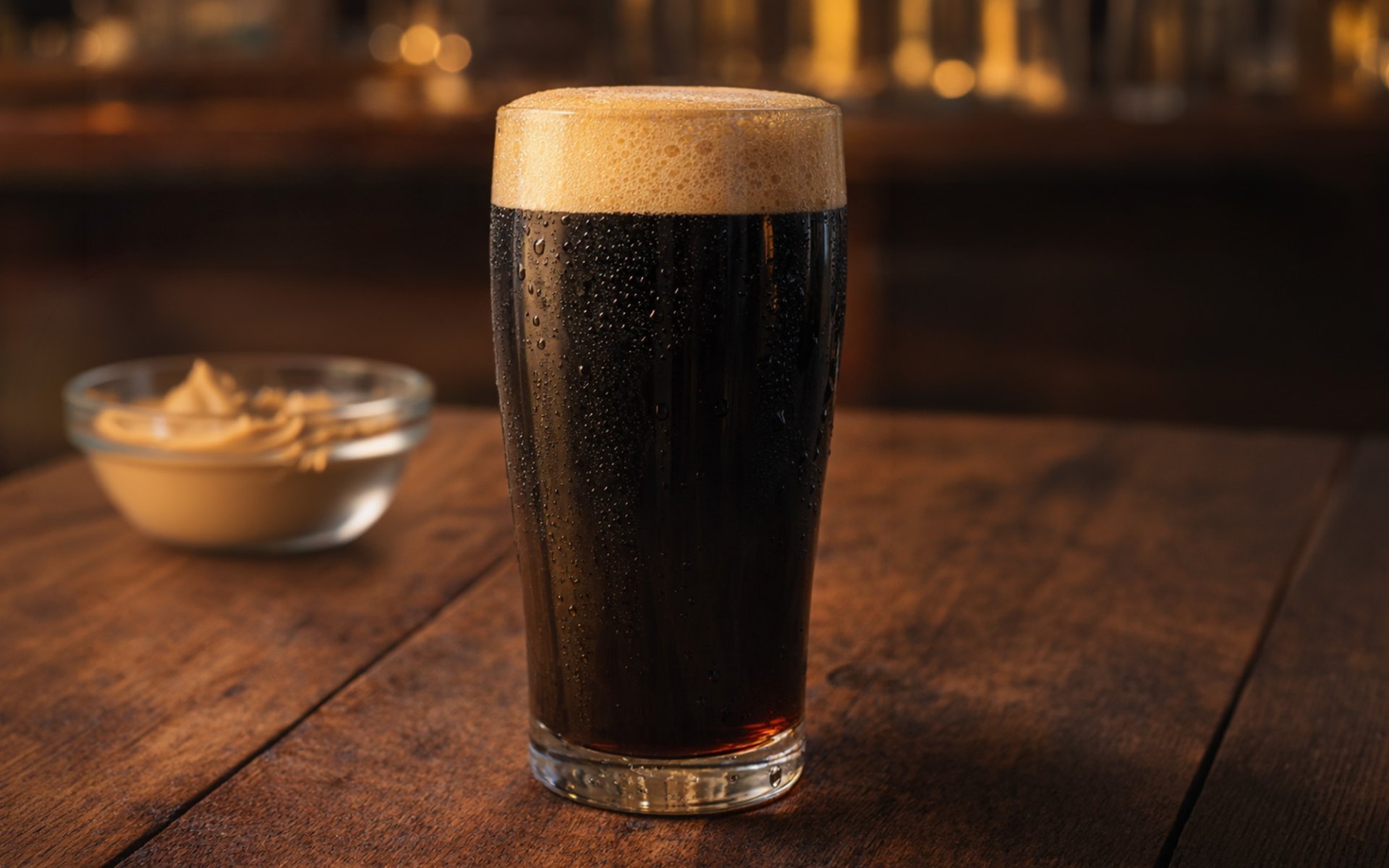
In the world of craft beer—where experimentation and creative flavor innovation are constantly evolving—Peanut Butter Milk Stout has emerged as a surprisingly distinctive style. This “peanut butter stout” has grown into a cultural phenomenon, captivating beer enthusiasts around the world.
This style belongs to the Stout family of dark beers, characterized by its dessert-like sweetness and creamy richness. Its defining feature is the addition of lactose during the brewing process, which enhances the beer’s smooth, velvety mouthfeel.
The flavor profile harmoniously blends the aromatic intensity of roasted peanuts with chocolate notes derived from roasted malts. The result is a beer that resembles peanut butter or a sweet confection more than a traditional stout. It is approachable, not overly bitter, and particularly popular among consumers who appreciate innovative yet well-balanced flavors.
In the late 19th century, the brewing industry was profoundly influenced by scientific advancements—most notably Louis Pasteur’s discovery of yeast’s role in fermentation. This breakthrough revealed that brewing yeast cannot ferment lactose.
This understanding laid the foundation for the development of Milk Stout. Because yeast cannot metabolize lactose, the sugar remains in the finished beer, resulting in a smoother sweetness and a uniquely creamy mouthfeel.
As early as 1875, John Henry Johnson proposed and patented a beer recipe that included barley, hops, lactose (a byproduct of cheese production), and whey. Although Johnson never commercially produced the beer himself, his concept inspired other brewers to explore the potential of incorporating lactose into traditional brewing methods.
As a result, lactose remains in the beer until the final stage of production, contributing gentle sweetness, subtle creamy aromas, and a fuller, smoother body than traditional stouts. This makes Milk Stout especially appealing to drinkers who prefer sweeter, more velvety dark beers.
Peanut butter, deeply embedded in American food culture, plays a central role in this evolution. Statistics indicate that peanut butter is present in approximately 94% of American households. More than just an ingredient, it represents childhood memories—whether in PB&J sandwiches (Peanut Butter & Jam) or iconic treats like Reese’s Peanut Butter Cups.
In the early 2010s, as craft beer continued to expand, breweries began incorporating nostalgic flavors into brewing. This movement gave rise to what became known as “Peanut Butter Beer.”
In 2012, DuClaw Brewing from Maryland launched Sweet Baby Jesus Chocolate Peanut Butter Porter, while Willoughby Brewing Co. from Ohio gained recognition with its Peanut Butter Cup Coffee Porter. These beers demonstrated that consumers were ready to embrace unconventional and dessert-inspired flavor combinations.
The brewery was established by three co-founders: Thomas Vogel (CEO), Dave Mobley, and Troy Smith (Brewmaster). Troy Smith previously served as Brewmaster at Coronado Brewing Company and brought extensive experience in the craft beer industry.
Belching Beaver initially produced a traditional Milk Stout. Troy Smith later introduced the idea of infusing peanut butter flavor into the recipe. The result was Peanut Butter Milk Stout—a beer that, according to Smith, “put the brewery on the map” and elevated Belching Beaver’s reputation within the craft beer world.
By the late 2010s, peanut butter had expanded beyond stout into styles such as Hefeweizen and even IPA. This trend highlights the boundless creativity of the craft beer industry and the growing willingness of consumers to explore bold and unconventional flavors.
This style belongs to the Stout family of dark beers, characterized by its dessert-like sweetness and creamy richness. Its defining feature is the addition of lactose during the brewing process, which enhances the beer’s smooth, velvety mouthfeel.
The flavor profile harmoniously blends the aromatic intensity of roasted peanuts with chocolate notes derived from roasted malts. The result is a beer that resembles peanut butter or a sweet confection more than a traditional stout. It is approachable, not overly bitter, and particularly popular among consumers who appreciate innovative yet well-balanced flavors.
The Origins of Stout and the Development of Milk Stout
Stout evolved from Porter, a beer style that originated in London, England, in the early 1720s. The term “Stout” first appeared in written records in 1677 in the Egerton Manuscripts. Initially, the word referred solely to the strength (alcohol content) of the beer. Stronger versions of Porter were labeled “Stout Porter.” By the mid-19th century, Stout had developed into a distinct beer category with its own identity.In the late 19th century, the brewing industry was profoundly influenced by scientific advancements—most notably Louis Pasteur’s discovery of yeast’s role in fermentation. This breakthrough revealed that brewing yeast cannot ferment lactose.
This understanding laid the foundation for the development of Milk Stout. Because yeast cannot metabolize lactose, the sugar remains in the finished beer, resulting in a smoother sweetness and a uniquely creamy mouthfeel.
As early as 1875, John Henry Johnson proposed and patented a beer recipe that included barley, hops, lactose (a byproduct of cheese production), and whey. Although Johnson never commercially produced the beer himself, his concept inspired other brewers to explore the potential of incorporating lactose into traditional brewing methods.
The Science Behind Milk Stout
The defining element of Milk Stout is the addition of lactose. Lactose is a disaccharide sugar composed of glucose and galactose. Unlike other fermentable sugars used in brewing, lactose cannot be broken down by standard brewing yeast.As a result, lactose remains in the beer until the final stage of production, contributing gentle sweetness, subtle creamy aromas, and a fuller, smoother body than traditional stouts. This makes Milk Stout especially appealing to drinkers who prefer sweeter, more velvety dark beers.
The Rise of Peanut Butter Beer
As the craft beer movement gained rapid momentum in the early 21st century, Milk Stout experienced renewed popularity in the United States. Many small breweries sought distinctive styles that could deliver new and memorable experiences to consumers, leading to a modern revival of the style.Peanut butter, deeply embedded in American food culture, plays a central role in this evolution. Statistics indicate that peanut butter is present in approximately 94% of American households. More than just an ingredient, it represents childhood memories—whether in PB&J sandwiches (Peanut Butter & Jam) or iconic treats like Reese’s Peanut Butter Cups.
In the early 2010s, as craft beer continued to expand, breweries began incorporating nostalgic flavors into brewing. This movement gave rise to what became known as “Peanut Butter Beer.”
In 2012, DuClaw Brewing from Maryland launched Sweet Baby Jesus Chocolate Peanut Butter Porter, while Willoughby Brewing Co. from Ohio gained recognition with its Peanut Butter Cup Coffee Porter. These beers demonstrated that consumers were ready to embrace unconventional and dessert-inspired flavor combinations.
Belching Beaver Brewery: A Pioneer of Peanut Butter Milk Stout
Amid the growing popularity of Peanut Butter Beer, Belching Beaver Brewery—founded in 2012 in San Diego, California—emerged as one of the leading names in this category.The brewery was established by three co-founders: Thomas Vogel (CEO), Dave Mobley, and Troy Smith (Brewmaster). Troy Smith previously served as Brewmaster at Coronado Brewing Company and brought extensive experience in the craft beer industry.
Belching Beaver initially produced a traditional Milk Stout. Troy Smith later introduced the idea of infusing peanut butter flavor into the recipe. The result was Peanut Butter Milk Stout—a beer that, according to Smith, “put the brewery on the map” and elevated Belching Beaver’s reputation within the craft beer world.
Characteristics of Belching Beaver Peanut Butter Milk Stout
- Color : Deep brown, nearly black, with rich brown highlights when held to the light—reflecting the use of high-quality roasted malts.
- Aroma : Roasted peanut notes intertwined with chocolate and coffee aromas, evoking warmth and dessert-like comfort.
- Flavor : Distinct peanut butter character at the forefront, followed by gentle chocolate sweetness and subtle roasted coffee undertones. The flavors are well-balanced without excessive bitterness.
- Mouthfeel : Medium-bodied, smooth, and highly drinkable. Despite being a dark beer, it feels softer and creamier than traditional stouts.
- Alcohol Content : 5.3% ABV—moderate and approachable, suitable for various occasions.
Awards and Industry Recognition
Belching Beaver’s Peanut Butter Milk Stout has earned consistent international recognition, including:- World Beer Championships 2014 – Silver Medal
- World Beer Championships 2015 – Bronze Medal
- Penitentiary Pint Fest 2016 – Favorite Dark Beer & Overall Favorite
- West Coast Craft Can Invitational 2017 – Best In Show & Best New Discovery
- West Coast Craft Can Invitational 2018 – Best In Show Peanut Butter & Best New Discovery
- Los Angeles Beer Competition 2018 – Silver Medal (Specialty Beer)
- Canadian International Beer Awards 2018 – Best of Show (Gold), Gold – Specialty Beers, Gold – Best of U.S.A.
Expanding Beyond Stout
The success of Peanut Butter Milk Stout has inspired breweries across the United States and worldwide to experiment with peanut butter flavors in various beer styles.By the late 2010s, peanut butter had expanded beyond stout into styles such as Hefeweizen and even IPA. This trend highlights the boundless creativity of the craft beer industry and the growing willingness of consumers to explore bold and unconventional flavors.
Tags :
Related Content

Tracing the History of Old Pulteney : An Ancient Single Malt Whisky from Wick on Scotlands Northeast Coast

Tracing the History of Crème de Cassis : The Blackcurrant Liqueur with French Origins