Gut-Friendly Food
Last updated: 23 Feb 2026
The foundation of gut health lies in the balance of microorganisms within the digestive system, collectively known as the microbiome. The microbiome consists of trillions of bacteria, fungi, viruses, and other microorganisms that reside in the human intestines. When the microbiome is diverse and well-balanced, it positively influences overall health. Conversely, an imbalance of gut microorganisms—known as dysbiosis—has been associated with various chronic conditions, including obesity, type 2 diabetes, inflammatory bowel disease, allergies, and even depression.
Gut-friendly foods refer to foods that promote balance and diversity within the gut microbiome
Gut-friendly foods refer to foods that promote balance and diversity within the gut microbiome. These foods are generally categorized into four main groups:
Examples include:
Examples include:
High-fiber foods include legumes, whole grains, vegetables, and fruits. These foods play a crucial role in promoting gut health and supporting long-term microbiome balance.
Polyphenol-rich foods include:
A large-scale study published in Gut (2021), involving 612 older adults from five European countries, found that following a Mediterranean diet for one year significantly increased beneficial gut bacteria, reduced inflammation, and was associated with slower cognitive decline.
Recommended Practices:
Gut-friendly foods refer to foods that promote balance and diversity within the gut microbiome
Gut-friendly foods refer to foods that promote balance and diversity within the gut microbiome. These foods are generally categorized into four main groups:
- Probiotic Foods
- Prebiotic Foods
- High-Fiber Foods
- Polyphenol-Rich Foods
Probiotic Foods
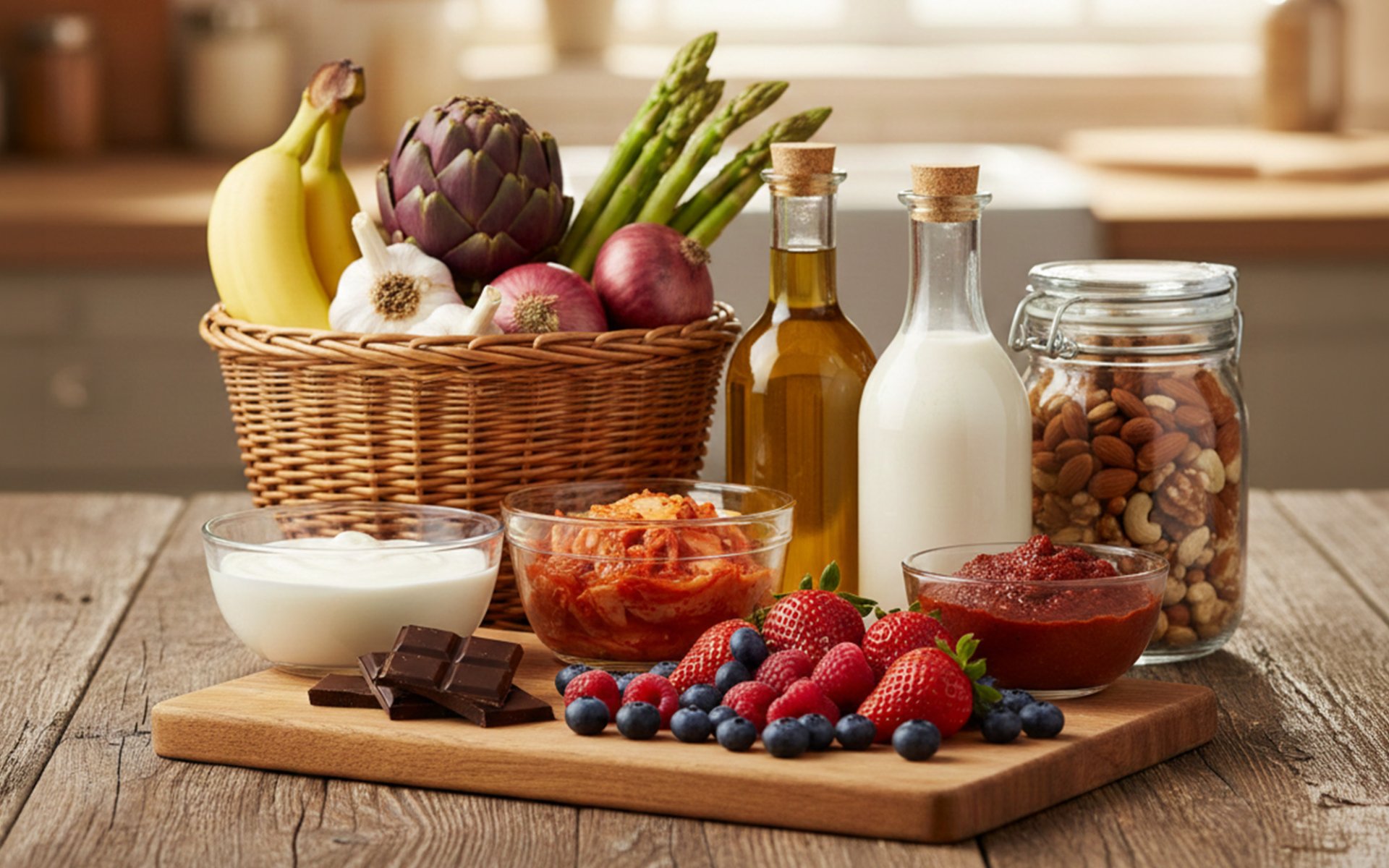
Probiotics are live microorganisms that, when consumed in adequate amounts, provide health benefits to the gut.Examples include:
- Yogurt – A key source of Lactobacillus and Bifidobacterium, which help maintain microbiome balance.
- Kimchi – A traditional Korean fermented vegetable dish rich in Lactobacillus and other beneficial microbes. Research published in the Journal of Medicinal Food reports that kimchi possesses anti-inflammatory properties and may support immune function.
- Miso – A Japanese fermented soybean paste made using Aspergillus oryzae. It contains beneficial enzymes, microorganisms, and notable antioxidant compounds.
- Tempeh – An Indonesian fermented soybean product rich in protein, vitamin B12, and gut-supporting microorganisms that enhance digestion.
- Kefir – A fermented milk beverage containing multiple probiotic strains. Some studies suggest kefir may reduce bloating, diarrhea, and lactose intolerance symptoms.
- Thai Fermented Vegetables – Such as pickled mustard greens and fermented long beans, which undergo natural fermentation and may contain probiotics. However, further research is needed to identify specific strains and quantities.
Prebiotic Foods
Prebiotics are specialized types of dietary fiber that humans cannot digest directly. Instead, they serve as “food” for beneficial gut bacteria.Examples include:
- Garlic and Onions – Rich in inulin and fructooligosaccharides (FOS), which stimulate the growth of Bifidobacterium and may reduce harmful bacteria such as Clostridium.
- Bananas – Especially unripe bananas, which contain resistant starch that acts as a prebiotic and supports the production of short-chain fatty acids like butyric acid—essential for colon cell health.
- Asparagus and Artichokes – Excellent sources of prebiotics. Multiple studies show they significantly increase Lactobacillus and Bifidobacterium populations.
- Oats – Contain beta-glucan, a soluble fiber with prebiotic properties that helps reduce cholesterol, regulate blood sugar, and support microbiome balance.
- Apples – Rich in pectin, a soluble fiber that increases Lactobacillus levels and may reduce inflammation-related bacteria.
High-Fiber Foods
The World Health Organization (WHO) recommends adults consume at least 25–30 grams of dietary fiber per day.High-fiber foods include legumes, whole grains, vegetables, and fruits. These foods play a crucial role in promoting gut health and supporting long-term microbiome balance.
Polyphenol-Rich Foods
Polyphenols are plant compounds known for their antioxidant and anti-inflammatory properties. Research published in the journal Gut Microbes reports that polyphenols help increase microbiome diversity and may inhibit the growth of certain pathogenic bacteria.Polyphenol-rich foods include:
- Dark chocolate
- Green tea
- Berries
- Nuts and seeds
- Extra virgin olive oil
Dietary Guidelines for Better Gut Health
Many nutritionists and gut health experts recommend following a Mediterranean-style diet, which emphasizes vegetables, fruits, whole grains, legumes, fish, and olive oil, while limiting red meat consumption.A large-scale study published in Gut (2021), involving 612 older adults from five European countries, found that following a Mediterranean diet for one year significantly increased beneficial gut bacteria, reduced inflammation, and was associated with slower cognitive decline.
Recommended Practices:
- Embrace Variety – Aim to consume more than 30 different types of fruits and vegetables per week.
- Increase Gradually – Rapidly increasing fiber intake may cause bloating or discomfort. Increase intake gradually and drink sufficient water to allow proper adaptation.
- Eat Seasonally – Seasonal produce is often fresher, more nutrient-dense, cost-effective, and ensures dietary diversity throughout the year.
- Manage Stress – Although not directly food-related, chronic stress affects the microbiome through the gut–brain axis. Regular exercise, adequate sleep, and stress management are essential components of overall gut health.
Tags :
Related Content

Milk for Different Ages: Consuming Milk Appropriately for Each Stage of Life