Chilean Cherries
Last updated: 27 Feb 2026
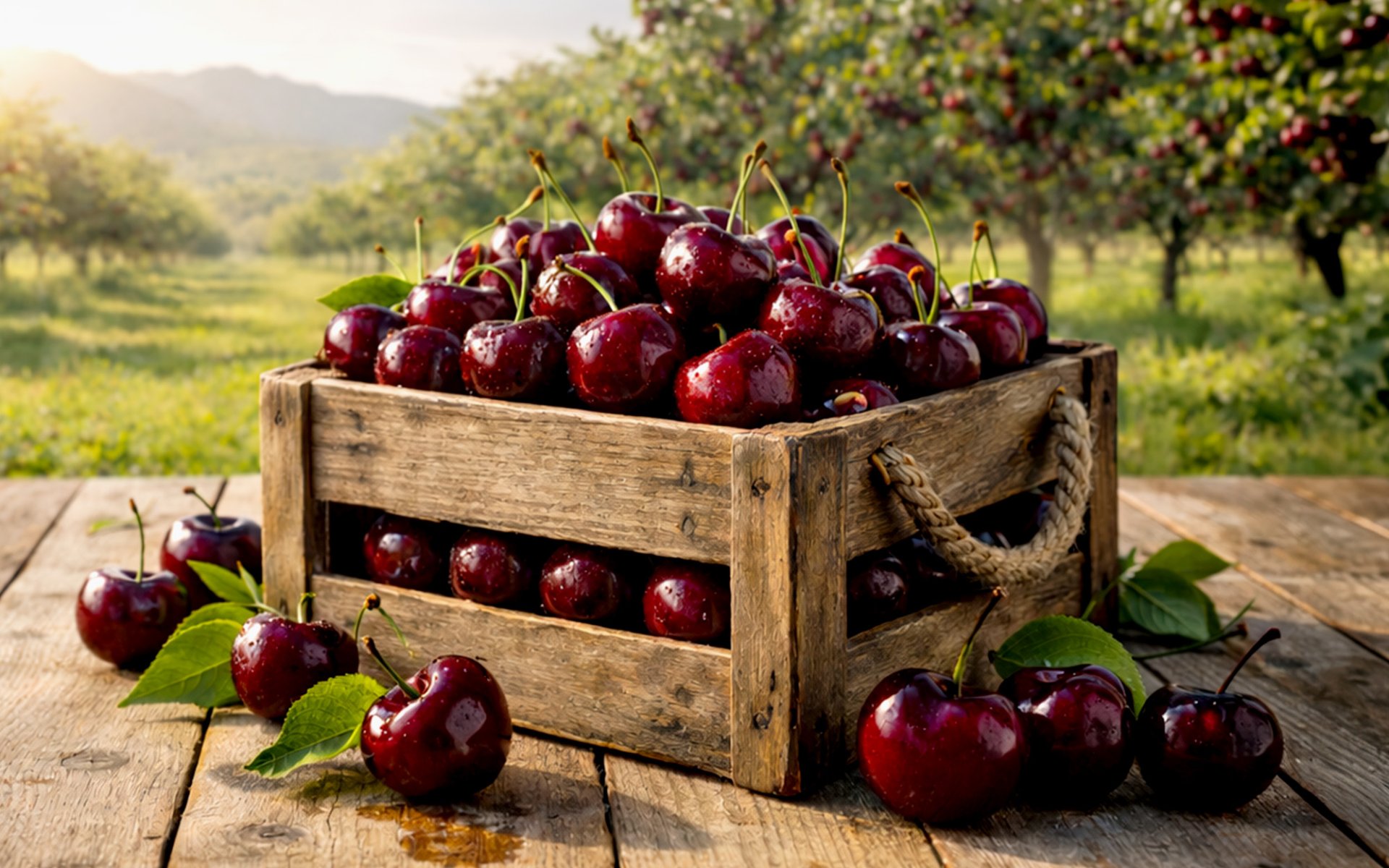
Chilean cherries are among the most renowned and fastest-growing fruit exports in the global market over the past decade. Demand has increased steadily, particularly in Asian markets, where consumption rises significantly during the winter season.
Chile is located along the western coast of South America. The country has a long and narrow geographical formation, stretching alongside the Andes Mountains to the east and the Pacific Ocean to the west. Much of Chile features a Mediterranean climate, which provides highly favorable conditions for cultivating temperate fruits such as cherries.
The cherry industry in Chile began developing seriously in the late 19th century and has expanded rapidly since then. Today, Chile is recognized as the world’s largest exporter of cherries. One of its key advantages lies in its harvest season, which runs from November to January — coinciding with winter in the Northern Hemisphere. This seasonal contrast enables Chile to supply fresh cherries to Europe, North America, and Asia at a time when these regions are unable to produce cherries domestically.
Beyond varietal selection, Chilean growers emphasize internationally standardized orchard management systems. These include precise irrigation control, strategic pruning to enhance light exposure and nutrient distribution, and the use of technology to monitor ripeness and fruit quality before harvest. Such practices ensure consistency in both size and quality.
The entire production process — from cultivation and orchard management to harvesting, sorting, packing, and transportation through cold chain systems — is subject to rigorous quality control at every stage. This comprehensive approach helps preserve freshness, minimize contamination risks, and strengthen global consumer confidence in the cleanliness, safety, and quality of Chilean cherries.
Immediately after harvest, cherries are transferred to cold storage facilities where temperatures are reduced to approximately 0–2°C. This process, known as pre-cooling, slows the fruit’s respiration rate, reduces moisture loss, and effectively extends shelf life.
Before export, cherries undergo grading, quality inspection, and packaging in temperature-controlled containers. They are then transported to international markets by sea and air, utilizing a continuous cold chain system to maintain freshness and quality throughout transit.
Currently, Chile produces more than 400,000 tons of cherries annually and exports them to over 50 countries worldwide. China represents the primary market, accounting for more than 80% of total export volume. This highlights the critical role of Asian markets in driving the growth of Chile’s cherry industry.
Another important compound found in cherries is melatonin, a hormone involved in regulating sleep cycles. Although present in modest amounts, some research suggests that cherry consumption may support sleep quality and help reduce inflammation.
A 100-gram serving of fresh cherries provides approximately 50–63 kilocalories, containing around 12–16 grams of carbohydrates, 1.6–2.1 grams of dietary fiber, approximately 7–10 milligrams of vitamin C, and about 222 milligrams of potassium.
Chile is located along the western coast of South America. The country has a long and narrow geographical formation, stretching alongside the Andes Mountains to the east and the Pacific Ocean to the west. Much of Chile features a Mediterranean climate, which provides highly favorable conditions for cultivating temperate fruits such as cherries.
The cherry industry in Chile began developing seriously in the late 19th century and has expanded rapidly since then. Today, Chile is recognized as the world’s largest exporter of cherries. One of its key advantages lies in its harvest season, which runs from November to January — coinciding with winter in the Northern Hemisphere. This seasonal contrast enables Chile to supply fresh cherries to Europe, North America, and Asia at a time when these regions are unable to produce cherries domestically.
Premium Quality and Popular Varieties
Chilean cherries are internationally recognized for their premium quality, particularly in terms of fruit size, sweetness, color, and firmness. This reputation results from standardized orchard management practices and careful selection of cultivars that meet global market demands. Popular varieties include Bing, Lapins, Regina, and Santina. These varieties typically produce large fruits with diameters of 28 millimeters or more, deep red to nearly black skin, and high sugar content ranging from approximately 16–22%, depending on the cultivar.Beyond varietal selection, Chilean growers emphasize internationally standardized orchard management systems. These include precise irrigation control, strategic pruning to enhance light exposure and nutrient distribution, and the use of technology to monitor ripeness and fruit quality before harvest. Such practices ensure consistency in both size and quality.
International Food Safety Standards and Quality Control
Chilean cherries are produced under internationally recognized food safety standards, including certifications such as GlobalGAP, HACCP, and USDA standards. These certifications cover food safety, hygiene, and traceability requirements, ensuring that cherries meet stringent global quality benchmarks.The entire production process — from cultivation and orchard management to harvesting, sorting, packing, and transportation through cold chain systems — is subject to rigorous quality control at every stage. This comprehensive approach helps preserve freshness, minimize contamination risks, and strengthen global consumer confidence in the cleanliness, safety, and quality of Chilean cherries.
Harvesting and Cold Chain Logistics
Harvesting in Chile begins in late October in the northern regions and continues through March in the southern regions. Cherries are hand-picked by skilled laborers to prevent bruising or damage, which are critical factors affecting quality and market value.Immediately after harvest, cherries are transferred to cold storage facilities where temperatures are reduced to approximately 0–2°C. This process, known as pre-cooling, slows the fruit’s respiration rate, reduces moisture loss, and effectively extends shelf life.
Before export, cherries undergo grading, quality inspection, and packaging in temperature-controlled containers. They are then transported to international markets by sea and air, utilizing a continuous cold chain system to maintain freshness and quality throughout transit.
Currently, Chile produces more than 400,000 tons of cherries annually and exports them to over 50 countries worldwide. China represents the primary market, accounting for more than 80% of total export volume. This highlights the critical role of Asian markets in driving the growth of Chile’s cherry industry.
Nutritional Value of Chilean Cherries
Cherries are highly nutritious fruits, rich in vitamin C, dietary fiber, and important antioxidants — particularly anthocyanins. These compounds give cherries their deep red color and play a role in combating oxidative stress and reducing inflammation in the body.Another important compound found in cherries is melatonin, a hormone involved in regulating sleep cycles. Although present in modest amounts, some research suggests that cherry consumption may support sleep quality and help reduce inflammation.
A 100-gram serving of fresh cherries provides approximately 50–63 kilocalories, containing around 12–16 grams of carbohydrates, 1.6–2.1 grams of dietary fiber, approximately 7–10 milligrams of vitamin C, and about 222 milligrams of potassium.
Tags :
Related Content