Non-ultra Processed Food
Last updated: 2 Mar 2026
Introduction: Rethinking Modern Food Consumption
In today’s fast-paced world, where people live increasingly busy lives and the demand for food continues to grow alongside the global population, large-scale industrial food production—focused on high output and consumer convenience—has become commonplace. However, a significant number of people are becoming more health-conscious and are beginning to pay closer attention to the origins of the food they consume, rather than prioritizing convenience alone.Understanding the NOVA Classification System
To understand non-ultra processed food, it is necessary first to understand the NOVA classification system. This system was introduced in a 2009 publication by Carlos Augusto Monteiro, a researcher at the University of São Paulo, Brazil. Since then, NOVA has been widely recognized and referenced by food-related organizations worldwide, particularly the FAO (Food and Agriculture Organization of the United Nations) and the WHO (World Health Organization).The NOVA system classifies food into four groups, as follows:
Group 1: Unprocessed or Minimally Processed Foods
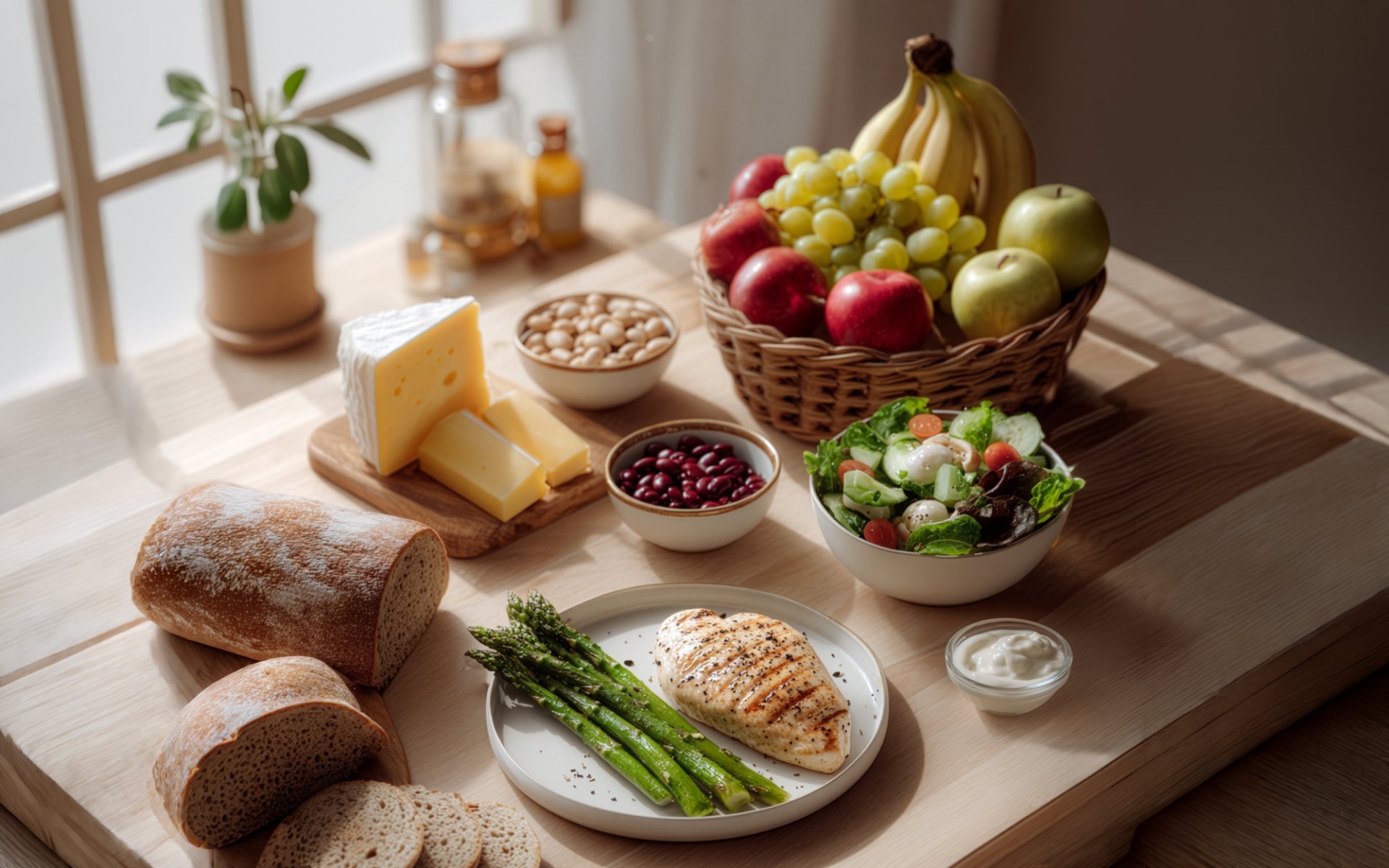
This group includes basic food ingredients such as raw meat, eggs, grains, fresh vegetables and fruits, and fresh milk. These foods have not undergone processing or preservation through the addition of chemical substances or seasonings such as salt, fat, or sugar. However, they may undergo certain physical processes or minimal processing to ensure safety for consumption, such as trimming inedible parts, freezing, or pasteurization.Group 2: Processed Culinary Ingredients
This group refers to substances derived from Group 1 foods through physical processes such as pressing, refining, grinding, milling, or drying. It also includes ingredients obtained from natural sources. Examples include oil, salt, vinegar, sugar, flour, butter, and honey. These ingredients are typically not consumed on their own but are used to prepare, season, or cook other foods.Group 3: Processed Foods
Processed foods are made by adding Group 2 ingredients to Group 1 foods in relatively simple preparations. They generally contain only two or three ingredients and may undergo cooking, non-alcoholic fermentation, bottling, or canning. Chemical preservatives may also be used. Examples include canned pickled vegetables, fruits in syrup, canned fish, as well as freshly made bread and cheese that are not industrially packaged. Although some foods in this group can be consumed directly, they are often used as components in the preparation of other dishes.Group 4: Ultra-Processed Foods
Foods in this group contain only a small proportion of Group 1 ingredients and involve complex combinations of Group 2 ingredients with various chemical additives. These products are typically manufactured in industrial factories. A key characteristic is a long list of ingredients on the label, including many unfamiliar substances that are not commonly used in home cooking like those in Group 2.The result is food with a very long shelf life, flavors that can be easily engineered to meet manufacturers’ preferences, and added substances to enhance appearance and texture. These products often come in the form of ready-to-eat meals, both frozen and shelf-stable, packaged snacks and sweets, soft drinks, breakfast cereals, powdered milk, and instant dietary supplements.
What Does “Non-Ultra Processed Food” Mean?
Therefore, non-ultra processed food refers to foods in Groups 1 through 3. While ultra-processed foods offer convenience—and in some cases, ready-to-eat meals may provide complete nutrition—they may also contain nutrients that are not necessary for consumption. In addition to reducing the intake of natural foods, consumers often receive excessive amounts of fats, sodium, and sugar, which can lead to various health conditions. In particular, these may contribute to non-communicable diseases (NCDs) such as diabetes, hyperlipidemia, and hypertension.Ongoing Debate and Misinterpretations
At present, more people are becoming increasingly interested in healthier dietary approaches. The term “ultra-processed food” has been widely circulated across various media platforms, particularly on the internet, and is sometimes simplified to mean foods containing more than five ingredients.This simplified definition has sparked debate due to its ambiguity, as it may also include freshly prepared homemade dishes that use multiple ingredients in a single recipe. Moreover, it can lead to unnecessary criticism of many industrial food products. The use of salt and sugar for preservation, as well as certain chemical additives, remains necessary in some cases, particularly when it is related to food safety. Conversely, foods that are not ultra-processed can also have negative health effects if consumed in nutritionally imbalanced quantities or if produced under improper hygienic conditions.
Practical Steps Toward a Non-Ultra Processed Diet
For those who wish to follow a non-ultra processed food approach for better health, rather than eliminating ultra-processed foods entirely at once, it is possible to begin by increasing the proportion of meals prepared from fresh ingredients. Attention should be paid to maintaining a balanced diet that includes all five food groups.Cooking at home more frequently can also help control the amount of seasonings used. In addition to gradually limiting ultra-processed food consumption, reading ingredient labels can support informed purchasing decisions by choosing products that have less impact on health. Overall, it is important to monitor appropriate levels of fat, carbohydrates, salt, and sugar intake, while ensuring adequate consumption of protein, dietary fiber, vitamins, and minerals.
Tags :
Related Content

The Art of Chinese Tea Brewing: The Cultural Significance of Tea and Its Connection to Chinese New Year