Protein Obsession
Last updated: 10 Mar 2026
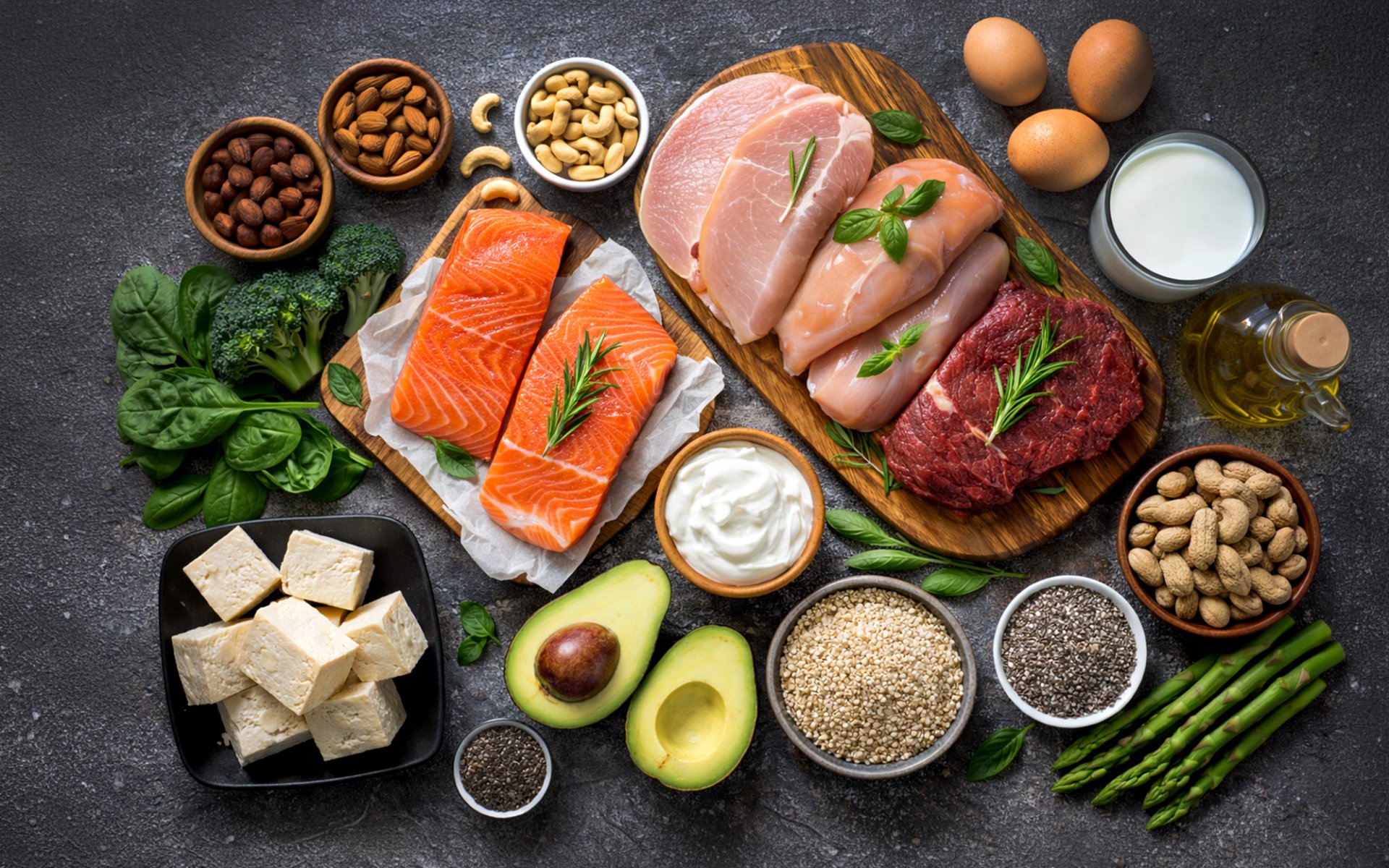
The Rise of High-Protein Foods in the Modern Food Industry
Over the past decade, a wide variety of food products—including milk, yogurt, cereals, beverages, and even snack foods—have been reformulated to contain higher levels of protein. This development reflects the growing demand from consumers who are increasingly prioritizing health, nutrition, and the quality of the foods they consume.This phenomenon reflects a broader social trend that many scholars describe as “Protein Obsession.” The term refers to the increasing emphasis consumers place on consuming high amounts of protein as part of their daily diet. This trend has spread across the globe and has significantly influenced the development of new food products as well as the marketing strategies of the modern food industry.
Protein as an Essential Macronutrient for the Human Body
Protein is one of the essential macronutrients required for human survival. It consists of long chains of amino acids that play critical roles in many biological processes within the body. These include building and repairing muscle tissue, producing enzymes and hormones, supporting immune function, transporting oxygen in the bloodstream, and serving as a secondary source of energy in certain circumstances.The Origins of the Protein Trend
The popularity of protein consumption in modern times partly originates from fitness culture, which began gaining widespread attention during the 1970s and 1980s. During this period, products such as protein shakes and protein powders became popular among bodybuilders and athletes seeking to increase muscle mass.The Expansion of High-Protein Diets in the 2010s
However, the trend expanded beyond the fitness community and entered mainstream society during the 2010s, when dietary patterns such as **low-carbohydrate and high-protein diets—including the Paleo, Atkins, and Keto diets—**became increasingly popular among individuals seeking weight management and healthier eating habits.Today, food products labeled “High Protein” can be found across nearly every category of the food industry. These include milk, yogurt, bread, cereals, pasta, chocolate, and snack foods. This widespread presence reflects the continuously growing demand among consumers for protein-rich products.
The High-Protein Food Trend in Thailand
In Thailand, the trend toward high-protein foods has also grown steadily. Products such as high-protein milk, processed meats marketed for their protein content, and restaurants offering “Protein Bowls” or “Clean Eating” menus have become increasingly popular. These offerings are especially appealing to younger consumers who are more focused on health, fitness, and body composition.Why Protein Continues to Gain Popularity
-
Weight Management Benefits
Protein is the macronutrient that promotes satiety—the feeling of fullness—for the longest period compared to carbohydrates and fats. Consuming protein stimulates the release of hormones associated with fullness, such as PYY and GLP-1, which can help reduce hunger between meals. As a result, individuals seeking to control their weight often prioritize protein intake to help manage appetite.
2. Muscle Maintenance and Growth
In modern society, beauty standards have gradually shifted from emphasizing thinness toward valuing strength and muscular fitness. Because protein plays a crucial role in the development and maintenance of muscle tissue, it has become a key nutrient for individuals seeking to build or preserve muscle mass.
3. Marketing and Social Media Influence
The food and supplement industries have increasingly positioned protein as a lifestyle product. Today, products labeled “High Protein” are widely available across many categories—from dairy products to snack foods—reinforcing the perception that consuming more protein is directly associated with better health.
The Importance of Balanced Protein Consumption
Despite the many health benefits associated with protein, many nutrition experts caution that consuming protein in amounts exceeding the body’s needs does not necessarily provide additional health benefits. In some cases, excessive protein intake may even have negative health implications.Generally, the World Health Organization (WHO) and public health agencies in many countries recommend that the average adult consume approximately 0.8 grams of protein per kilogram of body weight per day.
However, individuals such as athletes, those aiming to build muscle, older adults, or people recovering from illness may require higher protein intake. According to the International Society of Sports Nutrition, these groups may benefit from protein intake levels ranging from 1.2 to 2.0 grams per kilogram of body weight per day.
Recommendations for Appropriate Protein Consumption
Most nutritionists and healthcare professionals recommend the following guidelines for balanced protein intake:1. The general population should consume approximately 0.8–1.0 grams of protein per kilogram of body weight per day, distributed evenly throughout meals.
2. Individuals who exercise regularly or aim to build muscle may require approximately 1.2–1.6 grams per kilogram of body weight per day.
3. Choose a variety of protein sources, including both animal-based and plant-based proteins, to ensure balanced nutrition.
4. Protein supplements are not always necessary if adequate protein can be obtained through natural food sources.
5. Individuals with underlying medical conditions, particularly kidney or liver diseases, should consult a healthcare professional before significantly increasing their protein intake.
Ultimately, while protein remains an essential nutrient for maintaining health, the key lies in balanced and mindful consumption, ensuring that protein intake complements a well-rounded and diverse diet.
Tags :
Related Content

The Art of Chinese Tea Brewing: The Cultural Significance of Tea and Its Connection to Chinese New Year

Milk & Brain Health : The Relationship Between Milk Consumption and Brain Health

The Scientist Behind the Mediterranean Diet: EP.2 Ancel Keys and the Discovery of the Mediterranean Diet