Chardonnay
Last updated: 9 Apr 2026
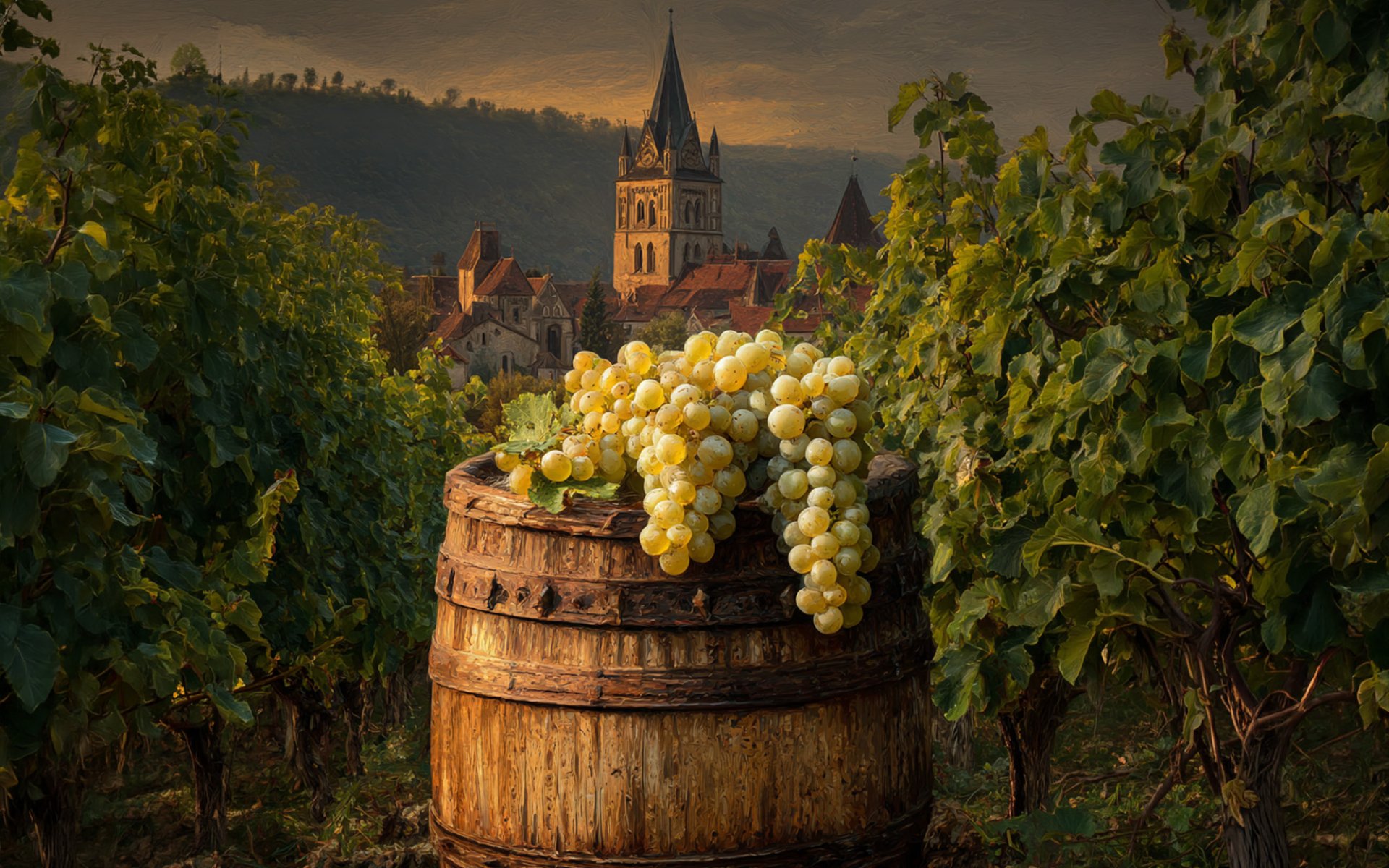
Chardonnay is one of the most widely recognized green grape varieties used in white wine production. It is highly valued for its adaptability to a wide range of climates and terroirs, allowing it to be cultivated and produced in nearly every wine region around the world—including France, Italy, the United States, Australia, Chile, and South Africa.
Chardonnay originated in the Burgundy region of France, one of the oldest and most prestigious wine-producing areas in the world. The name “Chardonnay” is believed to come from a small village called Chardonnay in the Mâconnais sub-region, located in southern Burgundy.
However, in 1999, a team of researchers from the University of California, Davis used DNA profiling techniques to analyze grape varieties and discovered conclusive evidence that Chardonnay is the result of a natural cross between Pinot Noir and Gouais Blanc.
Gouais Blanc is a native grape from Central Europe, believed to have been introduced to France during the Roman era. Historically, it was considered a lower-class grape, and authorities often attempted to ban its cultivation. Despite this, farmers continued to grow it due to its high productivity. Over time, natural cross-pollination with the noble Pinot Noir led to the creation of Chardonnay—later known as the “Queen of White Grapes.”
These monks discovered that limestone and clay-limestone soils were particularly well-suited for cultivating high-quality Chardonnay, contributing to the development of distinctive and refined white wines.
Within Burgundy, Chardonnay became the primary grape for white wine production, especially in key regions:
Champagne made exclusively from Chardonnay is known as “Blanc de Blancs,” characterized by its freshness, floral aromas, white fruit notes, and fine, elegant bubbles.
A pivotal moment in Chardonnay’s history—and in the global wine industry—was the “Judgment of Paris” on May 24, 1976.
Organized by British wine merchant Steven Spurrier, the event was a blind tasting competition between Californian and French wines, judged by nine French wine experts. At the time, it was widely expected that French wines would dominate.
However, the results shocked the wine world when Chateau Montelena Chardonnay 1973 from Napa Valley defeated top French white wines, including those from Meursault and Puligny-Montrachet.
This historic event transformed global perceptions, proving that world-class wines could be produced outside France and opening the door for international recognition of wines from other regions.
One of the key reasons for its global success is its versatility, allowing winemakers to produce a wide range of styles:
Chardonnay originated in the Burgundy region of France, one of the oldest and most prestigious wine-producing areas in the world. The name “Chardonnay” is believed to come from a small village called Chardonnay in the Mâconnais sub-region, located in southern Burgundy.
Origins and Genetic Discovery
In earlier years, historians and wine scholars debated the true origins of Chardonnay. Some theories suggested that it may have originated from Cyprus or even the Middle East, brought back to Europe by Crusaders.However, in 1999, a team of researchers from the University of California, Davis used DNA profiling techniques to analyze grape varieties and discovered conclusive evidence that Chardonnay is the result of a natural cross between Pinot Noir and Gouais Blanc.
Gouais Blanc is a native grape from Central Europe, believed to have been introduced to France during the Roman era. Historically, it was considered a lower-class grape, and authorities often attempted to ban its cultivation. Despite this, farmers continued to grow it due to its high productivity. Over time, natural cross-pollination with the noble Pinot Noir led to the creation of Chardonnay—later known as the “Queen of White Grapes.”
Development in Medieval Burgundy
During the Middle Ages, monastic orders such as the Cistercian and Benedictine monks played a crucial role in advancing viticulture and winemaking. They systematically studied soil composition, slope, sunlight exposure, and microclimates, leading to the development of the “Cru” classification system, which remains the foundation of French wine classification today.These monks discovered that limestone and clay-limestone soils were particularly well-suited for cultivating high-quality Chardonnay, contributing to the development of distinctive and refined white wines.
Rise to Prominence in Burgundy
In the 14th century, the Dukes of Burgundy used wine as a diplomatic tool and symbol of power, further elevating the reputation of Chardonnay.Within Burgundy, Chardonnay became the primary grape for white wine production, especially in key regions:
- Chablis: Known for its cool climate and Kimmeridgian limestone soils rich in fossilized oyster shells. Chardonnay from this region is characterized by high acidity, freshness, and pronounced mineral notes.
- Côte de Beaune: Home to world-renowned wines from Meursault, Puligny-Montrachet, and Chassagne-Montrachet. These wines are complex, often featuring aromas of ripe fruit, butter, and vanilla due to oak aging.
- Mâconnais: Produces more approachable Chardonnay wines with bright flavors, easy drinkability, and excellent value—ideal for beginners.
- Because of its quality and diversity, Burgundy Chardonnay has become the global benchmark for white wine.
Chardonnay in Champagne
Beyond Burgundy, Chardonnay also plays a vital role in the Champagne region, one of the most famous sparkling wine regions in the world. It is one of the three main grape varieties used in Champagne production, alongside Pinot Noir and Pinot Meunier.Champagne made exclusively from Chardonnay is known as “Blanc de Blancs,” characterized by its freshness, floral aromas, white fruit notes, and fine, elegant bubbles.
Global Expansion and the “Judgment of Paris”
During the 19th and 20th centuries, Chardonnay spread beyond Europe, particularly to New World wine regions.A pivotal moment in Chardonnay’s history—and in the global wine industry—was the “Judgment of Paris” on May 24, 1976.
Organized by British wine merchant Steven Spurrier, the event was a blind tasting competition between Californian and French wines, judged by nine French wine experts. At the time, it was widely expected that French wines would dominate.
However, the results shocked the wine world when Chateau Montelena Chardonnay 1973 from Napa Valley defeated top French white wines, including those from Meursault and Puligny-Montrachet.
This historic event transformed global perceptions, proving that world-class wines could be produced outside France and opening the door for international recognition of wines from other regions.
Chardonnay in the Modern World
Following this breakthrough, Chardonnay became one of the most widely planted and popular grape varieties worldwide, thriving in regions such as Australia, New Zealand, South Africa, and Chile.One of the key reasons for its global success is its versatility, allowing winemakers to produce a wide range of styles:
- Unoaked Chardonnay: Fresh and vibrant, with notes of green apple, citrus, and high acidity
- Oaked Chardonnay: Richer and more complex, with flavors of butter, vanilla, and caramel, and a smoother texture
- Malolactic Fermentation: A process that converts malic acid into lactic acid, resulting in a softer mouthfeel and buttery characteristics
- Sparkling Chardonnay: Used in the production of sparkling wines such as Champagne
Tags :
Related Content


Gaspare Campari's Passion for Beverages Leads to a Bright Red Herbal Bitter, Connecting the World Through Classic Cocktails and Art