Norwegian Mackerel
What Is Norwegian Mackerel?
Norwegian Mackerel, commonly known in Thailand as “Norwegian Saba,” is one of Norway’s most renowned seafood resources. It is highly valued for its rich flavor, naturally high fat content, and exceptional nutritional profile, particularly its abundance of omega-3 fatty acids, high-quality protein, vitamin D, and vitamin B12.
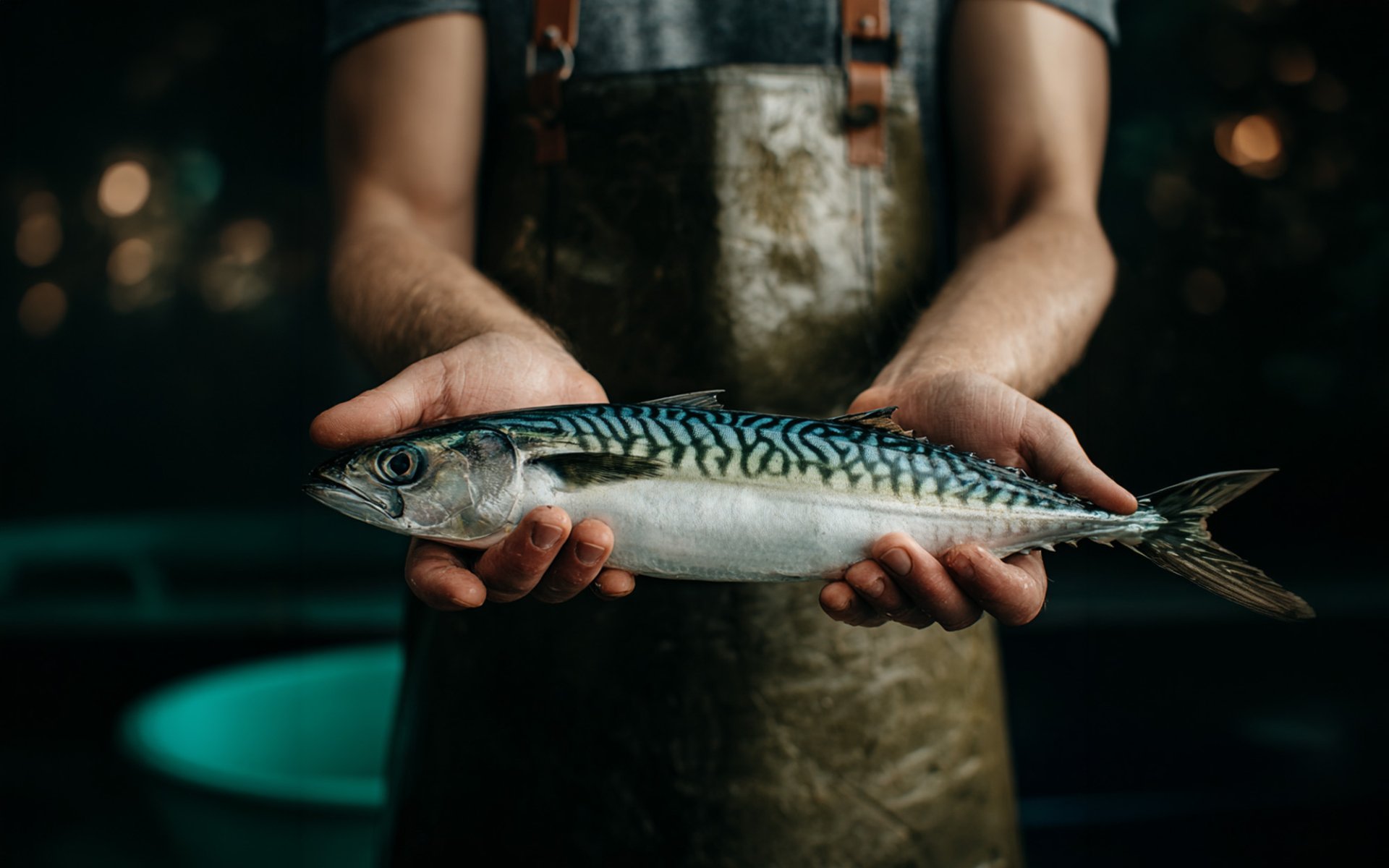
Norwegian Mackerel refers to the Atlantic mackerel species, scientifically known as Scomber scombrus. It is a saltwater fish found throughout the North Atlantic Ocean, including the Norwegian Sea, the North Sea, and the coastal waters of Scandinavia.
This species is a deep-sea schooling fish known for its speed and endurance. Unlike many other fish, mackerel do not possess a swim bladder — the air-filled organ that helps fish maintain buoyancy. As a result, they must continuously swim in order to maintain balance and avoid sinking.
The waters surrounding Norway provide an ideal natural environment for Norwegian Mackerel to thrive. These cold northern seas are exceptionally rich in plankton and small fish, which serve as important food sources for mackerel.
This environment allows the fish to grow slowly and naturally, unlike fish raised or living in warmer waters. The slower growth in cold seas encourages the accumulation of high-quality fat within the flesh, particularly omega-3 fatty acids, which are widely recognized for their benefits to heart health, brain function, and the circulatory system.
The natural fat content is also one of the defining characteristics that makes Norwegian Mackerel stand out in both flavor and texture. The flesh is tender, juicy, and naturally rich, offering a deeper and more flavorful taste compared to mackerel sourced from many other regions around the world.
When grilled or cooked, the fat gently melts into the flesh, creating a distinctive aroma and rich mouthfeel. Its naturally high oil content also helps prevent the fish from drying out during cooking, making it suitable for a wide variety of dishes, including grilling, smoking, baking, and Japanese preparations such as salt-grilled saba and marinated mackerel.
The Norwegian people have maintained a close relationship with the sea for more than 1,000 years. Fishing has therefore long been more than simply a means of survival — it has been an essential part of the culture, lifestyle, and economy of coastal communities since the Viking Age.
In the past, the Viking Age was not only an era of exploration and conquest, but also a period marked by remarkable expertise in fishing and seafood preservation. Vikings developed techniques such as drying, salting, and smoking fish to extend shelf life, allowing seafood to serve as provisions during long sea voyages that often lasted for months.
Over time, these preservation traditions became the foundation of Norway’s modern seafood industry and contributed to the country’s globally recognized expertise in fisheries and seafood processing.
During the 20th century, Norway began modernizing its fishing industry through advancements in fishing vessel technology, refrigeration systems, and maritime transportation. These developments dramatically improved the efficiency of mackerel fishing while raising Norwegian seafood standards to international levels.
Modern fishing vessels were equipped with sonar systems, electronic navigation tools, and fish-detection technologies that enabled fishermen to locate and track mackerel schools with greater accuracy. This significantly reduced both travel time and operational costs.
One widely used fishing method is the “purse seine” technique, designed to surround an entire school of fish before closing the bottom of the net like a drawstring bag. This method helps minimize damage to the fish while also reducing unintended bycatch compared to certain other fishing methods.
Immediately after being caught, the fish are transferred into onboard temperature-controlled systems to preserve freshness, reduce deterioration, and maintain the natural quality of omega-3 fats. This rapid and carefully controlled post-harvest handling process is one of the major reasons Norwegian Mackerel is trusted worldwide for its freshness, quality, and safety.
Another key factor behind the global reputation of Norwegian Mackerel is the seasonal catch known as “Autumn Mackerel.” Between September and November, the fish accumulate large amounts of fat after intensive feeding, causing the fat content to rise to approximately 30%, compared to as little as 3% during other seasons of the year.
Although Norwegian Mackerel originated as a traditional fish of Northern Europe, the market that transformed it into a global product was Japan. In Japan, mackerel is known as “saba” and has long been enjoyed in various forms, including grilled dishes, sushi, sashimi, and canned products. Norway began exporting large quantities of mackerel to Japan during the late 20th century, where it quickly gained widespread popularity.
From a nutritional perspective, approximately 100 grams of Norwegian Mackerel provides around 18.6 grams of high-quality protein containing all essential amino acids required by the body. It is also exceptionally rich in omega-3 fatty acids, particularly EPA and DHA, which play important roles in cardiovascular health, brain function, blood circulation, and nervous system support.
For athletes and health-conscious consumers, the protein and omega-3 content may also support post-exercise recovery, improve physical endurance, and help reduce muscle inflammation after intense activity.
At the same time, the vitamin D, healthy fats, and antioxidant compounds found in Norwegian Mackerel contribute to skin health by supporting skin cell repair and helping maintain moisture from within. This has made the fish increasingly popular among both wellness-focused consumers and those interested in beauty nutrition.
Thanks to its impressive nutritional profile — rich in protein, healthy fats, and essential vitamins — Norwegian Mackerel is now recognized as one of the most nutritionally valuable seafood choices available today, comparable to salmon and widely appreciated as a premium healthy food option.
Today, Norwegian Mackerel has become one of Norway’s most important seafood exports, particularly in Asian markets such as Japan, South Korea, China, and Thailand, where demand for high-quality mackerel continues to grow steadily.