Screw Pepper
Last updated: 15 Jun 2026
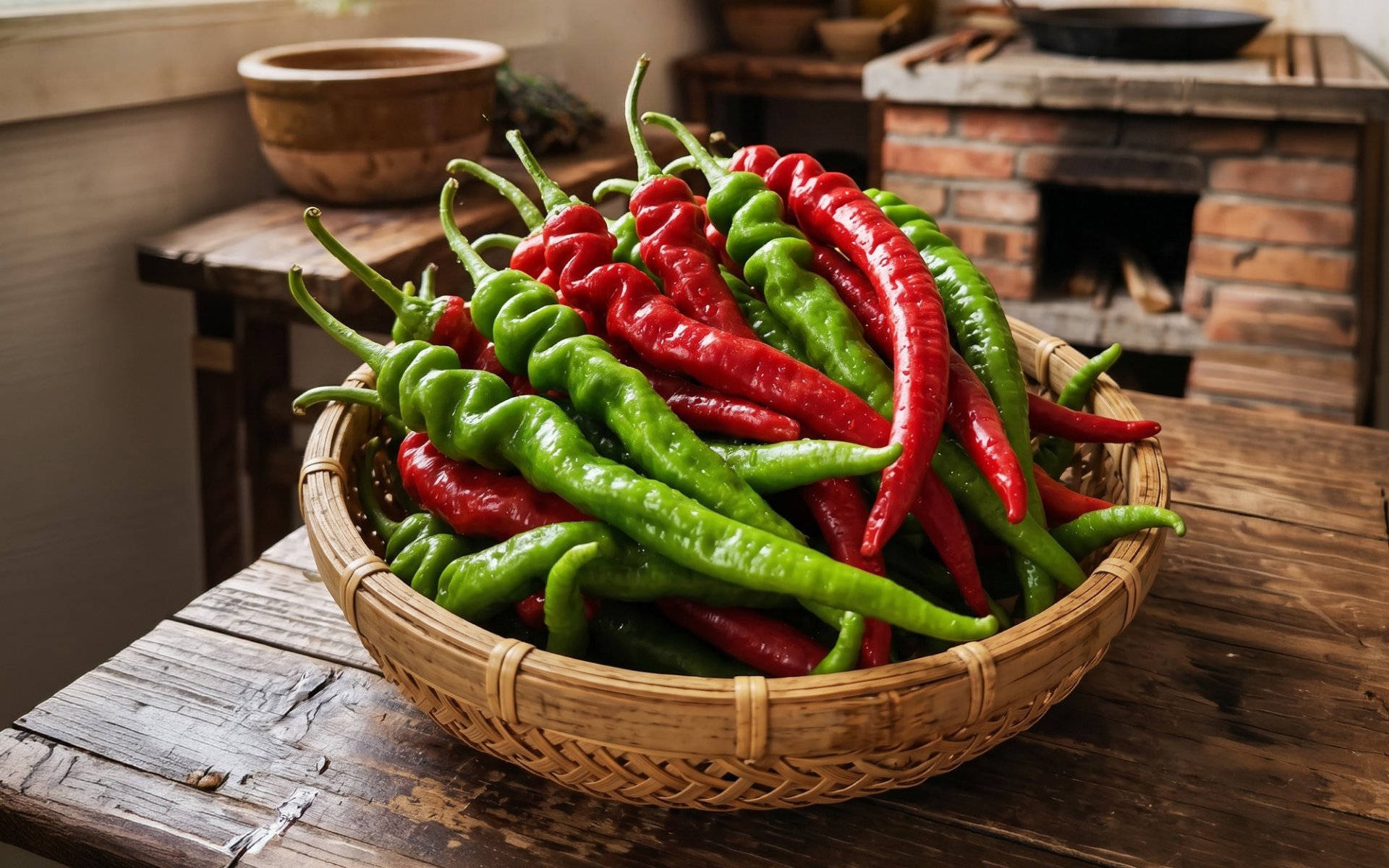
Screw Pepper, known in Thailand as Prik Kliao (พริกเกลียว), is one of the most distinctive chili pepper varieties in the world. Its elongated fruit features a naturally twisted, spiral-like shape that resembles a screw, which is the origin of its name.
Screw Pepper belongs to the species Capsicum annuum, the most widely cultivated chili species in the world. Like many other chili peppers, its ancestral origins can be traced back to Central and South America before spreading across the globe through exploration and trade.
For ancient civilizations such as the Maya, Aztec, and Inca, chili peppers played an important role in daily life. In addition to being a key culinary ingredient, they were also used in traditional medicine and incorporated into various religious rituals and cultural practices.
At that time, however, chili peppers existed only in the New World. It was not until the late 15th century, during the Age of Exploration, that chili peppers were introduced to Europe, Asia, and Africa. Their global spread transformed them into one of the world's most widely cultivated crops and laid the foundation for the development of countless regional varieties, including Screw Pepper.
Historical records suggest that chili peppers first arrived in India before spreading to China and Southeast Asia, including Thailand.
Chili peppers reached China during the late Ming Dynasty, around the 1570s, through maritime trade routes established by Portuguese and Spanish merchants operating in Macau and along China’s eastern coast. The Chinese referred to chilies as “Fan Jiao” (番椒), meaning “foreign pepper,” and “Hai Jiao” (海椒), meaning “sea pepper.”
Initially, chilies were not consumed as food. Instead, they were cultivated as ornamental plants in the gardens of the elite. One of the earliest Chinese records mentioning chili peppers appears in Zunsheng Bajian, a lifestyle and health manual written by Gao Lian in 1591, which described the plant’s white flowers and red fruits as attractive decorative features.
As chili consumption continued to increase over the centuries, Hunan Province emerged as one of the most influential centers of spicy food culture in China. The people of Hunan not only embraced chili peppers in their daily cooking but also developed extensive expertise in cultivation and selective breeding. It was within this environment that the variety now known as Screw Pepper gained prominence.
To prepare this dish, chefs traditionally dry-roast Screw Peppers in a scorching-hot wok without oil, a technique known as dry roasting. Because the peppers have thin skins and moderate moisture content, the intense heat causes the surface to blister and develop dark brown or black patches through the Maillard reaction. This distinctive appearance is known in Chinese culinary circles as the “Tiger-Skin Effect.”
This cooking method does more than enhance visual appeal. It intensifies the pepper’s natural aroma, introduces a subtle smoky character, and reduces the grassy flavors commonly associated with fresh chilies.
The roasted peppers are then stir-fried with thin slices of pork belly, garlic, and seasonings, creating a dish celebrated for its rich flavor, aromatic depth, and satisfying balance between savory and spicy notes.
Today, Screw Pepper is no longer regarded merely as a local ingredient from southern China. It has evolved into a chili variety of considerable economic and cultural importance, consumed year-round and featured in numerous contemporary Chinese dishes.
Its distinctive spiral shape, pleasant crunch, moderate heat, and versatility continue to make Screw Pepper a favorite among chefs and home cooks alike, securing its place as one of the most recognizable chili varieties in modern Chinese cuisine.
What is a Screw Pepper?
Beyond its unique appearance, Screw Pepper is prized for its crisp texture, moderate pungency, and distinctive aroma that enhances a wide variety of dishes. With a heat level ranging from approximately 5,000 to 30,000 Scoville Heat Units (SHU), it offers a balanced spiciness that appeals to many palates, making it increasingly popular in culinary traditions across Asia and beyond.Screw Pepper belongs to the species Capsicum annuum, the most widely cultivated chili species in the world. Like many other chili peppers, its ancestral origins can be traced back to Central and South America before spreading across the globe through exploration and trade.
Ancient Origins in the Americas
Archaeological evidence and botanical studies indicate that indigenous peoples living in present-day Mexico and Peru began cultivating and consuming wild chili peppers between 6,000 and 9,000 years ago.For ancient civilizations such as the Maya, Aztec, and Inca, chili peppers played an important role in daily life. In addition to being a key culinary ingredient, they were also used in traditional medicine and incorporated into various religious rituals and cultural practices.
At that time, however, chili peppers existed only in the New World. It was not until the late 15th century, during the Age of Exploration, that chili peppers were introduced to Europe, Asia, and Africa. Their global spread transformed them into one of the world's most widely cultivated crops and laid the foundation for the development of countless regional varieties, including Screw Pepper.
The Journey to Asia and Ancient China
The introduction of chili peppers to Asia represents one of the most significant events in culinary history. Although chilies were not native to the region, they eventually became an indispensable component of many Asian cuisines.Historical records suggest that chili peppers first arrived in India before spreading to China and Southeast Asia, including Thailand.
Chili peppers reached China during the late Ming Dynasty, around the 1570s, through maritime trade routes established by Portuguese and Spanish merchants operating in Macau and along China’s eastern coast. The Chinese referred to chilies as “Fan Jiao” (番椒), meaning “foreign pepper,” and “Hai Jiao” (海椒), meaning “sea pepper.”
Initially, chilies were not consumed as food. Instead, they were cultivated as ornamental plants in the gardens of the elite. One of the earliest Chinese records mentioning chili peppers appears in Zunsheng Bajian, a lifestyle and health manual written by Gao Lian in 1591, which described the plant’s white flowers and red fruits as attractive decorative features.
The Rise of Chili Culture in Hunan
Over time, however, people began recognizing the culinary potential of chili peppers, particularly in southern and southwestern China. According to traditional Chinese medical beliefs, spicy foods help dispel excess moisture from the body and promote internal balance. As a result, chilies gradually became an important part of local diets.As chili consumption continued to increase over the centuries, Hunan Province emerged as one of the most influential centers of spicy food culture in China. The people of Hunan not only embraced chili peppers in their daily cooking but also developed extensive expertise in cultivation and selective breeding. It was within this environment that the variety now known as Screw Pepper gained prominence.
The Signature Dish: Hunan-Style Stir-Fried Pork
One of the dishes most responsible for popularizing Screw Pepper throughout China is Nongjia Xiaochao Rou (农家小炒肉), or Hunan-style Stir-Fried Pork with Chilies, a beloved rural dish widely regarded as one of the defining representatives of Hunan cuisine.To prepare this dish, chefs traditionally dry-roast Screw Peppers in a scorching-hot wok without oil, a technique known as dry roasting. Because the peppers have thin skins and moderate moisture content, the intense heat causes the surface to blister and develop dark brown or black patches through the Maillard reaction. This distinctive appearance is known in Chinese culinary circles as the “Tiger-Skin Effect.”
This cooking method does more than enhance visual appeal. It intensifies the pepper’s natural aroma, introduces a subtle smoky character, and reduces the grassy flavors commonly associated with fresh chilies.
The roasted peppers are then stir-fried with thin slices of pork belly, garlic, and seasonings, creating a dish celebrated for its rich flavor, aromatic depth, and satisfying balance between savory and spicy notes.
A Culinary Staple and Economic Powerhouse
As the popularity of this dish spread across China, demand for Screw Pepper increased significantly. What began as a regional ingredient in Hunan eventually became an important agricultural crop cultivated in other provinces such as Guizhou, Shandong, Henan, and Shaanxi to meet growing market demand.Today, Screw Pepper is no longer regarded merely as a local ingredient from southern China. It has evolved into a chili variety of considerable economic and cultural importance, consumed year-round and featured in numerous contemporary Chinese dishes.
Its distinctive spiral shape, pleasant crunch, moderate heat, and versatility continue to make Screw Pepper a favorite among chefs and home cooks alike, securing its place as one of the most recognizable chili varieties in modern Chinese cuisine.
Tags :
Related Content


Discovering Fattoush The Lebanese Salad Ranked Among the Top Ten Best Salads in the World in 2023