Bovril”
Last updated: 15 Jun 2026
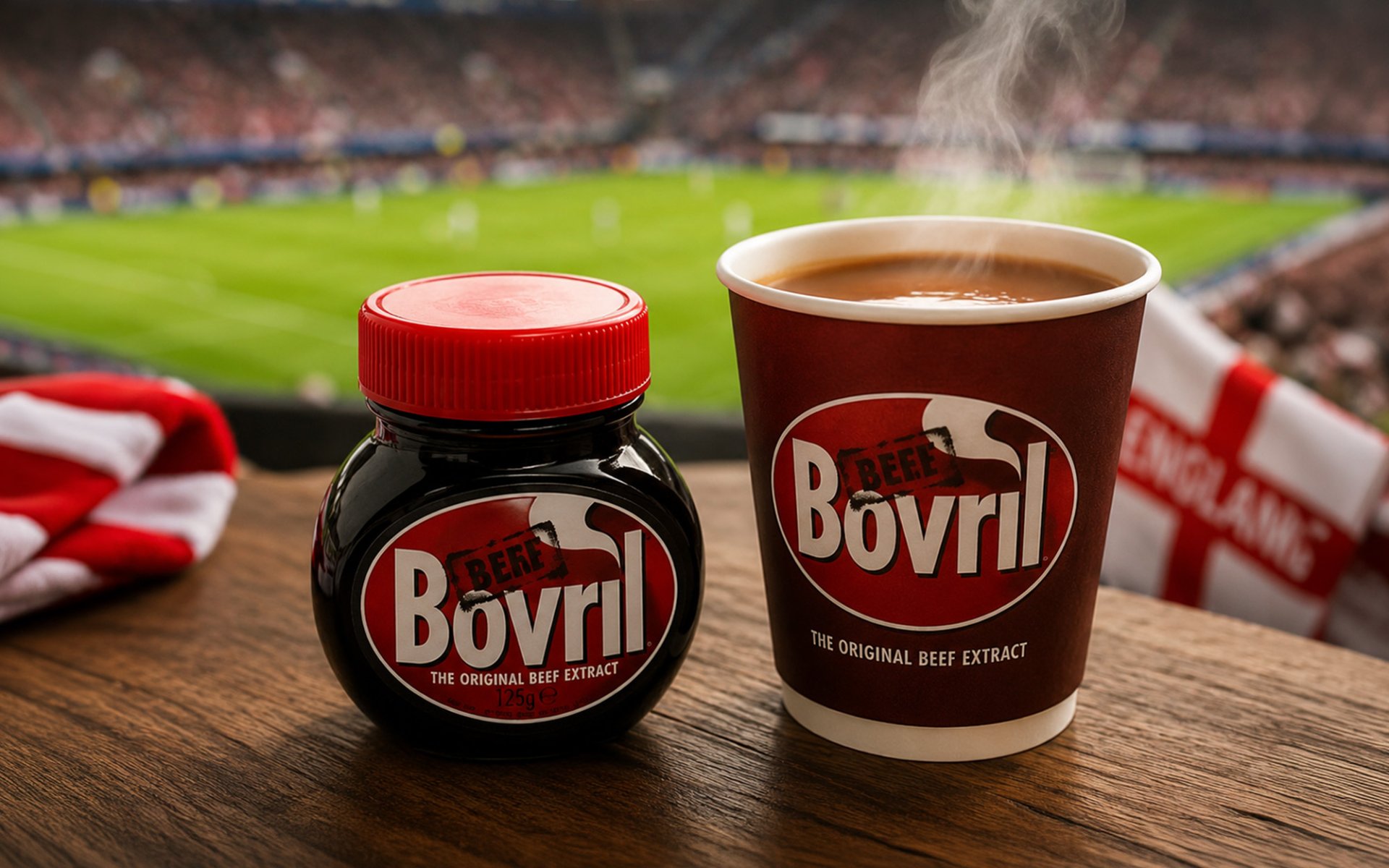
Bovril is a concentrated beef extract paste distinguished by its dark brown color, thick texture, and rich savory flavor. Combining a pronounced saltiness with deep umami notes, it can be enjoyed in a variety of ways—spread on toast, dissolved in hot water to create a nourishing drink or soup, or used as an ingredient and seasoning to enhance the flavor of countless dishes.
However, sourcing and transporting fresh meat in large quantities presented a major challenge. Refrigeration technology and modern transportation systems did not yet exist, making fresh meat highly susceptible to spoilage during storage and transit.
To address this problem, the French military turned to John Lawson Johnston, a Scottish meat merchant who had emigrated to Canada. Drawing upon his extensive experience in the meat industry, Johnston sought to create a beef product that could be transported easily, stored for long periods, and retain its nutritional value.
He experimented with extracting beef into a concentrated liquid rich in nutrients. His early production process involved combining albumin, a key protein found in blood plasma, with beef that had been dried, defatted, and finely ground. The mixture was then processed into a concentrated paste. Johnston initially named his invention “Johnston’s Fluid Beef.”
This product represented a significant advancement in food preservation technology for its time. Not only did it solve many of the logistical challenges associated with transporting meat, but it also laid the foundation for a new category of meat-based food products.
During this period, he decided to rebrand the product with a name that would be more memorable and powerful. The result was “Bovril.”
The name combines the word “Bovine,” meaning cattle or cow, with “Vril,” a mysterious source of energy featured in the popular Victorian science-fiction novel The Coming Race (1871) by Edward Bulwer-Lytton.
The name reflected Johnston’s marketing vision: to position Bovril as a concentrated source of strength, energy, and nourishment capable of restoring vitality and endurance.
Thanks to its high nutritional value, portability, and ability to provide warmth when mixed with hot water, Bovril soon became a staple ration for British soldiers and explorers.
Its importance grew even further during World War II, when Britain experienced strict food rationing. With meat and many other food ingredients in short supply, Bovril became a valuable household staple.
People commonly spread it on bread or used it to enrich soups, stews, and other dishes, helping to add flavor and depth at a time when meat was scarce. For many families, Bovril served as a practical way to recreate the comforting taste of beef during difficult years.
For much of the twentieth century—and continuing into the present day—attending football matches during the British winter has meant enduring cold temperatures and strong winds. Rather than purchasing tea or coffee during halftime, many football supporters traditionally opted for a hot cup of Bovril.
Holding a steaming cup of Bovril while watching a match in freezing weather became an iconic part of the British football experience and remains a cherished tradition for many fans today.
The brand changed hands several times over the following decades before ultimately becoming part of Unilever in 2001 through its acquisition of Bestfoods.
As a result of the crisis, many countries imposed restrictions on British beef imports. In response, Unilever made the controversial decision in 2004 to remove beef from Bovril’s recipe and reformulate the product using yeast extract as its primary ingredient.
The change sparked considerable criticism from British consumers. Many felt that Bovril’s identity was inseparable from its beef origins and that the new formulation lacked the distinctive flavor and character that had defined the brand for more than a century.
As sales declined and restrictions on British beef gradually eased, the company reversed course. In 2006, beef was reintroduced into the recipe, bringing the product closer to its traditional formulation and restoring consumer confidence.
This episode became an important lesson in brand management, demonstrating that while companies must adapt to changing regulations and economic conditions, preserving a brand’s heritage and meeting consumer expectations remain equally important.
Whether enjoyed as a warming drink on a cold winter day, spread on toast, or used to add depth and richness to home-cooked meals, Bovril stands as a testament to British food heritage and the enduring appeal of simple, comforting flavors.
The Origins of Bovril: A Solution for the Franco-Prussian War
The story of Bovril began in the 1870s during the Franco-Prussian War. At the time, the French military required vast quantities of food supplies to support hundreds of thousands of soldiers, particularly beef, which served as an important source of energy and protein.However, sourcing and transporting fresh meat in large quantities presented a major challenge. Refrigeration technology and modern transportation systems did not yet exist, making fresh meat highly susceptible to spoilage during storage and transit.
To address this problem, the French military turned to John Lawson Johnston, a Scottish meat merchant who had emigrated to Canada. Drawing upon his extensive experience in the meat industry, Johnston sought to create a beef product that could be transported easily, stored for long periods, and retain its nutritional value.
He experimented with extracting beef into a concentrated liquid rich in nutrients. His early production process involved combining albumin, a key protein found in blood plasma, with beef that had been dried, defatted, and finely ground. The mixture was then processed into a concentrated paste. Johnston initially named his invention “Johnston’s Fluid Beef.”
This product represented a significant advancement in food preservation technology for its time. Not only did it solve many of the logistical challenges associated with transporting meat, but it also laid the foundation for a new category of meat-based food products.
The Birth of the Bovril Brand and Its Sci-Fi Inspiration
In 1884, Johnston returned to the United Kingdom to commercialize his product on a larger scale. He established a company and expanded production and distribution throughout Britain.During this period, he decided to rebrand the product with a name that would be more memorable and powerful. The result was “Bovril.”
The name combines the word “Bovine,” meaning cattle or cow, with “Vril,” a mysterious source of energy featured in the popular Victorian science-fiction novel The Coming Race (1871) by Edward Bulwer-Lytton.
The name reflected Johnston’s marketing vision: to position Bovril as a concentrated source of strength, energy, and nourishment capable of restoring vitality and endurance.
Thanks to its high nutritional value, portability, and ability to provide warmth when mixed with hot water, Bovril soon became a staple ration for British soldiers and explorers.
Bovril During the World Wars: A Vital Ration
During World War I, Bovril gained widespread recognition as a vital wartime food. It was distributed to soldiers on the front lines because it was easy to carry, had a long shelf life, and could be prepared quickly.Its importance grew even further during World War II, when Britain experienced strict food rationing. With meat and many other food ingredients in short supply, Bovril became a valuable household staple.
People commonly spread it on bread or used it to enrich soups, stews, and other dishes, helping to add flavor and depth at a time when meat was scarce. For many families, Bovril served as a practical way to recreate the comforting taste of beef during difficult years.
A Place in British Popular Culture : The Football Tradition
Beyond its wartime significance, Bovril gradually became woven into everyday British life and popular culture, particularly within the country's football tradition.For much of the twentieth century—and continuing into the present day—attending football matches during the British winter has meant enduring cold temperatures and strong winds. Rather than purchasing tea or coffee during halftime, many football supporters traditionally opted for a hot cup of Bovril.
Holding a steaming cup of Bovril while watching a match in freezing weather became an iconic part of the British football experience and remains a cherished tradition for many fans today.
Changes in Ownership and Brand Evolution
Following Johnston’s death in 1900, the company continued to grow under new management. In 1971, Bovril was acquired by Cavenham Foods, one of Britain's leading food groups.The brand changed hands several times over the following decades before ultimately becoming part of Unilever in 2001 through its acquisition of Bestfoods.
The BSE Crisis and a Controversial Recipe Change
One of the most significant moments in Bovril’s history occurred in the early 2000s, when Britain’s beef industry was severely affected by the outbreak of Bovine Spongiform Encephalopathy (BSE), commonly known as “mad cow disease.”As a result of the crisis, many countries imposed restrictions on British beef imports. In response, Unilever made the controversial decision in 2004 to remove beef from Bovril’s recipe and reformulate the product using yeast extract as its primary ingredient.
The change sparked considerable criticism from British consumers. Many felt that Bovril’s identity was inseparable from its beef origins and that the new formulation lacked the distinctive flavor and character that had defined the brand for more than a century.
As sales declined and restrictions on British beef gradually eased, the company reversed course. In 2006, beef was reintroduced into the recipe, bringing the product closer to its traditional formulation and restoring consumer confidence.
This episode became an important lesson in brand management, demonstrating that while companies must adapt to changing regulations and economic conditions, preserving a brand’s heritage and meeting consumer expectations remain equally important.
Bovril Today : A Timeless British Staple
Today, Bovril continues to be recognized as one of the United Kingdom’s most iconic and influential food brands. With a history spanning more than 140 years, it remains a beloved household staple that bridges generations of British consumers.Whether enjoyed as a warming drink on a cold winter day, spread on toast, or used to add depth and richness to home-cooked meals, Bovril stands as a testament to British food heritage and the enduring appeal of simple, comforting flavors.
Tags :
Related Content

Introducing "Magners" The Famous Cider Brand from Ireland, Pioneering the "Cider Over Ice" Trend!

Discovering Lotte (롯데) South Koreas Global Conglomerate Renowned for Confectionery, Beverages, and Retail